
Archive for April, 2013


Sony Vaio Laptop Hinge Broken

Tuesday, April 23rd, 2013

Sony Vaio Laptop Hinge Broken - Computer Repair

Are you worried about the well-being of the hinge on your Sony Vaio laptop? Is your Sony Vaio laptop hinge broken? The small compact parts that make laptops easy to transport are the same factors that make them vulnerable to problems, such as the screen hinge.  Everything can be working perfectly with your computer internally, but if your hinge breaks, you may not be able to use your Sony Vaio at all, so it is important for you to be careful with your computer as you transport it.  It is also important to pay attention to the warning signs that can help you catch hinge deterioration before it becomes a more serious problem.

Is Your Sony Vaio Laptop Hinge Broken?

Here are some of the red flags that might help you catch potential issues with your laptop’s hinge before they become too serious:

·      Your Vaio screen seems like it is struggling to support its own weight.

·      Your Vaio laptop doesn’t shut properly.

·      Your Vaio screen makes a squeaking or grinding sound when you open or shut it.

·      It has become difficult for your to open or shut your Vaio laptop.

All of these red flags indicate that your Sony Vaio’s hinge may be breaking or broken.  Check Sony’s Warranty Information Page to see if you are covered, and in the meantime, be very careful when you open and close your Sony Vaio Laptop.

Need Help With Your Sony Vaio?

If your hinge is not covered under Sony’s warranty or if you need urgent help repairing your Sony Vaio laptop hinge, TalkLocal can help connect you to high-quality computer repair professionals in real time. We’ll have you speaking with up to three professionals in your area in just minutes.
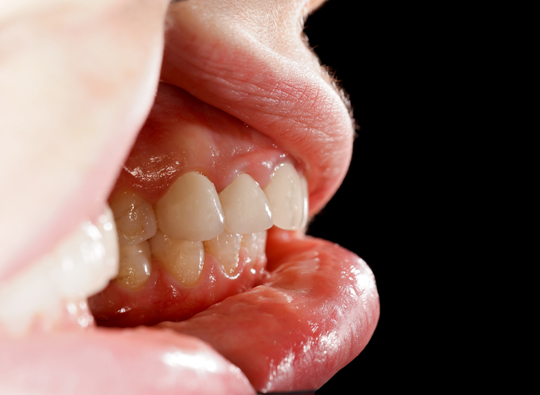

Why Do My Gums Bleed When I Floss?

Tuesday, April 23rd, 2013

Why Do My Gums Bleed When I Floss? - Dentists

You know flossing is good for your teeth, but sometimes it is hard to find the motivation to actually do it. A lot of people say they feel like their gums bleed more when they floss than when they don’t.

They find themselves asking questions like: Why do my gums bleed when I floss? How can I make it go away? And they end up deciding to stop the flossing all together. This is actually the opposite of what you should do.

Wondering: Why do my gums bleed when I floss? You should also ask yourself:

Do I floss regularly?

If your answer is “no,” then that’s probably the exact reason why your gums bleed when flossing. Although it might not seem to make sense, your gums bleed more when you first begin flossing. This is because you’ve probably got some plaque and tartar built up in your mouth.

This build up causes your gums to become extra sensitive. If you continue flossing, you will remove that build up and your gums will become as strong as they were before.

Do I bleed or feel pain in one specific area?

If so, your bleeding gums may be the result of an infection, either in a tooth or in your gums. Having an infection means you need to see a dental health professional immediately. That way, you can have the infection healed or removed, depending on how bad it is, and then get back to brushing and flossing.

Have I experienced any hormonal changes lately?

Pregnancy and certain medicines that cause a serious change in hormones can actually make your gums bleed when you brush and floss. The hormone changes cause your gums to become more sensitive than usual, which leads to the bleeding. You want to discuss this with your doctor or dental health professional.

Locate A Reliable Dentist In Your Area

As long as you are brushing and flossing regularly, you will avoid plaque and tartar build up, which means your gums will stay strong and avoid bleeding. If you are having issues or have more questions, TalkLocal can connect you with a local professional who can help. All you have to do is answer a few questions and qualified dentists will contact you in a matter of minutes.

What Are The Different Grades Of Paper?

Monday, April 22nd, 2013

What Are The Different Grades Of Paper - Garbage Removal

If you are considering the idea of recycling more of your waste, you may be asking yourself “What are the different grades of paper?” It is important to be able to recognize these different grades of paper so that you can separate non-recyclable material from recyclable waste. The following are the five basic grades of recyclable paper.

1. Old Newspapers (ONP): These will often be recycled back into paper for news content or for paperboard and tissue.

2. Old Corrugated Containers (OCC): This type is also known as corrugated cardboard and will be turned into shipping boxes or paperboard for products like cereal.

3. High Grade Deinked Paper: This category is made up of paper that has gone through the printing process. This includes printed paper, letterheads, envelopes and paper scraps that have gone through the printer. In order to be recycled, it must first be deinked so that it can be turned into printing and writing papers and tissue.

4. Pulp Substitutes: You won’t have this type of paper lying around your home. These are the shavings and scraps left over at paper mills. Paper mills can often use these instead of fresh pulp to create their high-grade papers.

5. Mixed: This category is fairly broad. Pieces of paper that are included in the category include: mail, paperboard, telephone books, catalogs and magazines. These types of paper can be used in the production of paperboard and tissue or as a secondary fiber in producing new paper. In addition, mixed recyclable paper can be used as a raw material in non-paper products, like molded pulp, gypsum wallboard, roofing felt, chipboard, and egg cartons.

Ask The Experts

If you have any doubt about what paper products can be recycled, contact a professional. He or she probably won’t even have to look up the answer to your question “What are the different grades of paper?” TalkLocal can put you in touch with a qualified garbage removal professional in your area for free — right now!

How to Get Scratches Out Of Car Paint

Monday, April 22nd, 2013

How to Get Scratches Out Of Car Paint - Auto Repair

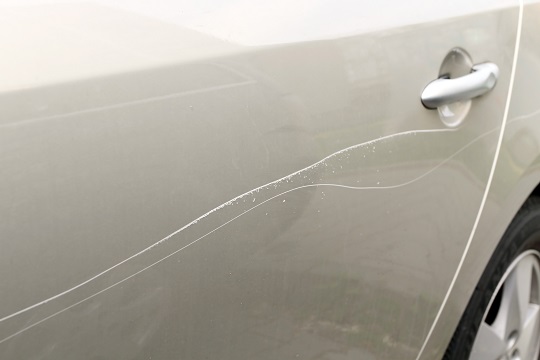
A feeling of horror overcomes us when there is a scratch on our new car. It may be the result of a wandering grocery cart or another driver who has scraped by in passing. Fortunately, some scratches can usually be removed without a trip to the car shop. Read below for multiple methods for how to get scratches out of car paint.

Small Scratches

Scratches as small as a pencil eraser can be removed by a paint pen. A paint pen is a specially made pen that can apply paint to metal, pottery, wood rubber, glass, plastic, and stone surfaces. Paint pens can be bought at your local retailer or craft store for less than seven dollars. To fix your scratch with a paint pen:

1. Clean the scratched area with soapy water, and then with a wax and grease remover.

2. Apply several coats of paint with the pen, allowing it to dry completely between each coat.

3. Use Cleancoat over the newly-painted area.

Normal Scratches

Scratches such as key scratches need a little more elbow grease and equipment to be removed.

You will need: shoe polish, 2000-grit wet/dry sandpaper, rubbing compound, oscillating polisher, and car wax. The polisher can be found for less than 50 dollars. To remove scratches:

1. Clean the scratched area with soapy water, and then with a wax and grease remover.

2. Use shoe polish on the area so the scratch can be seen completely.

3. Place 2000-grit wet/dry sandpaper on a sanding block.

4. Put the sandpaper into cold water mixed with detergent so the sandpaper is less abrasive to the surface.

5. Lightly sand the scratch until it is not visible.

6. Apply the rubbing compound to the area.

7. Polish the area with polisher. Be careful not to polish through to the next layer of paint.

8. Hand buff the area and apply car wax.

Get Your Car Looking Like New Again

If you are looking for an auto shop, use TalkLocal. TalkLocal can find you the best auto repair shop in your area, so you can get that scratch removed as soon as possible.

Install Windows On Chromebook

Monday, April 22nd, 2013

Install Windows On Chromebook - Computer Repair

If you bought a Chromebook, you might not be happy with the operating system. Windows 8, the newest Windows Operating System, is quite different from the Chrome Operating System. The Chrome OS is heavily reliant on the Internet and works mostly through a cloud system, whereas storage through Windows 8 is probably more familiar to you.

Windows 8 has reportedly improved all of the installation problems and other bugs stemming from Windows 7. If you are feeling like you may prefer Windows 8, you might want to install Windows on Chromebook.

Although it is possible, it is not easy to install Windows on Chromebook. You will need to follow some very specific steps.

1. Hack your BIOS settings. This is incredibly difficult to complete. You have to open your Chromebook, meaning you have to remove the 12 screws in the bottom and  wrap some electrical tape around the BIOS to stop the protection activity, thus allowing you to hack into your BIOS settings.  After you have done that, you can remove boot loader settings. To do this, hit F4 and change the sequence.

2. Flash new BIOS. This also needs to be done carefully to avoid damaging the Chromebook.

3. After hacking the BIOS settings and flashing new BIOS settings, you can install Windows 8. You will need to have the Windows 8 Operating System stored on a flash drive. You would not be able to use an external CD-Rom drive since Chromebooks do not come equipped with a CD drive. After this, all you need to do is follow the installation instructions.

Although this is only a three-step process, it is still a very intricate process. Windows 8 was not intended to be used on Chromebooks, which is why you have to hack your own BIOS settings very carefully.

Find Someone Who Knows What They’re Doing

It is possible to use Windows 8, but you may prefer professional help to insure your Chromebook’s safety. If so, let a trained professional help you. TalkLocal can connect you with the professionals in your area who know how to get your computer up and running in no time.

Roof Insulation Types

Monday, April 22nd, 2013

Roof Insulation Types - Roofers

Your roof is one of the most important areas of your house to insulate. A well-insulated roof can save you money on heating bills during the winter and cooling bills during the summer.  There are many roof insulation types, and they each perform differently depending on the conditions, so you will need to choose the right type for your house.  There are three general types of roofing insulation to consider: Batt, blown, and sprayed insulation.

Batt Insulation

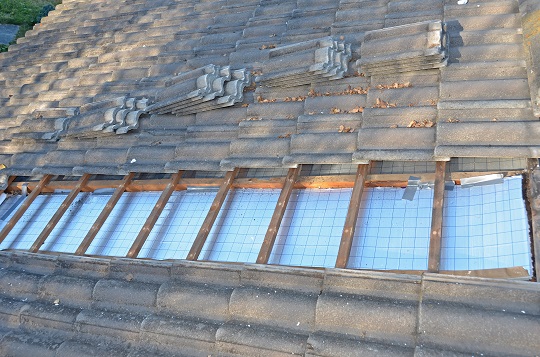
Batt insulation (pictured above) is packaged in large rolls and made of either fiberglass or cotton that is commonly used to insulate home roofs and ceilings.  While Batt insulation is usually the cheapest, the quality does not measure up to other types of insulation. Insulation works the best when it can completely fill the cavity of your roof so no heat can escape.  Batt insulation needs to be cut into the specific shapes of your roofing and has to compete with all sorts of wiring, junction boxes, and exhaust fans, making it difficult to insulate effectively.

Blown Insulation

Blown insulation usually consists of small particles of fiberglass or cellulose that is installed by spraying it into your attic through a hose.  These small pieces can fit snugly into almost all of the spaces in the attic, ensuring that all cavities will be filled effectively.  Fiberglass, while a little more expensive, is lighter than cellulose and stands up well against moisture.  If you live in a wet climate and expect a lot of moisture on your roof, avoid cellulose; it will rot out easily since it is made from shredded newspapers.

Sprayed Insulation

Spray foam is also a very common type of insulation. The major advantage of spray foam is that it you can apply it directly to the roof line, rather than leaving it on the attic floor like with blown insulation.  Spray foam insulation will stick to the roof and offer reliable insulation, and is also necessary if you have your HVAC system and ducts in your roof.  However, the major disadvantage to spray insulation is the cost, which is approximately three to four times what you would pay for blown insulation.

Find A Roofing Contractor

If you are uncertain about which of these roof insulation types will work best for your house, contact a roofing expert so that you can get a personalized assessment for your situation.  TalkLocal can make finding that roofing expert a breeze. Once you submit a service request through our system, you’ll be talking with a local, high-quality roofing professional in just minutes!

Earthlings, Have You Thanked Your Mother Lately?

Monday, April 22nd, 2013

Written by Dallea Caldwell

Earthlings, Have You Thanked Your Mother Lately? - Seva Call

Earthlings, Have You Thanked Your Mother Lately? No, not that mother. You don’t have to thank her for another 19 and a half days. It’s Earth Day, the one day in April when we humanoids take a stand with our distinctively high-carbon footprints to show appreciation for our long-suffering, unceasingly nurturing Mother Earth. Her nutrient-rich soil and habitable atmosphere spoil all of us Earthling kids rotten. We have all the ripe fruit, haughty grains, and fresh drinkable water we could possibly consume — assuming equitable global distribution, smart responses to population growth, and the adoption of sustainable development strategies.

Earth might not be the only big atmospheric ball of matter traveling about 100,000 kilometers per hour around a star and spinning at 1450 kph. It’s not even the only planet revolving within the habitable zone range of its sun, of which there is an estimated 500 million. Yet, Earth is our one and only big, wet, dirty rock, and it’s likely the only home we’ll ever know.  And, it’s blue and green surface is crawling with enough complex life that it makes all the other planets green with nothing but envy.

Of course, the qualities that make Earth so special are not invulnerable to our meddling. In fact, the Earth is currently experiencing a Mass Extinction Event, large numbers of species are going extinct at an accelerated rate. This is the 5th and fastest such phenomena, (the end of the Dinosaur era being one), and it’s the first with a single species as a root cause. But, we’re also the first species with the power to stop it, so there’s a lot we can and should do to keep Earth green and teeming with life.

Here are 3 changes you can make right now to be a better son or daughter to the Earth:

Low Energy Bulbs: The cheapest cost-saving way to brighten Mother Earth’s day. The most common energy-efficient bulb is the Light Emitting Diode or LED. It usually costs a few dollars and outlasts the conventional bulb.

Take 10-min  Showers: The luxurious sensation of steam-hot or even slightly cool water is a refreshing start or finish to a long day, but  fresh water is surprisingly scarce worldwide. So, those of us with access must use it responsibly. Furthermore, the hot water furnace works over time and drives up energy costs every time we turn that faucet.

Unplug Chargers and Other Appliances: This will take some discipline, but every plugged appliance is draining low amounts of energy, driving up energy bills, and growing your home’s carbon footprint one baby step at a time. So, it’s not a waste of energy to unplug appliances so that every volt goes to good use.

Your Home Can Be Earth-Friendly, Too!

Plus, there are lots of home improvement options that make your home as efficient as it can possibly be- which helps both you and the environment: installing low-flush toilets, solar panels, and better insulating windows — just to name a few. You should even consider non-toxic and biodegradable materials for your next DIY project.  TalkLocal can even find you top-rated handymen to help you with eco-friendly renovations. Just visit www.talklocal.com and describe when and how you want the make Mother Earth proud.

Best Conditions For Growing Bamboo

Monday, April 22nd, 2013

Best Conditions For Growing Bamboo - Landscapers

Bamboo can be an exotic addition to any landscape, and it’s important to determine the best conditions for growing bamboo prior to planting. Making this determination can be tricky, though, because there is such a wide variety of species. There are some commonalities among species, however, so here are five of the best conditions for growing bamboo.

1. Light: Considering that the native growing conditions for most species consist of patches under the canopy of forests, most bamboo needs some sort of protection from full sun. Too much sunlight can cause leaves to burn.

2. Soil: Many species grow best in soil conditions that mimic those of river banks. It must be well-drained (no swamps) but still maintain moisture.

3. Water: Most species do well in droughts but would appreciate watering or irrigation during harsh, dry conditions.

4. Size: Pay attention to the average growing size of the bamboo you choose. In forest conditions with a canopy of 180 feet tall, some species can grow up to 120 feet.

5. Fertilization: Regular spring fertilization is preferable prior to new shoots forming. Extra fertilization can prevent flowering. While some plants won’t flower for 100 years, should your plant flower, it can be detrimental to it and even kill it.

The most important thing to determine when considering the best conditions for growing bamboo is the type you are planting. Similar to hydrangeas, some plants prefer a more acidic soil, while some prefer a more alkaline soil. The variety of species allows for the likelihood that you can grow bamboo in your area. It also means that you’ll need to research your specific type of bamboo.

Need More Help?

Try contacting a professional landscaper. TalkLocal’s free service can find one in your local area for free. He or she will be highly-qualified and will work with you to determine the plant that will grow best in your area.

Unclog A Sink Drain

Sunday, April 21st, 2013

Unclog A Sink Drain - Plumber

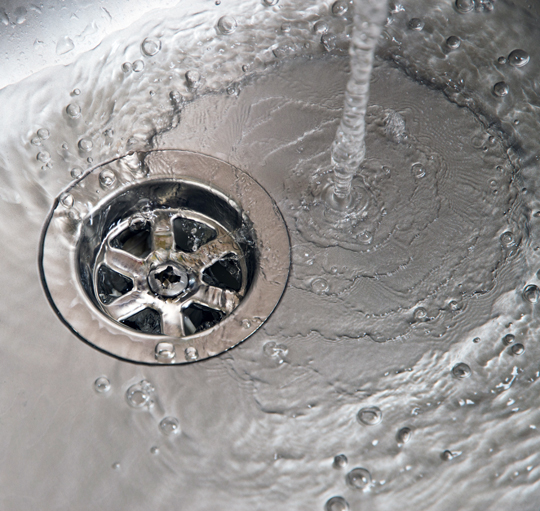
It can be frustrating (and disgusting) to be brushing your teeth, only to realize your sink is filling fast and not draining. Surprisingly, there are ways to unclog a sink drain without using chemicals. Although strong chemicals often work to fix the problem, they can damage your pipes and cause a larger, more costly mess in the long run.

How to Unclog A Sink Drain

1. Wait for water to slowly drain. If it is fully clogged, scoop out as much water as possible and use an absorbent towel to soak up the rest. Then, use a pair of tweezers or needle nose pliers to remove any visible debris in the drain. Next, take a piece of wire with a bent hook-end and use it to fish out any debris that is not visible on top. Try running water to see if it drains.

2. If this does not work, use duct tape to cover the air hole in the sink. After putting a thin layer of petroleum jelly on the ring of a plunger, place it over the drain hole and fill the sink with about an inch of water. Thrust the plunger up and down for about two minutes. Remove the tape and plunger, and run some water to see if the drain is cleared.

3. If it is still clogged, place a bucket under the P-trap and use a pipe wrench to remove the nuts which hold it in place. Flush the P-trap out in a bucket so as not to reintroduce the debris to another drain. Replace the P-trap using a cloth under the wrench to reduce scratching. Run water to check for leaks and drainage.

4. If this still does not solve your problem, remove the P-trap again and insert a drain auger into the pipe. Begin rotating until you feel resistance. Reverse your rotations repetitively until the debris comes loose. Replace the P-trap and run water for a few minutes to clear the drain.

Get Help Immediately

These methods should unclog a sink drain. If they do not and you are concerned about your mechanical abilities, you may need to hire a professional plumber. TalkLocal can find one in your area quickly and easily. Simply type in a little bit of information about your problem and we’ll have qualified professionals call you in a matter of minutes.

How to Improve Car AC

Sunday, April 21st, 2013

How to Improve Car AC - Auto Repair

In the summer, AC becomes a very important part of driving comfort and physical safety. Sometimes, the car needs to become an icebox to relieve the scorching heat from outside. For these hot days, there are some ways to improve the car AC so it can work most effectively. Read on to learn about how to improve car AC.

Beat the Heat: Reducing heat in the car

The car will cool faster by reducing the heat in the car when it is not running. There are many ways to reduce the heat in the car, including:

– Park in shady areas to prevent your car from getting baked in the sun.

– Install window auto reflectors to reflect sun rays from the car’s interior. These available at your local auto store.

– Tint the car windows. The car only needs to be lightly tinted to effectively reduce heat. If you are considering a tint job, look for tint specifically designed to reduce heat-causing rays.

– Cover the AC pipes with a foam pipe and wrap it with aluminum tape. The covering reduces the heat transfer from the engine to the AC pipes and results in greater AC efficiency.

Max Setting

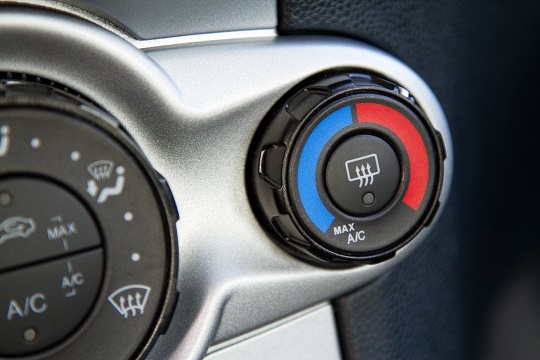
Put the AC on the “max” setting or the setting that recirculates air in the car. When on the low setting, the car pulls air from the outside and turns it cold. This causes the car to cool more slowly than the max setting. It’s recommended to use the max setting on humid days.

More Tips

– Change your car’s air filter every six months. When these filters are blocked with dirt and grime, the AC has to work harder to cool your car.

– Do regular checkups to find and fix small leaks in the AC system. For big leaks, call an auto repair professional.

Let Us Find Your Mechanic For You!

If you need help finding an auto repair shop, just use TalkLocal. TalkLocal connects you to the best auto repair shops in your area for free, so you can get the help you need, when you need it.