Archive for the ‘services’ Category


How well do Maids Clean

Tuesday, November 27th, 2012

How well do Maids Clean Maid Services

How well do maids clean? It depends on a number of factors. The quality of maid services can differ from company to company, so it can be kind of tricky when you’re looking for the right one.

Choosing the right maid service

First and foremost, make sure you check the reviews of the different maid services you are considering hiring. Using TalkLocal to connect you to several local businesses will also give you the opportunity to read reviews while you wait. You can also visit websites such a Yelp that are well known for providing good reviews and ratings.

Check on specifics

Another thing to check on if you’re worried about the quality of cleaning is what the particular maid service includes when cleaning your home. Some services might provide more than others when it comes to specifically what they agree to clean. Call the company or check their website to make sure.

Try out your options

Aside from these two main factors, you can only really tell how well the maid service cleans after you’ve used them. Try several different ones before you decide to hire one long-term. Every maid service is different; when it comes to hiring the right one, make sure you consider all these factors when making your decision.

Can you Transfer Data from One PS3 to Another

Tuesday, November 27th, 2012

Can you Transfer Data from One PS3 to Another Computer Repair

Have you bought a new slim PS3 to replace your old and clunky PS3? If you have, then you probably you are probably wondering, can you transfer data from one PS3 to another.  The answer is: yes you can.  Without transferring you will lose all of your data from the previous PS3. PS3 has two simple ways of transferring your files—Ethernet Cable or USB.

Ethernet Cable Transfer

1. Update the system software of both PS3s to their latest version.

2. Prepare PS3 to send the data or source system. If there are multiple users on the source PS3, create PlayStation Network account.

3. Connect two PS3s with an Ethernet Cable.

4. Connect both PS3s to a separate TV inputs on the TV.

5. Turn on the PS3s.

6. Go to TV input of the source PS3 (the one that is transferring the files).

7. Check the source PS3 is connected to the Internet. If not, go to “Network Connections” > options > system options > “Data Transfer Utility.”

8. Follow instructions on online data transfer and trophy syncing. Trophies must be synced or you cannot transfer trophy information.

9. Switch the TV to the PS3 getting the files.

10. Go to options > system options > “Data Transfer Utility” > “Transfer Data from the other PS3 System to This System.”

USB Transfer

1. Choose the content to be transferred.

2. Insert USB flash drive into the source PS3.

3. Click the triangle button on the chosen content.

4. Click “Copy” to have the content be automatically copied to the USB flash drive.

5. Turn off the PS3.

6. Insert the USB.

7. Turn on PS3 and XMB bar will appear.

8. Click the triangle button and the “Display all” option.

9. Click the triangle button on the data you want to transfer.

10. Click “Copy.” The data will begin transferring.

These two ways will get your files easily transferred and and you can resume playing Uncharted 3 in no time. If you have difficulties transferring files or would like some professional help, contact TalkLocal. TalkLocal will connect you with the best professionals in your area for free.


Car AC Blowing Hot Air Only

Tuesday, November 27th, 2012

Car AC Blowing Hot Air Only Auto Repair

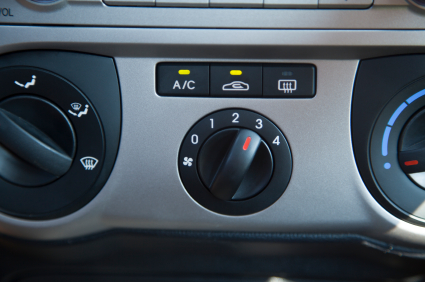
When you get into a hot car in the summer, the first thing you want to do is blast the A/C. It may take a while for the air to get cool, but if your AC continues to blow hot air only, there may be a problem. Driving in the heat can become a miserable and even dangerous task if you don’t have a working A/C. Read below to get reasons why your car AC blowing hot air only.

Lost charge of refrigerant — To see if your car has lost the charge of the refrigerant, you should use an A/C pressure gauge. In the engine, you should connect to the high side of the service port in the high-pressure hose that runs between the compressor and the condenser. This will tell you if there pressure in the system. If there is not enough pressure, your air conditioning may be out or refrigerant or it may have leaked out. You should vacuum out the air and recharge the system with refrigerant. Any extra air will reduce cooling and make the compressor very noisy.

Compressor isn’t engaging — Another potential issue may be with the compressor.  You should see if it is properly engaged when you turn on the air conditioning. If it does, the problem is inside the HVAC unit itself.  If it doesn’t then try to jump the compressor clutch wire directly with the battery.  If this works, then the problem is with the A/C compressor relay or pressure switch. If it doesn’t engage, then the clutch is broken.

Obstruction in system — If both the refrigerant and compressor are working, there may be an obstruction somewhere in the system. The orifice tube is located in the high-pressure hose. A blockage here will stop the refrigerant from getting into the evaporator and circulating. If this tube is blocked, then the high side pressure reading will be lower than normal. You should try to get in and get rid of the obstruction.

Getting Help

If you cannot seem to figure out what the problem is with your air conditioner, you should seek professional help. Use TalkLocal to be put in contact with reliable local businesses almost immediately.  Simply input your problem and availability and TalkLocal will do the rest. Within minutes your should be connected with a qualified HVAC company.

Install Roof Shingles Tips

Tuesday, November 27th, 2012

Install Roof Shingles Tips Roofers

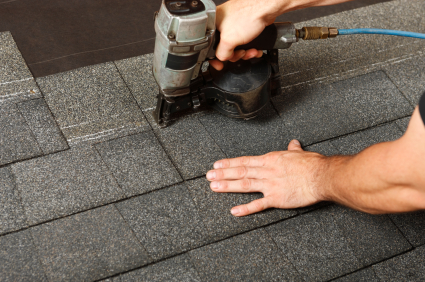
Installing shingles can be easy, yet dangerous. Being on a roof brings potential risk of injury and does not guarantee that the job will be done. If you still decide to tackle the job on your own, here are some tips on installing shingles.

Work with Others

Have at least one person working with you on the roof. If an injury occurs, they help you immediately. Another person also speeds up the process of repairing shingles such as preparing the shingles for the roof. Try to have two people to work with you, one on the roof and one on the ground. The one on the roof can stop potential injury and speed up installation, while the ground person does the preparation.

Use Felt

Felt is the layer before the shingles are being installed.  Some people believe felt is unnecessary because proper installation of shingles is enough to stop water leakage. Others say felt will help you with roof leakage down the road. Mistakes can occur during installation and more protection does not hurt, so using felt is a precaution.

Install Flashing

Flashing is where a roof connects to something that is non-roof, like a chimney. These sections are where the roof leaks most of the time from improper installation of flashing. Flashing is usually a thin piece of aluminum which is installed before the shingle installation. To install flashing:

1. Measure and cut the flashing to appropriate length for needed section.

2. Apply flashing to the section with the middle of the flashing in the groove of the valley.

3. Staple one inch from the edge of the flashing.

4. Begin roofing and applying fascia board.

5. Use tar for extra protection.

Measure Carefully

1. Put the end of the measuring tape on the bottom edge of the roof.

2. Walk straight up to the roof’s peak. Record the distance.

3. Measure the roof from side to side in the same way. For triangular section, measure the distance along the edge of the roof and the distance to the peak of the triangle from the center of the bottom edge.

4. Multiply length and width measurements to find square footage.

5. Add ten percent to the total square footage.

6. Divide the total square footage by 100 for the total squares of shingles needed.

These tips should help you into the right direction in installing shingles correctly and saving your home from water damage. If you want a home improvement professional for the inspection of your roof, use TalkLocal. TalkLocal can connect you with high quality professional in your area for free.


Drano Not Working on Sink

Saturday, November 24th, 2012

Drano Not Working on Sink Plumbers

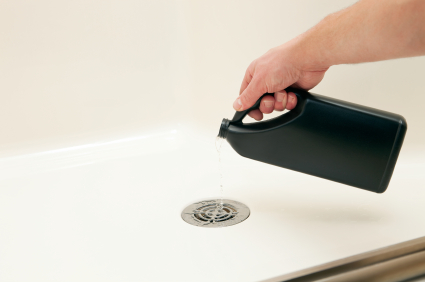
Due to Drano’s toxicity, many people choose not to use it to unclog their pipes and drains. It can be dangerous for humans and may damage some of the piping. Other times, people give Drano a chance, but it simply does not work. At the end of the day, they are still stuck with a clogged drain and/or pipes.

If Drano is not working on your sink, it’s time to take matters into your own hands. First, set up a bucket with several towels underneath it. Unscrew the pipes under the sink. Newer pipes are generally designed so that you can unscrew them with your hands. For older pipes, you may need to use a large wrench to disconnect the pipes. There will be some pipes that come completely off. Carefully take these pipes and put them in the bucket. Be aware that there will be water in these pipes so try not to spill any of it.

Use a long pointed tool, such as a screwdriver, to unclog the pipes you just removed. There will be hair, dirt, and grease on the pipes walls that have turned into a gel-like substance. Take the pipes outside and continue scraping at them until they are clean. Make sure to scrap hard enough to clean the walls yet not hard enough to break, crack, or damage the pipes. You should also use a power hose afterwards to get the inside of the pipes spotless.

Go back to the sink and use the screwdriver to unclog the sink and the attached pipe. Make sure to put the bucket under the open pipe to catch all of the junk in the pipes. Scrape and poke with a screwdriver to break off any obstructions in the piping. You may also use pliers to pull out anything that may be stuck. Now that you have spent some time cleaning the top part of the pipe attached to the sink, make sure to get the bottom half as well. Do the same to the bottom half of the pipe until the pipe is clean when looking through it.

Now put the piping back together. Make sure to screw the piping back on firmly and securely to prevent leaks. You may want to use a washer when screwing the pipes back, just in case. If you don’t have the time to do this yourself, TalkLocal can find you a high quality plumber in your area in minutes!

Car Air Conditioner Not Cold Enough

Saturday, November 24th, 2012

Car Air Conditioner Not Cold Enough Auto Repair

Car Air Conditioner Not Cold Enough

Nice, cold air conditioning in your car is definitely a must-have, especially for those 90-degree summer days. Unfortunately, people often complain that their car air conditioner is not as cold as it should be. This summer, if your A/C isn’t up to par, we might be able to help.

Your A/C could be malfunctioning for a number of reasons. The most common problem people encounter is due to an incorrect Freon charge. Freon is the cooling component installed in your car. If the amount of Freon is off by even a couple ounces, this could be your problem. If you’re hearing a clicking noise from inside your car, this could indicate a low Freon charge. If you diagnose this as the problem, be careful trying to fix it on your own; an overcharged Freon level can cause your A/C to malfunction as well.

Another cause to the problem could be that your radiator or condenser is clogged with dust or dirt. Although less common than a Freon problem, this does tend to happen around the beginning of summer. This would cause your A/C temperature to be higher than normal because it would reduce the airflow that passes through the radiator and condenser. This is a problem that gets worse over time, so catching it early is key. To prevent this, try cleaning out your radiator with a pressure washer every so often.

If you’re not very knowledgeable about cars or mechanics, try bringing your car into the dealership you purchased it from. If you no longer have a warranty and your dealer’s rates are too pricey, try using TalkLocal. We can connect you to a highly rated local service professional within minutes of submitting your online request. It is a completely free service that will save you time and money.


Keeping your House Cool in the Summer

Saturday, November 24th, 2012

Keeping your House Cool in the Summer Heating and Cooling

Summer is a great time to go outdoors and bask in the sun’s warmth. However, when we go indoors, we expect that warmth to stay outside. Instead of blasting your air conditioner–and driving a hole in your wallet–try the following cheap or free ways in keeping your house cool in the summer.

Doors and Windows

– Cover your windows with white shades or blinds. Close them over windows that face south and west during the day.

– Close the doors inside your house, or else you will waste energy cooling rooms you are not using.

– Hang bamboo shades or woven screens outside of windows. This can block up to 80% of the sun’s heat.

– Ventilate your house by opening all the doors and windows in your house. The temperature should be less than 77 degrees, so evenings and cool days work best. Keep your house tightly sealed during the day.

Maintenance

– Make sure your air conditioner ducts are insulated.

– Ensure that your fireplace damper is closed and sealed.

– Clean your air-conditioning filter monthly during the summer. An accumulation of dust can limit air flow.

Less Technology

– Turn off dehumidifiers; they create a bigger cooling load, so the air conditioner must work harder.

– Turn the thermostat down to 115 degrees on your water heater. This temperature should still provide comfortable water usage.

– Turn off your air conditioner if you leave the house for more than an hour.

– Move lamps or other heat-producing objects away from your thermostat.

– Use compact fluorescent light bulbs instead of incandescent ones because compact fluorescent ones use 1/5 of the energy while providing the same amount of light.

– Use a microwave instead of a conventional oven, when possible.

– Use your dishwasher in the evenings when the weather is cooler since it is a heat-generating machine. Opt to air dry dishes instead of using the machine.

If these tips aren’t enough to beat the heat, use TalkLocal to contact local heating and cooling companies.

Should I Shovel Snow Off my Flat Roof

Saturday, November 24th, 2012

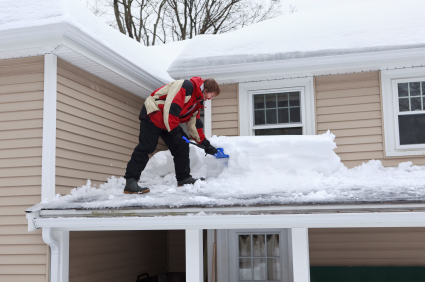
Its snowing outside and you are probably wondering, should I shovel snow off my flat roof.  Here is a simple rule of thumb you can use to help if you are concerned: shovel snow off your roof if it exceeds two feet in depth. If you want to play it safe, do not let the snow exceed a foot or a foot and a half. Two feet of snow weighs about 30 lbs per square foot (more details below), which is about how much the average house’s roof can withstand. Some stronger roofs in areas with great snowfall can withstand over 40 pounds of snow per square foot.

The earlier calculation of 30 lbs is based on a 25% moisture density. On average, saturated snow weighs approximately 20 pounds per cubic foot. The moisture content of snow ranges from 1% to 33%, which means that snow can weigh from 1 pound per cubic foot to over 21 pounds per cubic foot.

Calculation: S x 1.25 = P

  S = inches of snow on the roof (depth)

  1.25 = weight of 1 sq ft of snow for each 1 inch of depth

  P = Pounds per square foot (lbs/sq ft)

Example: If the snow on your roof is 20-inches deep, should you shovel it off?

20-inch roof snow depth x 1.25 lbs/sq ft = 25 lbs per sq ft of snow load

In this example, you should shovel it off since it is very close to the roof’s limit.

Important: If there is any ice build-up on the roof, you need to account for this in the formula. Add 5.2 lbs for each 1-inch of ice depth.

Remember you can always check your roof snow load by cutting a one foot by one foot square of snow from your roof and weigh it in a plastic bag to determine is getting close. Don’t forget to account for ice build-up as well.

Please be aware of the potential dangers of shoveling or raking snow from a roof. Besides the potential damage to your roof, there are other factors to worry about such as a person sliding off the roof or falling off the ladder.

If you want more information on what your roof can withstand, TalkLocal can help you find a local roofer to consult with.

Lost Favorites in IE9

Saturday, November 24th, 2012

If you use Internet Explorer as your web browser and recently upgraded to the new IE9, you will want to be able to access the favorites window in order to visit all of your bookmarked sites.  Your favorites should have been automatically imported from IE8 when the new version was installed.  If you switched to IE9 from a different browser like Google Chrome or Mozilla Firefox, you will need to manually import your bookmarks if you want to keep all of the same favorite websites. Most browsers provide an option to export your bookmarks to a file that you can use for this purpose.  This is a relatively simple process; you can find a great short step-by-step guide on this tech blog. Read on for more help on recovering lost favorites in IE9.

Once your favorites have been added, you may have some trouble actually finding them in the IE9 browser.  Microsoft has made some layout changes in this newest version of Internet Explorer that can be confusing, especially if you are used to the older IE8.  In previous versions, the favorites button was on the top left corner of the browser screen, but it has been moved across to the top right corner in the new one.  Clicking this button will display the familiar favorites panel, which should contain all of the pages that were imported either automatically or manually.

You might also be wondering what happened to the Favorites toolbar that used to be at the top of your browser page in IE8.  This toolbar provides quick access to all of your favorites and can be very useful for navigating to sites that you visit frequently.  Fortunately, the favorites bar is still around in the new version of Internet Explorer; it just isn’t visible when you first start using IE9 because the browser default sets all toolbars as hidden.  Enabling the favorites bar is simple; just right click the top of your browser window to the right of the “New tab” button. Then, click the check box next the toolbar you want to view.  If you are having trouble, Microsoft has created a cool instructional video detailing the steps you need to take that is available to watch here.

If you are unable to import your bookmarks on your own, or encounter a bug or error, you may want to get in touch with a professional computer repair service.  The best way to find a quality technician in your area is with TalkLocal.  All you have to do is enter your basic info and a short description of your problem and TalkLocal will automatically connect you with someone who can help!

Where Do Bed Bugs Come From

Saturday, November 24th, 2012

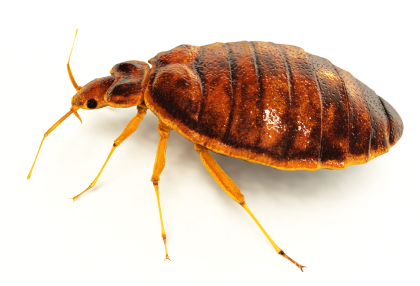
Bed bug infestations seem to come out of the blue, so you might be wondering where do bed bugs come from? You are a happy sleeper one night, then you are covered in bites the next night. They dwell in dark places, so this may explain why you have more bites where your clothes fit tighter, such as your pants waistband. You may be wondering how the bed bugs were able to invade your home in the first place, but there is not necessarily someone to blame. Bed bugs are transported from other infested locations into your home, so this means a bug latched onto a member of your house and entered your home. There is not a practical way to avoid bed bug infestation without closing yourself off from the outside world. Bed bugs tend to infest public places like hotels, motels, and even movie theaters. Public sitting areas are a prime spot for bed bug transportation because they can live on furniture and jump from person to person!

The best way to keep bed bugs away is to examine your surroundings when staying at a new place, such as a hotel. If there are rust-colored spots on the sheets, this is a sign of bed bugs. During the day, bed bugs are usually within five feet of the bed, so keep your luggage and clothes elevated. Upon returning home, inspect your clothes to make sure you are not bringing any home. Stick your clothes in the dryer for fifteen minutes to kill any bed bugs you may have missed. To keep your home clean, wash your sheets regularly and tidy up. The less clutter you have, the fewer places there are for bed bugs to hide. When inspecting your home, remember to check cracks and crevices that do not receive much light. If you need help finding an exterminator in your area, TalkLocal will help you find a qualified exterminator in minutes!