Archive for the ‘services’ Category


What to do when you Lost your Keys to your Car

Monday, December 3rd, 2012

What to do when you Lost your Keys to your Car Locksmiths

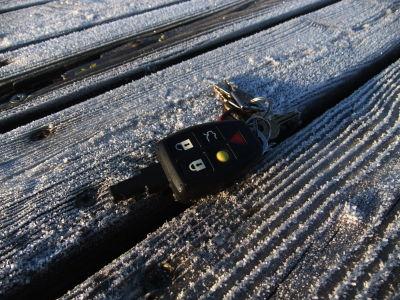
Everyone has lost their car keys at least once.  If this has happened to you, read on for information on what to do when you lost your keys to your car.

First, retrace your steps and look for them.  More often than not, you’ve just misplaced them and forgotten about it.  If this is not the case and you don’t have a set of spare keys, this leaves you with no option other than to have a new set of keys made.

–  Locate your VIN (Vehicle Identification Number).  This is usually in the vicinity of the driver’s side dashboard.  Call your local dealership and provide your VIN.  They can duplicate your key with this information alone.

–  Check if your insurance policy includes Roadside Assistance Coverage, which generally includes 24-hour locksmith services for when you lose your keys or lock them in the vehicle.  If you do, call your insurance company.  They will dispatch a locksmith professional to come to your car’s location and make duplicates.

–  Call a locksmith’s company and give them your VIN.  They will be able to make a duplicate key which you can pick up from them.

To get in touch with a locksmith’s company in your area today, use TalkLocal.  This completely free service will connect you to up to three high quality professionals within minutes.

Prevent Back Injuries when Shoveling Snow

Monday, December 3rd, 2012

Prevent Back Injuries when Shoveling Snow Snow Removal

Shoveling can be one of the most tedious chores to do when winter rolls around.  Not only is it cold and miserable, but it is also exhausting and potentially dangerous if done the wrong way.  Many people suffer from back injuries when they shovel, but this is an avoidable outcome. Prevent back injuries when shoveling snow by making sure to take the right precautions.

Things to consider:

1)     Your shovel

2)     Your muscles

3)     Your body

4)     Your technique

The first thing to look into is finding a good shovel.  Many new shovels have more ergonomic designs that can reduce the amount of stress on your back.  They also have better metal on the bottom that allows you to remove snow and ice with ease.  You should look for a shovel that alleviates some of the effort for you.  Try a shovel with a curved handle that can adjust to height, which will reduce the amount of bending you do.  You will be required to bend your legs and back only slightly while still getting the same amount of snow off the ground.  If you want, a lighter shovel may also reduce the amount of weight you are throwing around.

Another thing you should be aware of is your muscles.  Make sure to move around and warm them up so that they are more flexible when it comes time to do the job.  Cold, tight muscles are more prone to injury or seizing up.  Anything that increases your heart rate and keeps you warm will make your shoveling experience less painful.

Furthermore, you need to be aware of what your body can handle.  You should shovel small amounts of snow frequently rather than strain yourself all at once.  Lifting large amount of snow very slowly is actually worse for your back.  If you feel as though your body cannot handle the shoveling, you should stop and hire a snow removal service to finish the job for you.

Finally you should always practice safe lifting technique when shoveling snow.  Face the mound you want to lift with your feet and hips squared.  Bend from your hips, not your back, while pushing your chest out.  This will allow you to lift with your knees bent.  Grip your hands as close to the blade as possible, and avoid twisting at odd angles when dumping the snow. You should also walk to the place you want to unload the snow rather than reaching/tossing it.

If you are looking for a snow removal company use TalkLocal to be put in contact with reliable local businesses. Simply enter a brief description of your service needs along with your location and availability, and within minutes you should be on the phone with a professional willing to help.

Laptop Battery will not Charge

Monday, December 3rd, 2012

 Laptop Battery will not Charge Computer Repair

If you are plugging your laptop computer into charger, but it does not appear to be charging there are a number of problems you could be having. This article will help you to figure out why your laptop battery will not charge.

Not Plugged In

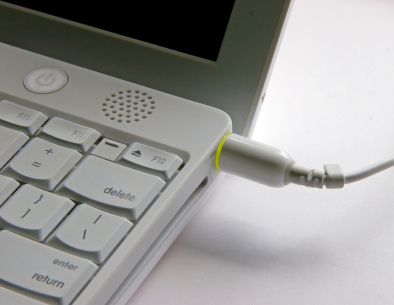
This may seem simple, but before you try to figure out if there is a problem with your computer or battery, make sure that you are actually plugging your computer in. Check that the cord is all the way pushed in to both your computer and the outlet. Check that any detachable parts of your cord are attached all the way. If you are plugging your computer into a power strip or extension cord, make sure that the power strip/extension cord is plugged into the wall. If there is a switch, make sure it is turned on. Also, make sure that your battery is properly seated inside your computer. If everything is plugged in, you should also try plugging your computer into a different outlet to see if there is a problem with your outlet.

Battery not Working

To check whether or not your battery is working, remove it from your computer and then plug your computer into an outlet. If it turns on and works correctly, then the problem is your battery and you will probably have to get a new one. If it is a new computer, contact wherever you bought it and let them know they sold you a defective battery.

Problems With Your Charger

Inspect your power cord. Are there any kinks or breaks? Have any parts been chewed by a pet or caught in a vacuum cleaner? Is the brick discolored, warped, or expanded? Does it smell like burnt plastic? If you said yes to any of these questions, you will likely need to replace your charger. If there are detachable parts, you may only have to replace the part that is broken.

Laptop Overheating

Overheating can cause the battery not to charge until it has cooled down, especially if you are using an older laptop with outdated cooling technology. Your laptop may also overheat if you have it on a blanket, your lap, a couch, or a bed. If your laptop feels hot, turn it off, unplug it, and rest it on a flat, fully ventilated surface until it cools down. After it has cooled down, check to see if it will charge properly.

Update Your Drivers (Windows)/SMC (Mac)

If none the above things are working, the problem is most likely coming from inside your computer. If you are using a Windows computer, you can try updating your drivers.

1. Open the Control Panel.
2. Click on Device Manager.
3. Open each option under Batteries (battery, charger, and “Microsoft ACPI Compliant Control Method Battery”), bringing up a Properties window for each.
4. In each Properties window, go to the Driver tab and click Update Driver.
5. When you have updated the driver in all three, restart your laptop and try plugging it in again.

If you are using a Mac computer, you can try restarting your System Management Controller (SMC).

1. Shut down your computer.
2. Unplug your charger from your computer, if it’s still connected.
3. Remove the battery.
4. Press and hold the power button for five seconds.
5. Release the power button.
6. Reconnect the battery and charger.
7. Press the power button to turn on the computer.

Contact a Computer Repair Professional

If you have tried everything above and your laptop is still not charging when you are plugging it in, you may have to contact a computer repair professional. With the help of TalkLocal, you can receive phones calls within minutes from up to three high quality computer repair professionals in your area that are available when you are.

How to Fix Loose Shower Tiles

Monday, December 3rd, 2012

How to Fix Loose Shower Tiles Plumbers

Loose shower tiles are something that must not be left unattended because they can cause water and debris to build up, making the fixing process harder as time passes. Fixing shower tiles is not a hard job and can easily be done at home with just a few tools. Read all about how to fix loose shower tiles below.

You will need:

Grout saw

Hammer

Chisel

Water

Sponge

Mortar

Putty Knife

New Tiles (optional)

How to Fix Loose Shower Tiles

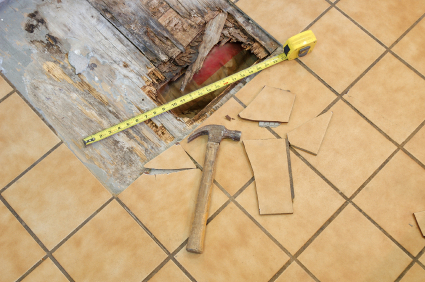
1. Check if the tile comes out by hand. If it does, just remove it. If the tile does not come out by hand, use a grout saw to remove the grout surrounding the loose tile.

2. Use a hammer and chisel to slowly chisel it out from the bottom.

3. Once the tile comes off, clean up the space behind the tile with a hammer and chisel.

4. If the tile is still in once piece and you think it can be reused, then clean it with water and scrub it well. If not, use a new one.

5. Apply a thin layer of mortar to the back of the tile with a putty knife.

6. Fix the tile in place and press it in to secure it.

7. Remove any excess mortar that seeps out of place using the putty knife and sponge.

8. Fill the spaces around the tile with pre mixed grout using the putty knife.

9.  Wipe off excess grout with the sponge.

If you don’t have the time to fix loose tiles in the bathroom, you can hire a local professional to fix it for you. Just tell TalkLocal your service need, location, and availability, and we’ll do all of the searching for you. Within minutes of submitting your service request online, you will be on the phone with high rated local businesses who can help fix your loose bathroom tiles.

How to Install a Car Radio

Monday, December 3rd, 2012

How to Install a Car Radio Auto Repair

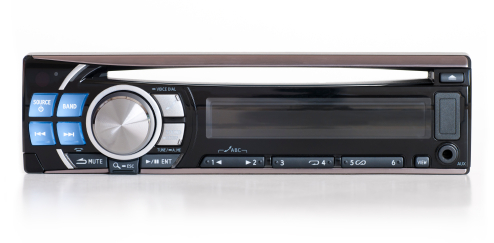
Time to give your old car a makeover? One of simplest things to do is to upgrade the radio. Installing a car radio is an easy do-it-yourself task. Different car makes have slightly different methods to install a car radio, but the general instructions are fairly similar. Read below for detailed instructions on how to install a car radio.

Removing the Car Radio

1. Detach the negative cable from battery to prevent any injuries.

2. Detach radio from panel. The car radio is either attached by screws, a cover, or a panel.  Screws can be removed by a screwdriver and covers can be popped off. Panels are a little more complicated, so refer to the car’s instruction manual.

3. Pull the second panel out slowly until it unsnaps.

4. Remove any screws or bolts that are keeping the radio in place.

5. Gently pull out the radio to access the cable that attaches the radio to the car. Unplug it.

Installing the New Car Radio

1. Plug in the cable of the new radio.

2. Put the radio in place without crushing or mangling the wires. This prevents the radio from becoming damaged.

3. Screw any remaining screws to the radio tightly.

4. Replace the plastic panel and screw it on tightly.

5. Replace the outermost panel and screw on tightly as well.

Installation Issues

If you are having problems installing a new unit, many auto repair companies have car radio installation services. If you are looking for auto repair companies, use TalkLocal. This completely free concierge service is the best at connecting you with high quality auto repair companies in your area. Just go to the TalkLocal website and submit your problem, location, and availability. Within minutes, you will be on the phone with real people who can help with your specific problem at your convenience.

What is a Lift and Slide Door

Monday, December 3rd, 2012

What is a Lift and Slide Door Window Replacement

I’m sure that you’re familiar with a typical door: you turn the doorknob and push the door at the hinges to turn at a 90 degree angle.  They’re simple to install and easy to maintain, but they less efficient when it comes to space.  Hinge free doors, like a lift and slide door, do not require the door to turn at an angle.  What is a lift and slide door?  A lift and slide door minimizes the space lost in opening/closing doors as it not only uses a sliding system to operate, but also utilizes outdoor space to blend in with the indoor spaces.

What is a lift and slide door?

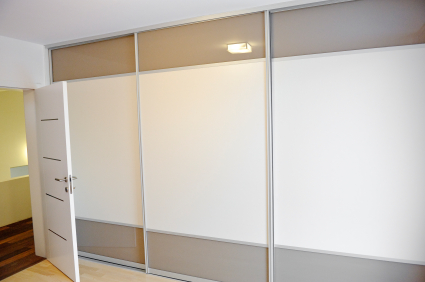
Lift and slide doors are slide doors that are set up like walls in your house, except they are designed to be opened when needed by sliding rather than opening at an angle.  The outdoor space adjacent to these doors generally has tiles that are similar to the ones inside the door in your house.  Since the tiles indoor and outdoor are similar, opening the wall-like lift and slide door successfully integrates the outdoors into your home, perfect for an event like a barbeque.

How you can have one in your home 

Lift and slide doors, due to the amount of work needed to plan and install them, are not considered a do-it-yourself project.  Not only you will have to install the large sliding doors, but also the framework and the matching outdoor tiles.  Therefor, it is recommended that you consult a professional when planning to install a lift and slide door.  Also, keep in mind that the optimal settings vary per house.  There are various factors you may want to account for including the direction of the sunrise, nearby sounds and wind currents.

TalkLocal can help you find the best local professionals to install your lift and slide door, saving you time and energy in what may be a stressful situation.

What Should I Do if my Cat has Fleas?

Monday, December 3rd, 2012

What Should I Do if my Cat has Fleas? Pest Control

So, you’ve discovered that your poor feline friend has fleas. You may be asking yourself  “What should I do if my cat has fleas?” Unless you favor natural flea remedies (that are not always successful), it is important to make a visit to the vet. The veterinarian will be able to provide potent flea medicine for your cat, so your pet can start feeling better in a few days. In the meantime, you can use some of these at-home methods to relieve your cat.

Treat Your Cat

–  Fill a spray bottle with equal parts vinegar and water. Spray your pet to temporarily relieve them of fleas (be careful around your pet’s face).

–  Put your pet in the bathtub and administer hydrogen peroxide to your cat’s coat. The fleas should drop off your cat and into the tub.

–  Brush your cat with a flea comb and kill the dislodged fleas by placing them in a bowl of detergent mixed with water.

Treat Your Home

The fleas can jump off your pet and onto furniture and carpet, so it is also important to follow up with cleaning even after your pet has been treated. Fleas that have infested a home can bite the humans that live there, so it is important to treat your home as soon as you discover the fleas.

–  Thoroughly vacuum your home and car. Vacuum under everything including rugs, furniture, etc.  Throw out the vacuum bag immediately after cleaning to ensure the critters don’t crawl back out. You can even hire a reliable carpet cleaning service directly through TalkLocal!

–  After cleaning, spray the house with flea spray.  Follow the instructions carefully and make sure to remove all pets and family members until it is safe to return.

–  Remember to treat your yard, especially the areas where your cat has roamed. Using a professional flea spray, treat your yard according to the instructions.

If you don’t want to remove the pests yourself, TalkLocal can connect you to a local pest control specialist within minutes!

Roof Sagging in Between Trusses

Friday, November 30th, 2012

Roof Sagging in Between Trusses Roofers

When you notice a roof sagging in between trusses, it is usually the result of a damaged or broken roof rafter.  Before fixing the problem, however, it is important to identify the exact cause of the problem.  Other potential causes include damaged roof decking or even an underlying foundation problem.

Inspecting the roof from the underside is the only way to effectively determine the cause of the sag.  Enter the attic and inspect the rafters and the decking.  Take special note of the rafters and decking below the sag that is visible from the outside. Look for:

–  Broken or cracked rafters

–  Broken or twisted metal or plywood gusset plates – used where the lumber members meet on a truss

–  Damaged, rotten roof decking

The best method of repairing any roof damage is to remove the weather sheathing, underlayment, and then the roof decking itself.  However, this is not always possible due to the time of year and/or budget constraints.

Repairing a damaged roof truss or rafter:

The easiest way to bring a rafter or truss member back into shape is to use a piece of steel “L” channel, at minimum 1.5” x 1.5” and at least 2 feet long.

1.  Drill four 3/8” holes in the base of the steel angle stock and four holes in the side. Place the side holes about 1” to the right of the two left side base holes and about 1” to the left of the two right side base holes.

2.  Remove any broken splinters of wood that may prevent the rafter or truss member from re-aligning itself. This can be accomplished with a chisel or reciprocating saw.

3.  Using 3/8” x 2” lag bolts on the bottom of the steel “L” channel, mount the steel “L” channel stock to the truss member or rafter end that is the most difficult to access.

4.  Drill through the holes in the side of the steel “L” channel and insert 3/8” x 2.5” carriage bolts and washers.

5.  With one end of the steel “L” channel securely fastened to the rafter or truss member, draw the broken piece into position.

6.  Choose a lag bolt 3/8” diameter x 1.5” to 2” longer than the gap between the steel “L” channel and the bottom of the truss member or rafter. You want the lag bolt to enter the damaged rafter or truss member by at least an inch before it begins to draw the steel “L” channel to the lumber.

7.  Tighten both of the bottom lag bolts until the washers under the bolt heads are flush with the steel “L” channel. Then tighten the bolt farthest from the crack until the other bolt head is about ¼” from the steel.

8.  Tighten the back bolt so that it is snug against the steel. Start tightening the front lag bolt again and do so until you obtain the ¼” separation on the back bolt. Tighten the back bolt and continue going front to back until the truss member or rafter is snug against the angle steel.

9.  Drill two holes in line with the holes in the side of the steel angle and insert carriage bolts so that the nuts and washers are against the steel angle. Once the truss member or rafter has been reconnected, you may want to add some additional support to that area with a couple 2×4’s.

Damaged or broken gusset plate:

A gusset plate is used to hold the members of the truss together where they meet.  Gussets that are inserted in residential construction are usually very difficult to remove.  Therefore, it is almost impossible to reinstall a metal gusset plate properly in the field or on site.  If you have a gusset plate that has partially or fully pulled away from its lumber members, the best method of repair is to remove the metal gusset and replace it with a ½” thick plywood gusset on both sides.

Damaged roof or decking:

Damaged roof decking can only be properly repaired from the topside of the roof. This entails removing the roof sheathing and the damaged decking in the area where the damage exists.

TalkLocal will help you find reliable roofing professional in minutes!

What Type of Dimmer Switch do I Need

Friday, November 30th, 2012

What Type of Dimmer Switch do I Need Electricians

There are times when you want the light to be just right for a romantic evening or a relaxing movie.  Dimmer switches make this possible, and are used to control the lighting in a room.  They can even save energy and increase the lifespan of your light bulbs.  Dimmer switches can dim any type of light bulb except compact florescent light (CFL).  If you’re asking yourself the question, “What type of dimmer switch do I need?” read on for more information to help you choose the right one.

Switch/Slide Dimmer

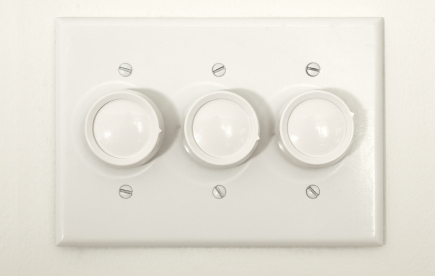
These dimmers are the most basic and are the most widely used.  They can attach to the wall, floor or directly in table lamps.  There are also switches that can be plugged into the wall outlet.  They usually have a rotator knob which adjusts the light.  The slider offers smoother action than the rotator knob.  These are also the most inexpensive type of dimmers.

Touch

These adjust lighting by touching a panel.  These can be put on the wall or can be connected to a lighting device.  This type of dimmer switch is best for people looking for a simple way to dim their lights.  On the negative side, these dimmer switches usually have a limited selection of lighting.

Remote

Remote dimmers are usually the highest quality dimmers.  The sensor is found on the wall, but can be control by a remote.  This gives the user a variety of lighting settings.  Your favorite lighting setting can even be programmed into the control.  On the downside, they are pricier than a regular switch dimmer.

Automatic Dimmer

This type of dimmer is currently the best on the market.  These dimmers appropriately adjust lighting according to the lighting outside.  This gives the best lighting for a certain room at a certain time.  This option has benefits of saving energy by giving optimal lighting for a room.  On the downside, these are the most expensive dimmers.

If you’re having trouble deciding on a dimmer type or experiencing difficulty installing it, you should consider hiring a professional.  Use TalkLocal to be put in contact with multiple highly rated electricians in your area within minutes!

For installation of dimmers, use an electrician. For electricians, use TalkLocal. TalkLocal can connect you to the best electricians in your area.

What are the Cheapest Replacement Windows?

Friday, November 30th, 2012

What are the Cheapest Replacement Windows? Window Replacement

Time for some home improvement, but you’re wondering what are the cheapest replacement windows. Just like with hardwood flooring, consumers can total up a fortune in window replacements due to the multiplication factor. Take for instance a $2 difference in hardwood floor pricing. For 1000 square feet, that can total a numbing $2000 extra. The same goes for window replacements. Most homes have at least 20 windows. If they all need replacing, a difference of $100 in price can rack up a costly bill. Before you go spending a fortune on replacement windows, read the following tips.

1. Avoid the name brands. Traditional big name brands such as Pella, Andersen, Milgard, and Marvin typically have higher prices, even for their low-end windows. Do some research online to find similar windows from less well-known companies.

2. Go for common styles. The cheapest styles tend to be double-hung, sliders, fixed, and casement windows. Save some cash by avoiding fancy shapes and styles.

3. Seek out “contractor grade” windows. Anything called “architectural grade” is bound to be more expensive.

4. Avoid authorized dealers. They usually offer only one brand of windows. Without competition, the dealers can charge a higher price. That being said, don’t be afraid to comparison shop.

5. Question extra features. Low-e coating can be nice, but it often isn’t worth the extra price. Burglar latches should not cost you extra and you can save money by purchasing specialty hardware (pulls, cranks, etc.) yourself at a local hardware store.

6. Get the cheap materials. Vinyl windows are by far the least expensive windows available. Wood and fiberglass windows will cost you extra.

7. Negotiate price. Every window replacement company, even authorized dealers, will negotiate price. You can save hundreds of dollars by asking for a price 20% lower than the original. If you find a better deal elsewhere, don’t be afraid to ask them to match the price and even go lower.

Once you find the right windows, TalkLocal can help you find the best window replacement professionals in your area!