
Archive for the ‘services’ Category


What to do when Water Leaks from the Ceiling

Thursday, September 27th, 2012

What to do when Water Leaks from the Ceiling Plumbers

Locating the source will help you figure out what type of professional to call. If there is a floor above the leaking ceiling (i.e. a second story above a first story ceiling), then the leak may be coming from several sources.

Check out this list of possibilities about what to do when water leaks from the ceiling.

Possibilities:

Toilet – If the wax ring between the floor and the toilet is worn out, every time the toilet is flushed it produces a leak flowing through the ceiling. You can purchase a new toilet wax ring and have it shipped overnight from Amazon starting at $8.99.

Shower – If the leak is happening while the shower is running, this may be due to a cracked tile or the shower faucet. If there is leakage while the shower is not running, there is a problem with the water pipe.

What to do when water leaks from the ceiling:

1. Place a bucket under where the ceiling is leaking to catch the water. You can purchase a bucket from Amazon and have it shipped overnight starting at $5.60.

2. To avoid the ceiling collapsing in, poke a small hole in the ceiling to allow the water to drain into the bucket.

3. Determine if the leak is a result of plumbing in your home or if it is due to the ceiling. If the leak only occurs when it is raining, that is indicative of a roofing issue. On the other hand, if there is water leaking when there is not a storm, the problem is most likely due to a plumbing issue.

To check if it is a roofing issue:

1. Wait for the roof to dry and climb to that area of the roof.

2. Check the shingles around the leak source and remove any damaged shingles with a pry bar. This is an easy and common fix.

3. Replace the damaged shingles with the new shingles by working your way from the bottom of the leaky area to the top.

a) Slide a few inches of the last row of new shingles under the old shingles.

b) Add a bit of roofing tar along the top and bottom of the new shingles that you slid under the old shingles and press down for a few seconds to allow them to set. You can purchase roof tar from Amazon and have it shipped overnight starting at $4.71.

c) To repair the appearance of the ceiling after the plumbing or roof is repaired, use some spackle and paint.

If a leak still persists or you cannot figure out the source of the leak, a professional may be the best option to avoid damaging your home further or hurting yourself in the repair process. To reach a high quality plumber or roofer in your neighborhood immediately, call TalkLocal. You will reach a professional who can fix your problems at a time that is most convenient for you.

The owner of this website is a participant in the Amazon Services LLC Associates Program, an affiliate advertising program designed to provide a means for sites to earn advertising fees by advertising and linking to Amazon properties including, but not limited to, amazon.com, endless.com, myhabit.com, smallparts.com, or amazonwireless.com.


Interior Home Painting Tips

Thursday, September 27th, 2012

Interior Home Painting Tips Painters

Follow these 10 interior home painting tips to make your painting projects go smoother and faster with a professional quality finish.

1. To avoid lap marks, roll the full height of the wall and keep a wet edge – Lap marks are those ugly stripes caused by uneven layers of paint buildup. They occur when you roll over paint that’s already partly dry. To avoid lap marks, it is important to maintain a “wet edge.” To do this, start near a corner and run the roller up and down the full height of the wall, moving over slightly with each stroke. Move backward where necessary to even out thick spots or runs. Reload the roller often so that it’s always at least half loaded. Keep the open side of the roller frame facing the area that’s already painted. That puts less pressure on the open side of the roller, so you’re less likely to leave paint ridges.

2. Mix several cans of paint in a large bucket for a consistent color throughout the room – Paint color may vary slightly from one can to the next. If you have to open a new can in the middle of the wall, the difference may be noticeable. Mixing the paints together eliminates the problem. The best way to do this is to estimate the amount of paint you’ll need and mix it in a 5-gallon bucket (a process called “boxing”).

3. Let the paint dry, then cut the tape loose for a perfect edge – Once paint dries, it forms a film between the wall and the tape. Simply removing the tape tears pieces of dried paint off the wall. To avoid this, cut the tape loose for a perfect edge. Wait at least 24 hours for the paint to dry, and then use a sharp utility knife or box cutter to slice through the film. As you cut the paint, pull up the tape at a 45-degree angle.

4. Paint the trim first, then the ceiling and the walls – Professional painters follow a certain order when painting a room. They paint the trim first, then the ceiling, then the walls. They do this because it’s faster and easier to tape off the trim than to tape off the walls. When painting the trim, you don’t have to be neat. Just concentrate on getting a smooth finish on the wood. Don’t worry if the trim paint gets onto the walls (you’ll cover it up later when painting the walls). Once the trim is completely painted and dry, tape it off (using an “easy release” painter’s tape), then paint the ceiling, and then the walls.

5. Prime and texture wall patches to avoid a blotchy finish – A quick coat of primer will eliminate flashing and texture differences. To match texture, prime with a roller, feathering out the edges. Choose a roller thickness to match the surrounding wall texture.

6. Clean dirty surfaces so the paint can form a strong bond – Paint will easy chip or peel off if painted over dirty, oily surfaces. Before painting, clean dirty areas with a deglosser or heavy-duty cleaner intended for pre-paint cleaning. Wipe the cleaner in a circular motion using a lint-free abrasive pad. Start at the bottom and work up. Be sure to wear rubber gloves and eye protection when using theses cleaners.

7. Roll paint along the edges for consistent texture – Corners and areas next to trim that are painted with only a brush have a noticeably different texture than the surrounding paint. To create a consistent texture, brush on the paint, then immediately roll it out with a 3” roller before the paint dries.

8. Use cotton drop cloths rather than plastic – Spills and splatters will happen regardless of how careful you are, so it is important to prepare for them. Use canvas drop cloths in your work area to protect the floor from spills. The thick canvas stays in place, so you don’t need to tape it, and you can use it to cover any surface.

9. Feather out paint where you can’t keep a wet edge – You can’t cover large areas like ceilings, extra-tall walls or stairwells in single, continuous strokes. The best way to minimize lap marks on these areas is to feather out the paint along the edges that you can’t keep wet. The thinner, feathered coat of paint will avoid the buildup that causes the lap mark.

10. Sand trim between coats for an ultra-smooth finish – For a smooth finish, sand the trim with a fine-grit sanding sponge before applying each coat of paint. Let the first coat of paint dry for at least 24 hours before lightly sanding again and applying the second coat of paint. After each sanding, vacuum the trim and then wipe it down with a tack cloth to remove the dust.

Headlights Dim While Driving

Thursday, September 27th, 2012

Headlights Dim While Driving Auto Repair

You are driving to a gas station when your headlights start to dim. Your headlights are not completely broken, but they do tend to fluctuate in brightness. Even if the dimming is temporary and returns to normal brightness, it is best to examine the problem now in case your headlights fail completely when you are on the road. Try the following tips if your headlights dim while driving. If you need to purchase a new car headlight bulb, you can find high quality bulbs on Amazon and have them shipped overnight starting at $6.98.

A common reason for intermittent headlight dimming is a bad alternator. But before you test the alternator, you must check that the battery can start the alternator. The battery is responsible for initially powering the alternator, but relies on the alternator to stay charged.

Checking the battery

1.     Turn off your car.

2.     Put the red part of the voltmeter to the red battery terminal.

IMPORTANT: Do not let your skin touch the battery.

3.     Do the same for the corresponding black parts of the voltmeter and battery terminal.

4.     Test the battery. If it measures to be over 12.2 volts, then it can start the alternator. You can find the top rated car battery tester and have it shipped overnight starting at $8.99.

Check the alternator

1.     Disconnect the voltmeter.

2.     Start your car.

3.     Turn on the headlights.

4.     Rev the engine to 2,000 RPM. This should cause the alternator to go into high gear.

5.     Reconnect the voltmeter to the battery, being careful not to let the battery touch your skin.

6.     Test the battery. If the voltage fluctuates between 13 and 14.5 volts, then your alternator is working properly. If the voltage stays the same or decreases, then you may need to fix or replace your alternator. You can find the top rated car alternators on Amazon and have them shipped overnight starting at $33.92.

If you are not sure if the alternator needs to be fixed, see if your car shows other symptoms.

Symptoms of a bad alternator

Warning light comes on

In most modern cars, there is a warning light shaped like a battery on the dashboard. It can be marked by an “ALT,” which stands for alternator. Pay attention to this light because it can flicker on and off if the alternator is having problems.

Growling noise

Drivers report hearing a growling or whining noise when their alternators are failing. This is because the alternator pulley is not aligned with the accessory belt or because the pulley bearings are worn out.

Burning rubber/hot wire smell

The burning rubber smell indicates that the pulley is causing friction on the belt. The hot wire smell indicates the alternator is overworking the rotor and stator.

When in doubt, it is safest to have your car checked by a professional. TalkLocal can help you find local auto repair services in minutes and address the problem of dimming headlights before it gets worse.

The owner of this website is a participant in the Amazon Services LLC Associates Program, an affiliate advertising program designed to provide a means for sites to earn advertising fees by advertising and linking to Amazon properties including, but not limited to, amazon.com, endless.com, myhabit.com, smallparts.com, or amazonwireless.com.

How Do I Backup my Music from my iPod to my Computer

Thursday, September 27th, 2012

How Do I Backup my Music from my iPod to my Computer Computer Repair

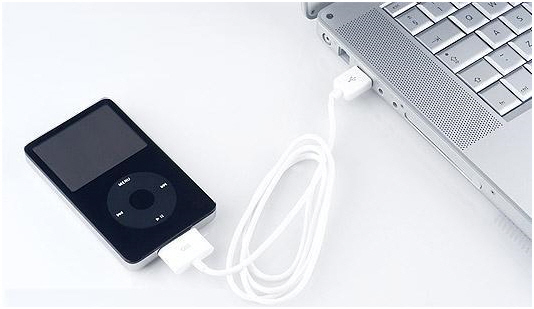
Carrying an iPod with you is a great way to listen to all the music you love on the go. However, because our iPods go everywhere with us, they are susceptible to damage and theft. It is a safe practice to back all of your music files onto your computer because–contrary to what some of us think–iPods are not invincible. Don’t let one bad accident with your iPod not wipe out your music collection. A common question asked is “how do I backup my music from my iPod to my computer?” Don’t worry, backing up your music is easy and highly recommended. Here’s how to do it :

If you are using Windows:

  1. Connect your iPod to your computer. If iTunes pops up, make sure it is not on auto sync. If it is, close it immediately.
  2. Go to “My Computer” and find your iPod under “Portable Devices.” If it doesn’t show up there, go to Control Panel >> Portable Media Devices.
  3. Once you find your iPod, double click it (or right click and click “explore”).
  4. Windows hides some files and folders by default. To see them, go to Options >> View >> Show Hidden Files and Folders.
  5. Find the Music folder.
  6. Select all the files.
  7. Drag and drop the content into a folder on your computer.
  8. Go into iTunes Preferences.
  9. Under the Advanced tab, check the boxes by “Keep iTunes Music Folder Organized” and “Copy files to iTunes Music Folder when adding to the library.”
  10. Drag and drop the new folder into iTunes.

If you are using Mac OS X, it might be a little trickier. Mac recognizes an iPod as strictly an iPod and does not allow you to open it up in Finder like a normal external disk. However, this can be done using utilities such as iPodDisk, Expod, and Anapod CopyGear.

If you need additional computer help, TalkLocal can connect you to a local professional in minutes!

Painting Over Wallpaper

Wednesday, September 26th, 2012

Painting over wallpaper Painters

Most home improvement experts do not recommend painting over  wallpaper because the results are usually less than perfect. The practice demonstrates poor craftsmanship because wallpaper textures and seams can show through. The paint job will not last as long as painting on a clean surface because the moisture from the paint can weaken the wallpaper’s adhesive, which will create bubbles in the paper. Painted wallpaper is also difficult to remove later on, which is a pain if you expect to renovate in the future.

Should you remove the wallpaper before painting?

On the other hand, removing stubborn wallpaper can create further problems, such as crumbling drywall or plaster. So for some homeowners, painting over wallpaper is the lesser of two evils. Keep in mind that patchy wallpaper cannot be painted; you must work with wallpaper that is in good condition–with curling or loose edges at most.

If your wallpaper is peeling and patchy, continue reading “How to Remove Wallpaper” below. If your wallpaper is in good condition, skip this next section and read “How to Paint over Wallpaper” below.

How To Remove Wallpaper

Materials:
Wallpaper scorer
Hot Water
Fabric Softener
Spray Bottle
Wide Putty Knife
Dish Detergent
Bucket
Sponge
Towel

1. Spread drop cloths around the base of the walls.

2. Remove all switch plates and outlet covers.

3. Create holes in the wallpaper with a wallpaper scorer.

4. Mix 3 parts hot water and 1 part fabric softener in the spray bottle.

5. Spray a small section of the wall. You should be able to strip the wallpaper from this section within 15 minutes.

6. Let the solution soak for three minutes.

7. Pull an edge of the wallpaper upward. Use the putty knife to help separate it.

8. Repeat steps 5 through 7 until all the wallpaper is removed.

9. Mix a tablespoon of dish detergent with hot water in the bucket.

10. Wipe the walls with this solution using the sponge.

11. Rinse the walls with water.

12. Dry the walls with a towel.

How To Paint Over Wallpaper

Materials:
Strong Adhesive
Stain-killing Paint
Emery Board
Paint

1. Glue down any curling edges with a strong adhesive. Press and hold until secure.

2. Apply two coats of stain-killing paint. Let it dry between coats.

3. File down any visible seams with an emery board.

4. Apply the top coat of paint.

Stuck Deadbolt Lock

Wednesday, September 26th, 2012

stuck deadbolt lock Locksmiths

After a long day of work, you return home and find you can’t open your front door. A stuck deadbolt lock can be a frustrating discovery. This is a common problem between seasons because extreme weather changes can cause the house foundation to shift and doors to misalign.  The door shifting may cause the deadbolt to be caught under the door’s weight.

Try the following methods to free the deadbolt:

  • To free the deadbolt from the doors weight, try putting your body’s weight against the door while turning the lock knob. You may need to lift or pull the door to figure out how the pressure is distributed.
  • Try spraying a household lubricant in between the door and the latch plate. Wait for three minutes to let the solution dissolve any interfering debris before attempting to open the door.
  • If the door does not loosen, slip a credit card or screwdriver between the door and latch plate. Wiggle it around to push the bolt out of the latch plate.

If the door is still stuck, you will have to use a mallet to remove the hinges and take down the door. Once the door is removed, you can check to see if the problem is a broken deadbolt or unaligned door. If you’ve freed the door, you take the following steps to prevent a pressure problem in the future.

Preventing a Stuck Deadbolt Due to Pressure

  1. Use charcoal or a type of marking medium to cover the deadbolt.
  2. Close the door.
  3. Turn the lock knob until the deadbolt hits the latch plate.
  4. Open the door to see where the charcoal has marked in the latch plate. The marked area will need to be adjusted to accommodate the misalignment. You can move the latch plate or cut out interfering material.

This should prevent the door from becoming stuck in the future. You should also check for rusting on the latch plate because the rough parts may catch the bolt. If you need to have your lock replaced, a locksmith is just a phone call away with TalkLocal.   Go to the TalkLocal website to fill out a short request form and get connected with a local locksmith in 90 seconds!

How Often Should a Maid Come

Wednesday, September 26th, 2012

how often should a maid come? Maid Services

More households are hiring maid services as our lives get progressively busier. However, not all houses need an intensive cleaning every week, and many people want to find the perfect balance between a clean home and their budget. A common question asked amongst homeowners is “how often should a maid come?” Most maid services offer a great deal of flexibility in their cleaning services, so you can find a schedule that works for you. Read on to learn more about how often you should hire a maid service.

Factors to consider

Houses with smokers, pets, and children will need to be cleaned more often. If there are individuals in your home who suffer from allergies, more frequent cleaning will also be needed, especially during allergy season. You should also hire a maid after any renovation or remodeling is done in the house.

Weekly

This is a good frequency for households with a lot of children, pets, or hectic events. If your household is extremely busy, this might be the option for you.

Bi-weekly

Many households choose this plan, as it isn’t excessive and still manages to keep the house looking good.

Monthly

When the house is just starting to get out of control, call a maid in to help suppress the mess. The maid will give your house the intensive cleaning that it needs. This is a good schedule for homeowners that take trips frequently and do not spend a great amount of time in their home.

One Time

If you need your house cleaned before or after a big party or vacation leave, this is the option for you. A maid will come take care of the one-time mess and be out of your hair.

If you want your house cleaned, TalkLocal can help you find local maid services in a matter of minutes. Just go to TalkLocal’s website and submit a service request stating your service need, location, and availability.


What is a Computer Virus and How Does it Spread?

Wednesday, September 26th, 2012

What is a computer virus and how does it spread Computer Repair

Sometimes computers can be your best friend, but at other times it can be your worst enemy. Just like human beings, computers can get “sick” with a virus. So you might be wondering, what is a computer virus and how does it spread? Well, in the strictest of terms, a computer virus is a program that has the ability to replicate itself and to spread from computer to computer. Other malware, such as spyware, adware, computer worms, and Trojan horses, are often mistakenly called viruses.

When you download a file from the internet, whether intentionally or otherwise, there is a chance that a virus could be hidden within the file. Executing the file also causes the virus to be activated,which sends the virus to look for programs to infect. Upon infecting these programs, the virus then duplicates within the program, just like a biological virus, and continues the cycle.

What are the different types of viruses?

There are four types of viruses: program, boot sector, macro, and e-mail. Program viruses spread when the program is executed, spreading to the other programs on your computer. When an infected program is uploaded to another computer, the process then repeats. A boot sector virus is one loaded through a floppy disk and then proceeds to infect the rest of your hard drive. Floppies loaded afterward are then also infected with the virus, which spreads to other computers when loaded. Since floppy disks rarely used now, boot sector viruses are not as common as they were before. Macros work with macro applications such as Microsoft Word, Excel, and Outlook. When a document that is infected with a macro is opened up, the program and all the files it opens are also infected. E-mail viruses infect your e-mail account when an attachment is opened. Then, the virus sends the infected e-mail to everyone in your address book using your account.

Is your computer infected with a virus? Need help getting rid of it? Use TalkLocal to find a computer technician to help you with your infected computer. TalkLocal will save you time by finding a qualified computer technician who can meet around your schedule.

Help with Unclogging a Drain

Wednesday, September 26th, 2012

Help with Unclogging a Drain Plumbers

A clogged drain can be your worst nightmare if you don’t know how to fix it. It’s often simple enough to do yourself, but many people don’t have the time or patience to deal with it. If you do, here are a couple of tips and tricks to help with unclogging a drain.

Unclogging a Drain with Baking Soda

Before you attempt to clear your drain, try pouring a mixture of baking soda and white vinegar (about one cup) into the drain. Next, try stopping it up with an old rag and then rinsing with hot water after a few minutes. If that opens the clog, ta-da, you’re done! If that doesn’t work, gather your tools for some basic plumbing maintenance.

Remove the Trap

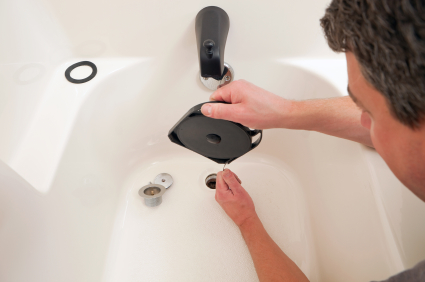
You might need to remove the trap (the U-shaped pipe under the sink) to open a clogged drain. Put a bucket under the trap to catch any water when you remove it. Clear out any residue in the trap before reattaching it. If you’re still having plumbing problems after removing the trap, try plunging the sink.

Use a Snake

If neither of those tips work, try using either an manual or electric snake. A snake is a metal spiral that you push into the clogged drain. You turn the crank and that makes the snake reach further into the clog. This makes you be able to break it up and pull it out.

Seek Professional Help

If your drain is still clogged, it may be time to call a plumber. One way to seek immediate service help for your drain problem is through TalkLocal. This free online service will contact plumbing services in your area for you. Just tell them your service need, location, and availability to talk to a professional on the phone in minutes.

How to Remove Smoke Odors From your Home

Tuesday, September 25th, 2012

How to remove smoke odors from your home Maid Services

Smoke not only smells bad, but when it lingers in your home, it can permanently ruin your carpets and furniture with its pungent odor. Learn how to remove smoke odors from your home by reading the tips provided below.

– There is a good chance that the odor has settled into your carpet, curtains and even the upholstery on your furniture. Try sprinkling baking soda over the surfaces of your furniture and carpets, and let it sit for a couple hours or even overnight, then vacuum it up. You may even need to steam wash your carpets.

– Be sure to wash or dry clean your curtains frequently. Try washing your walls and ceiling as well.

– Air out your house frequently. Open all doors and windows for an extended period to make sure a breeze is coming through.

– Place small bowls of vinegar or boxes of baking soda around your house to absorb the odors.

– You may need to resort to more expensive solutions, like repainting your walls, reupholstering your furniture, and/or recarpeting your floors.

– Lastly, try to avoid smoking in the house. It can make a huge difference.

If none of these suggestions are working, you may want to locate a maid or cleaning service to scrub your house clean. Check out TalkLocal, a free service that can connect you to high-quality, reputable cleaning services in your neighborhood within minutes. Simply enter your specific problem, location, and availability, and TalkLocal will find local companies who will then call you directly, ready to help.