Archive for the ‘services’ Category


How Much Should You Tip a Housekeeper?

Friday, December 14th, 2012

How Much Should You Tip a Housekeeper Maid Services

Tipping can be a fairly touchy subject. You want to tip the right amount, because too little gives a bad impression and too much is a waste. When it comes to tipping your housekeeper, finding the right amount can be difficult. How much should you tip a housekeeper? This really depends on the level of service.

The general consensus about tipping housekeepers is to tip them anything ranging from 15-25% of the pay depending on the quality of service. However, this only applies to one-time jobs. Usually, housekeepers are hired on a regular basis to come and clean several times a month. In this case, it is better not to tip them every time, but to just give them a holiday bonus. This can range from a week’s to a month’s pay, depending on how good the service is and how long they have been working for you.

A good idea is to give them a gift card instead of just a bonus because it is more personal. You could get them anything from an iTunes gift card to Fandango gift card, just make sure it’s something they will use. If you are looking for a good maid service, consider using TalkLocal to find one. Simply enter a brief description of your service needs along with your location and availability, and TalkLocal will match you to several highly rated maid services in your area for free.

Air Conditioner Alternatives

Friday, December 14th, 2012

Air Conditioner Alternatives Heating and Cooling

If you don’t have an air conditioner, are paying too much for central A/C, or just want to find some air conditioner alternatives to keep your house cool during the summer months, you have a few options:

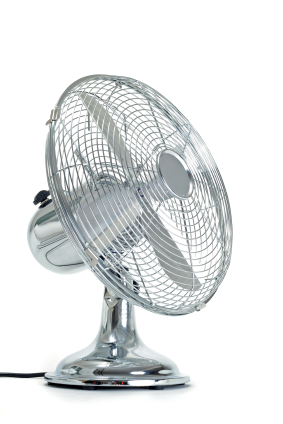
– Try setting up some small and/or standing fans around your house. Turn on your ceiling fans if you have them.

– Make sure to close your windows, blinds, and curtains during the day to keep the warm air out and the cool air in during the hottest hours.

– Fill up a glass bowl full of ice and place it in front of a fan. As the ice melts, the fan will create a chilled breeze throughout the area.

– Try taking a spare bed sheet, spray it with cold water, and put it up in front of an open window. The incoming breeze with blow through the sheet and create a nice, cool breeze.

– Cut down on activities that use up a large amount of electricity and create heat (i.e. turn off computers when not in use, air dry your clothes instead of using a dryer, or hand wash dishes instead of using a dishwasher)

– You can even consider getting ceiling fans installed. While the upfront installation costs may be steep, it can be a considerably less expensive option to central A/C.

If none of these alternatives work for you, you can find reputable HVAC specialists through TalkLocal. Contact them if you want to install a ceiling fan or if your A/C is broken and you need someone to come take a look. TalkLocal is a free service that will connect you directly with HVAC businesses in your neighborhood. Once you enter your location, availability, and problem into the service request form online, they will be with you on the phone with solutions for you!

How Can You Tell if Your RAM is Going Bad

Thursday, December 13th, 2012

How Can You Tell if Your RAM is Going Bad Computer Repair

A RAM stands for “Random Access Memory,” and is physically the computer memory chip that is handled for calculations, not storing data like the hard drive. Because the flow of memory on the chip is so volatile (constant shifting of data as the computer operates), the current modern technology cannot produce drives with higher RAM capacity as equal to the hard drives.   Sometimes RAM can go back inside the computer.  You might be thinking to yourself, how can you tell if your RAM is going bad?  This article should help answer this.

Signs That You Should Be Replacing RAM

1. Computer slowing down drastically whenever you do an extensive action, such as playing a high-graphics game or using/downloading a large file.

2. Computer crashing whenever you do extensive actions.

3. Large fan noise coming from a computer whenever you do extensive actions.

These are the basic signs that you should be replacing your RAM. To actually verify that your RAM needs an upgrade/replacement, run a test on each of the RAM modules installed on your computer.

You can do this buy borrowing a RAM chip from another similar computer (there are only certain types of RAM chips that a specific model can use), replacing that with the one you already have, and doing the usual processes that made your previous settings crash (extensive actions).

Assuming that the computer that you took the RAM chip from was previously able to perform those same extensive actions, you can tell if the RAM chip is the problem by seeing whether you experience the same symptoms after replacing the RAM chip.

If the computer still has problems with the extensive processes even with the new RAM chip, the problem is most likely with the computer, not the RAM chip. However if the computer works fine with the new RAM chip, then the RAM chip was the problem.

Consult a professional or conduct an online search to see which RAM chips work for your computer model. You may also wish to upgrade your current RAM chip (as in, upgrade the capacity to a higher memory) or completely replace it.

Additional Help

If you feel like you need professional help on how to replace your RAM, TalkLocal can help with finding the correct local experts, saving you time and energy in what may be a stressful situation.

Different Types of Garage Door Torsion Springs

Thursday, December 13th, 2012

Different Types of Garage Door Torsion Springs Garage Door Repair

Garage door torsion springs are the mechanisms responsible for lifting your garage door when you click the button to open your door. These springs store and release energy and hold the garage doors in place. They are also used in clothespins and clipboards. There are a few different types of garage door torsion springs.

Standard torsion spring

These are found most commonly on residential garage doors and are mounted above the opening of the garage door. A shaft that runs through the middle of the springs supports the spring. Generally garage doors use one spring for lighter doors and two for heavier ones.

Early set torsion spring

These springs are fairly similar to the standard types, but they are mounted in the center of the torsion shaft. The hardware used to install these springs is also different, and the springs are mounted on each end of the torsion shaft next to the cable drums.

Extension spring

Extension springs are fairly common and are installed parallel to the garage door tracks on either side. These springs wrap around the pulleys and attach to an eyebolt (a type of screw) that is mounted on the track.

Steel rolling door torsion spring

These springs are more commonly used in commercial buildings and are the ones that have the torsion spring located within the torsion barrel to support the rolling door.

One-piece curtain door spring

These springs are commonly found used on storage units. The curtain door springs are attached to either side of the torsion rod to hold the weight of the door, meaning there are two springs.

Torque master torsion spring

This is the safest of garage door torsion springs. These springs enclose on the inside of the torsion shaft and are held in place using a winding cone that is at each end of the torsion rod. However, these springs only wind by use of a power drill rather than the traditional winding bar.

Knowledge of the different types of torsion springs may be useful, but fixing a garage door is a whole different story. If you need assistance with fixing your garage door, consider using TalkLocal to find a garage door maintenance company for you. TalkLocal is a free service that will connect you with top-quality, garage door maintenance companies in your neighborhood within minutes. Just enter in your specific problem, location and availability, and up to three companies will call YOU directly, saving you the time and stress of finding one yourself.

3 Way Light Switch Not Working

Thursday, December 13th, 2012

3 Way Light Switch Not Working Electricians

3 way light switches are for lights that you want to control with more than one switch, like at the top and bottom of some stairs.  They’re simple to function and extremely convenient in usage, but sometimes they may become defective or malfunction, becoming both an inconvenience and a major safety hazard.

The 3 way circuit

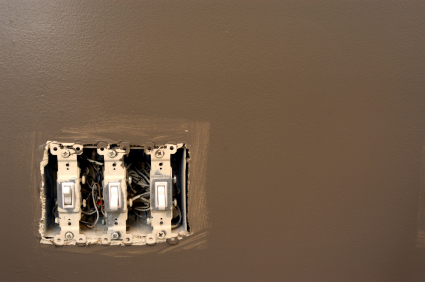
In order to repair the circuit, you’ll need to know some basics about how the circuit is wired.  The 3 way switch is the main player in the circuit, having one common terminal and two travelers terminals.  The common terminal is connected to a hot wire that usually leads to the lighting fixture or the main board, while the traveler wires lead to the other three way switch.

Repairing the circuit

The most common problem you’ll encounter is having a defective three way switch.   You should replace both switches as the same time, since it’s often very difficult to find out which switch is defective and additionally, if one has failed, the other can’t last much longer either.

When replacing the switches, you need to attach the common wire (black) to the common terminal on each new switch and reattach the insulated wires (white) on the travelers terminals.  If you connected the right wires to the right terminals, then you should simply be able to replace the switches into their boxes and turn on the power to see the switches work.

If the circuit still isn’t working, then you most likely incorrectly attached the incorrect wires to the terminals.  In this case, you’ll first want to use a multimeter to check for the hot wire; there should only be one hot wire in this case, which will be your common wire.  Attach that to the common terminal of the first switch and then turn off the power.  Go to the other switch and set your multimeter for continuity (or infinite resistance) and then ground one probe and touch the other three wires.  The common wire should be the only one to register resistance and that will now be your common wire for the other switch.  Attach the appropriate wire, and it should work.

If you followed the steps above and still could not get your 3 way circuit to work, then you may want to consider finding an electrician to fix this circuit, as there may be other factors or wiring issues.   TalkLocal can help you find an high quality electrician in just minutes.  It’s fast, easy and best of all, free!

Why is My Jaw Popping

Thursday, December 13th, 2012

Why is My Jaw Popping Dentists

A clicking or “popping” jaw may an incredible annoyance to you whenever you eat or chew food. Since the jaw is located so closely to your ear, you may hear and feel the popping much more distinctly than you do when you crack your joints. You might wonder, why is my jaw popping?

Why does the jaw pop?

The jaw is connected to your skull via a ball and socket join and the clicking noise comes from when the joint pops out of position and then returns, creating an audible “click”.  Your jaw muscles allow you to open and close your mouth, but if any of these muscles are injured, the different sides of the jaw will open and close at different rates, popping the joints out of position.

What caused the jaw popping?

There are a couple of potential causes for jaw clicking.  If you have bruxism or grind your teeth during your sleep, you may have pulled your jaw muscles and caused the clicking sounds.  Likewise, chewing tough foods or prolonged chewing may injure your mandibular muscles.  Trauma to the jaw area, such as a sharp impact to the face, can damage or even rip the jaw muscles, forcing your jaw to create the “popping” sound.

What should I do about it?

If you leave the jaw clicking untreated, you’ll eventually severely damage the joint and even may lead to complications such as facial pain and jaw locking.  You should talk to a dentist as soon as possible so that they can diagnose you.  You may want to use TalkLocal, since it will connect you to a local high quality dentist in just minutes, so you can fix this jaw popping problem as soon as possible.  Once you schedule an exam, the dentist can check your teeth and mouth for signs of bruxism and recommend the necessary lifestyle changes.

Remember that your jaw muscles, just like any other muscles in your body, need rest.  Avoid anything that require excessive chewing such as chewing gum and tough steaks.  Always follow the directions of your dentist and you’ll have the popping gone in no time!

Cutting a Tree Down Safely

Thursday, December 13th, 2012

Cutting a Tree Down Safely Tree Removal

Whether a strong storm just blew through your neighborhood, or you have a dead tree in your yard that looks like it might fall down soon, it is possible to cut it down on yourself. It’s extremely important though for you to take the appropriate precautions, and to only complete such a task if you have the relevant experience.

Here’s a list of the things for cutting a tree down safely:

– eye protection
– ear protection
– working gloves
– chainsaw
– axe

How to cut down the tree:

1. Examine the area around the tree and figure out which way the tree is leaning. When you decide which direction you want the tree to fall in (it will most likely have to be in the direction the tree is leaning), be sure that area is clear and is big enough for the tree to land in without causing any other damage.

2. Clear out a couple of escape routes, either to the side or at a 45-degree angle from the direction you expect the tree to fall.

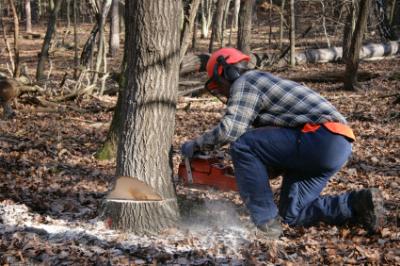
3. The first cut you will make is a wedge cut. On the side of the tree where you want it to fall, use the chainsaw to cut a notch slightly above the base of the tree. This notch should be about a third of the diameter of the tree. Next, at about a foot above the first cut, take your chainsaw and make an intersecting cut at a 45-degree angle to the tree. This should make a wedge-shaped cutout of bark. Remove this piece.

4. Go back around to the other side of the tree, opposite of the wedge cut you just made. About 2 inches above the level of your first horizontal cut, make a parallel cut on this side of the tree, and start sawing through. This should be a SLOW process, and it is critical to keep your eye on the tree.

5. Stop sawing when you are about three inches away from edge. If the tree isn’t falling, give it a small push.

You can also check out this helpful YouTube video which explains the process thoroughly.

If the job at hand is too large or too difficult to complete on your own, it may be a better idea to contact an experienced tree removal professional. Try using TalkLocal, a free service that will connect you with top-quality, reliable tree removal companies in your neighborhood, within minutes. All you need to do is enter in your problem, location, and availability and TalkLocal will contact multiple professionals, who will then call YOU directly, ready to help.

How to Clean Catalytic Converter

Thursday, December 13th, 2012

How to Clean Catalytic Converter Auto Repair

Catalytic converters

A catalytic converter is a vehicle emissions control device that converts the chemicals created by combustion in the engine into substances that are far less toxic.  The invention of the catalytic converter has mitigated the problems of acid rain and smog, but they still need to be maintained and cleaned before they become clogged.

A catalytic converter is typically used in the exhaust systems of different cars and trucks, but is used in motorcycles, airplanes, forklifts, buses, and other vehicles that are fitted with engines, as well.  A catalytic converter gets rid of hydrocarbons, carbon monoxide, and nitrogen oxide gas.  If you are worried your catalytic converter may be failing, look for signs such as stalling at high temperatures, a sulfuric smell emanating form the tailpipe, and a sluggish throttle response.

There are a few types of contaminants that can affect how your catalytic converter works, as well.  Lead can ruin your converter, as can phosphorous and silicone.  These materials can reach the catalytic converter by means of engine additives, motor oil, and engine leaks.  If your converter has been exposed to these and you are wondering how to clean the catalytic converter, don’t fret – there are ways.

How to clean catalytic converter

There are products out there that claim to clean your catalytic converter, but the ones you want to look for are ones that are long-term fixes rather than temporary fixes.  This means you will probably want to replace your catalytic converter if you have run into problems with it.  Using products simply delays the inevitable and could lead to more severe problems.

If you have read through this and believe you need to get your catalytic converter replaced, consider using TalkLocal to find you an auto repair specialist in your local area.  TalkLocal is a free service that will connect you with top-quality, auto-repair companies in your area within minutes.  Just enter in your specific problem, location and availability, and up to three companies will call you directly, saving you the time and stress of finding one yourself.


Foreign Travel Safety Tips when using Taxis

Thursday, December 13th, 2012

Foreign Travel Safety Tips when using Taxis Taxicabs

As opposed to walking or riding the subway, catching a taxi in a foreign country is usually a more efficient and safer option, especially if you don’t know where you’re going.  However, there are aspects of taking taxis that can be dangerous that you should always be aware of.  Remember to practice foreign travel safety tips when using taxis at all times to prevent any possible dangerous situations.

When traveling abroad, it is easy for the country’s locals to notice that you are a foreigner.  In this case, it is imperative to take extra precaution with your belongings and to remain aware of your surroundings. Here are some tips to take into consideration before venturing around by taxi in a foreign country:

– Only enter a taxi after locating a taxi stand.  These should be easy to find; you will see a marked sign with a long line of parked taxis.  Approach the first taxi in the line, and enter one there.  Be sure to take notice of the particular taxis as well.  If the taxi doesn’t look like others, it may be a “fake” – stay away from these.

– Be sure to know the name of the place you’re going, in the foreign language.  If possible, locate the exact address as well.

– Keep your personal belongings close and in sight.  It is very common to set down your phone or wallet on the seat next to you, and then get out of the taxi without picking it back up.  If you have heavy luggage, keep it next to you in the back seat if possible, as opposed to paying extra to use the trunk.

– Take down the taxi phone number, in case something does happen and you need to get in contact with the company.  Taxi companies often attach business cards to the back of the seats for easy acquisition.  It can also be helpful in the future if you need a taxi and aren’t close to a stand.

– If you are coming out of an airport, try to locate legitimate taxi sharing services to save on your fare.  Don’t let anyone push you into a taxi if the area is crowded, but instead try to locate an airport employee and ask about transportation services.  Try to observe what other tourists are doing to find the safest, easiest or cheapest option.

– When you do find a taxi, locate the meter immediately.  Make sure it hasn’t already started running before you even get in the car, (this is an easy way for drivers to rip you off.) If the taxi doesn’t have a meter, you’re probably better off by not getting in.

– Be sure to research the tipping procedures for your specific country.  In some countries, tipping the driver is not expected, (as fares may already be expensive enough to cover it.) In others, a 10% tip may be appropriate.

– Make sure to always have enough cash.  It’s better to over-budget a taxi ride than to under-budget and not have enough to pay for your fare.

Need help locating a taxi near you? Try using TalkLocal, a free service that will connect you to local taxi services within minutes.  Simply enter in your problem, location and availability, and TalkLocal will contact taxi companies, who will then call you directly, ready to help.


Tree Branch Uses

Wednesday, December 12th, 2012

Tree Branch Uses Tree Removal

Tree branches can fall off during a storm, when you are trimming a tree down, or when something heavy hits them.  You shouldn’t just throw these branches in the trash because there are a ton of different things you can do with them.  Tree branches are versatile and appealingly woodsy without being dirty or causing messes. Read on to learn more about tree branch uses.

Things you can make with tree branches:

– Twig Lamps/Shelves – Surround existing furniture with wood/twigs to give them a natural look.

– Bean or Pea perch – The branches will act as natural support in the garden on which beans and peas can grow.

– Rustic coasters – Cut slices of a thicker branch and finish them to use as coffee table coasters.

– Stepping stones – Use slices of the tree trunk as stepping stones in your yard.

– Coat/Key Holder – Hang a coat or keys on branches with small upward jutting extensions.

– Home décor – Plant large interesting looking branches in pots or cut unique slices and put around your house like mineral rock rounds.

– Dog Toy – Give branches to your best friend as a chew toy or fetch toy. Watch for splintered pieces.

– Vase – Hollow out the middle of thicker stumpy branches.

– Table centerpiece – Decorate a bunch of branches with ribbons and bows. Then, place them in a clear vase.

– Family tree – Attach branches to a poster board or within a frame. Attach family pictures and start labeling.

– Slingshots – Using a Y-shaped branch, attach a rubber band to the end of each split.

– Curtain holder – In place of metal rods

– Paper towel stand

– Kindling for fire

Leftover branches

If you have more tree branches than you do ideas, TalkLocal can help you find a local tree removal service.  Just enter your problem and availability onto the TalkLocal website and let them do all the work.  Within minutes you will be connected to someone who can help you out around your schedule.