
Archive for the ‘services’ Category


Speedometer Not Working in Honda Civic

Wednesday, December 12th, 2012

Speedometer Not Working in Honda Civic Auto Repair

Your speedometer is an important part of your car.  It helps you to gauge how fast you are traveling.  It also helps you understand how long it will take you get to your destination, as well as helps you stay within the speed limit. Read on for some helpful suggestions if the speedometer is not working in your Honda Civic.

Potential problems

–  Variable speed sensor

–  Exhaust gas recirculation system

–  Wire pack at rear of engine

Variable speed sensor

One thing that could be causing your speedometer to malfunction is the variable speed sensor unit.  Located on the transmission, it could stop working because the connection to display the speed is corroded.  You should replace the wire that connects the sensor to the display.  The VSS is the direct communicator between the speedometer and the speed, so this is usually what will cause the display malfunction.

Exhaust gas recirculation system

Another potential issue could be with the exhaust gas recirculation system.  If it is turned on when your vehicle goes over 10 miles per hours, it could be the cause of your speedometer display issues.  It could lead to an incomplete combustion that fries your cars ability to show how fast you are going.

Wire pack at rear of engine

If neither of these seem to be the issue, you should check under your hood.  Near the rear of the engine is a pack of wires.  They sometimes rub on the bottom against a piece of metal and this creates a short circuit.  This will screw up the speedometer as well as turn on the check engine light.  You simply need to crawl under the car and gently turn this pack of wires over and tape them up so that they will stop shorting out.

Continuing problems

If you continue to have problems with the speedometer in your Honda Civic malfunctioning, you should seek professional help.  Use TalkLocal to be put in contact with reliable local businesses almost immediately.  Simply input your problem, location and availability, and TalkLocal will do the rest.  Within minutes, you should be connected to a qualified auto repair professional who is willing to help.

What are the Different Types of Limos?

Wednesday, December 12th, 2012

What are the Different Types of Limos? Limo Rental

The term limousine refers to a luxury vehicle, generally longer than an average car, that is driven by a chauffeur.  Limousines are conventionally black or white, yet there is also a plethora of custom made limousines by various companies that can range in color, shape and amenities that may even include hot tubs or jacuzzis.  Limousines are by far the most expensive form of transportation and give off an image of wealth and/or power.  In addition to the wealthy users of limousines, people treat themselves to limousine transportation for special events such as weddings, proms and other extravagant parties. Politicians and other high ranked government officials are also frequent limousine users. What are the different types of limos?  Read on for more information.

Sedan limousine 

There are many different types of limousines that vary in size and other features.  The smallest limousine is the sedan limousine.  This limo is generally the cheapest to rent as it only fits 2-3 individuals comfortably.  This limo is generally most commonly rented for airport travel.  This type of limousine can also be used as an alternate to a taxi cab.  The most common sedan limousine is a Lincoln Towncar and is generally black.

Stretch limousine

Stretch limousines are similar to sedan limousines, expect they are longer.  There are three types of stretch limos that vary in size.  There is a six-pack, eight-pack and a ten-pack.  The stretch limousine is a good option for a smaller gathering.  Be aware, though, that even though a limousine may claim to fit 10 people comfortably, it may be a little uncomfortable and cramped.

Super stretch limousine

There are also super stretch limousines.  Super stretch limousines come in many different models such as Towncars and Bentleys, and they even come in SUV’s such as Excursions, Escalades, Hummers and more.  Super stretch limousines are a great option for parties where everyone wants to travel together.  These limos fit anywhere from 14-20 people comfortably.  Some models even include a fifth door for easier entrance/exit for the passengers.  There are many amenities included inside such as televisions, bars and exotic lighting.  Make sure you have a professional and licensed driver that you can trust because driving a lengthy vehicle is difficult to drive and turn.  Super stretch limousines are the most popular option and surprisingly one of the most popular colors are pink.

Party bus

Party buses have been rising in popularity recently.  Party buses provide the same luxuries as other limousines, yet they are large enough to comfortably stand up, walk around and stretch your bodies out.  These buses are ideal for partying on the go as many buses have dance poles in addition to lighting that is reminiscent of a club.  Party buses are the best option for fitting the most passengers as they can fit up to 44 people.

The price difference between a sedan limousine and stretch limousine are minimal, thus when booking a limousine for the airport or a business trip ride in a stretch limousine for an additional small fee.  If you are looking for a good limo service for an upcoming event, use TalkLocal.  This completely free service will connect you to up to three highly rated limousine companies in your area within minutes.

When Should I Fertilize my Lawn

Monday, December 10th, 2012

When should I fertilize my lawn Landscapers

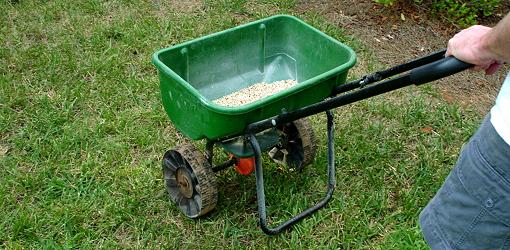
Fertilizing your lawn is an important step to maintaining a good-looking lawn. A lawn needs food just like any other plant, and fertilizer is the only way to feed it. A properly fertilized lawn is healthier, meaning it can battle through severe weather conditions more effectively. You may be asking yourself, “When should I fertilize my lawn?” Feeding your lawn even once a year can improve its condition, but feeding it four times a year is even better. Putting your lawn through a schedule like this can make your lawn look lush and green.

First Round

Early Spring (February thru April) is the first time during the year where you will want to fertilize your lawn. During this period, food is of the utmost importance if you want to have a lush lawn during the year. Feeding your lawn in the spring strengthens the roots and gives it the food it needs to grow.

Second Round

The next period where you will want to feed your lawn is in late spring, from April to June. During this time, your lawn is using up its stored energy and needs more to continue its growth. However, this is also around the time where weeds begin to sprout, so you will want to get rid of these to continue your lawn’s growth.

Third Round

The summer months of June through August are the next stage of the feeding schedule. These summer months are important because heat, drought, insects, and storm damage can all take their toll on a lawn. Feeding your lawn during this period helps to strengthen the lawn and protect against these problems.

Fourth Round

The fall months of September through November comprise the last timeframe for fertilization of your lawn. These months generally have cool nights, plenty of rainfall, and morning dew — basically as good as it gets for lawns. Apply the final feeding before the winter months and the cold kick in. This will allow for a healthier and greener lawn the following spring.

Professional Help

Following a plan like this will allow you to keep your lawn lush and green and capable of handling any problems that may test the strength of your lawn. If you would prefer professional help, consider using TalkLocal to find a landscaping specialist for you. TalkLocal is a free service that will connect you with top-quality, landscaping companies in your neighborhood within minutes. Just enter in your specific problem, location, and availability, and up to three companies will call YOU directly — saving you the time and stress of finding one yourself.

Get Rid of Carpenter Ants in the House

Monday, December 10th, 2012

Get Rid of Carpenter Ants in the House Pest Control

Carpenter ants are some of the most aggressive wood destroyers found in nature, but it’s incredibly important to know that carpenter ants don’t eat wood for food. Rather, they simply tunnel through wood to enlarge their nest — but this excavation can be extremely costly and expensive to homeowners. In order to get rid of carpenter ants, you should only use bait or non-repellent insecticides. Read on to learn more about how to get rid of carpenter ants in the house.

Don’t spray without thinking

Simply spraying exposed ants without thinking about the consequences may actually exacerbate the problem. Many chemical repellents and insecticides will force the ants to simply avoid the sprays. If you find the nest and spray close to the nest, the queen may actually split the colony into multiple satellite nests, making ant control very difficult.

You also want to make sure that your problem is actually carpenter ants, rather than termites. You can find this out by checking the frass, or small piles of excavation material. These small piles should have dead ant material and small wood chips and should not be confused with sawdust or drywood termite fecal pellets.

Baiting the ants

Bait is one of the most effective carpenter ant solutions. You should apply these baits in small quantities (like a teaspoon) near the nest and then check it periodically to see whether or not the ants are still eating it. As long as the ants keep on taking it, keep on replacing the bait since the colony may have thousands of ants.

Alternatives to bait

You can also use non-repellent spray insecticides or dusts. The ants will crawl through the dust or spray without realizing it and eventually, within a week or two, die off.  It’s imperative that these alternatives are non-repellent so that the carpenter ants aren’t forced to begin satellite colonies.

Ultimately, if you have a significant problem with carpenter ants, you should professional pest control company to get rid of your carpenter ant problem. TalkLocal can connect you with a high quality local pest control expert in just minutes, so you can have this ant problem wrapped up as soon as possible.

How to Kill a Tree without Cutting it Down

Monday, December 10th, 2012

How to Kill a Tree without Cutting it Down Tree Removal

Trees are part of landscaping that can beautify a lawn or community.  A tree-lined avenue can truly improve the look of a road.  However, these trees can overgrow or become damaged, resulting in a negative appearance for the neighborhood. Luckily, there is a way to deal with this problem. Below are tips for how to kill a tree without cutting it down.

Some people find themselves between a rock and a hard place with their neighborhood trees.  They want to get rid of certain trees, but they don’t want to pay for the process of getting it cut down. By killing it first they can get around the financial burden because the city will remove any dead trees for free.

There are a couple different options for people to pursue to kill trees without cutting them down.  The easiest is to cut a thick ring around the bark at the base of the tree trunk.  You can chip the bark off in a wide circle to be extra sure that this will work.  This process works because it exposes the inner tree to the elements and to disease.  It also scars the trunk so that it cannot absorb nutrients properly and then the tree begins to die from lack of sustenance.

You can also try to pour gasoline around the base of the tree so that the roots will absorb it.  This toxic substance will also speed the killing process.  If you want to move on to another option you can drill holes into the trunk of the tree.  Remove the bark where you want to drill and using a power drill and biggest drill bit to take out a deep hole from the base.  Fill this area with a mixture of diesel and roundup for the tree to absorb.  Superglue the bark back into place to hold everything in.  Repeat this process around the entire base and this should kill the tree within six months.

Continuing Problems

If you have more questions about what you can do to kill a tree without cutting it down, you should try to talk to a professional so that you can get the best help possible.  The easiest fastest way to get in contact with reliable local landscaping service businesses is to use TalkLocal. Just put in your problem and availability and let them do all the work.  Within minutes you will be connected to someone who should be able to help you out.

Measuring Blinds for Bay Windows

Monday, December 10th, 2012

Measuring Blinds for Bay Windows Window Replacement

Measuring blinds for bay windows is fairly easy and can be done at home.  There are many types of bay windows including Roman bay windows and vertical bay windows.  The following steps cover how to properly install and measure your blinds for bay windows.

Measuring blinds for bay windows:

1.  Pick out your blinds of choice

2.  Place the blinds in the left, center and right panels.  The intersection points of the blinds should be your key focus when measuring.

3.  Notice the points of intersection and measure how long the left panel must be to properly fit in place from the intersection point marked A to the opposite end of the left panel (the window frame).  This is the length of the left blind.

4.  Measure the far end of the right blind (the window frame) to the intersection point marked B.  This is the length of the right panel.

5.  The length of the center panel is the measurement between intersection points A and B.

6.  When taking into account the brackets, add 2 inches to the height.

7.  Place the outside mounts directly outside the window frame.

Because there will inevitably be a gap due to the nature of the angles of bay windows, it is best to have a professional install the windows.  This will reduce the amount of gapping and the amount of light leaking into the room.  Use TalkLocal to be connected for free to a professional in your area within minutes.

Trunk will not Latch

Monday, December 10th, 2012

Trunk will not Latch Auto Repair

Leaving your trunk open when you are driving is illegal in some states, especially if it is not secured by cables or ropes. An open trunk can obstruct your view and put you and others in danger. Most people do not forget to close their trunk, but rather, are unable to because the latch broken. If the trunk will not latch on your car, try the following solutions before visiting a repair shop.

Clean up

If your car is dirty, debris can prevent the latch from connecting to the chassis correctly. Examine the area around the latch and chassis. Remove any large parts pieces of dirt with your hands. Go back with a vacuum and remove small pieces that you cannot grab.

Apply pressure

You need two people to do this: one inside the trunk and one outside. Have somebody get into the trunk of your car. Once one person is inside, the person on the outside should push down on the trunk at the same time that the person inside releases the release mechanism. The trunk can sometimes get jammed, but applying gentle pressure should fix the problem. Furthermore, you can add some lubricant to the problem area.

Check for trunk damage

If there is a dent in your trunk, the latch my not be able to align properly. You can pop the dent out yourself if you have the right tools. Otherwise, take your car to a repair shop.

Check for latch damage

If the latch is bent out of shape, it may not attach properly to the car. Look for any damages on the latch that would prevent it from fitting. Has something recently hit your car? Have you used a lot of force on your trunk? If you find damages, find a replacement piece for your car from a local garage or your car manufacturer.

Additional Help

If you need help finding a local garage that has your replacement part, use TalkLocal. Fill out a service request online and specify the car part you need. Then TalkLocal will match you with up to three local repair services that have the item in stock and can meet when you are available. Don’t waste time visiting repair shops that can’t help you; let TalkLocal do the searching. After submitting your request, you will recieve a phone call from a local business within minutes!

What Type of Animals do Veterinarians Work With?

Monday, December 10th, 2012

What Type of Animals do Veterinarians Work With? Veterinarians

Know what type of animals veterinarians work with is important for your pet’s safety and health. There are many types of animals that veterinarians work with, inside and outside of their main offices.  Knowing where to take your animal can be confusing if you do not understand the different types of veterinarians and their roles.  The following is a break down of the types of animals that veterinarians work with.

–  Companion animal veterinarians: These specialized veterinarians are mostly located at the private practices you see while driving through your neighborhood.  In these clinics, vets work with dogs and cats, along with other pets such as rabbits, birds, hamsters and ferrets.  This is the place to go when seeking health related questions and procedures (from operations to vaccinations) for your pets.

–  Equine and Farm: These two types of veterinarians work on horses and farm animals, respectively.  Within this group are horses, cattle, chickens, turkeys, alpacas, sheep and many more.

–  Marine veterinarians: This section of vets work in places ranging from amusement parks to research facilities.  Marine veterinarians work with marine animals such as whales, dolphins, sea turtles, sharks and sea lions.

–  Research veterinarians: Researchers have an important role in not only developing vaccines but also studying animal behavior while in captivity or around humans.  Usually you can find these vets in research labs within medical facilities or pharmaceutical companies.

–  Food safety veterinarians: A large number of veterinarians fill this category.  These vets have the role of ensuring the food safety of inspecting the products from animals that will go on the market.  They make sure all products are compliant with governmental regulations.

If you are unsure who to call when seeking advice about your animal, or would like to schedule an appointment, use TalkLocal.  Within minutes you will be connected to up to three veterinarians in your area willing to help.

Apartment Cleaning Checklist Before Moving Out

Monday, December 10th, 2012

Apartment Cleaning Checklist Before Moving Out Maid Services

Moving out of your apartment can be a hassle, especially making sure your apartment is squeaky clean before you leave. Make the transition easier by using an apartment cleaning checklist before moving out. The following is a list of common locations throughout your apartment that need to be cleaned in order to avoid extra costs added to your final rent payment.

What you will need:

– Cleaning products (Soft Scrub, 409, Pledge, Pine Sol, etc.)

– Mop & bucket

– Paint brushes & paint

– Sponges

– Broom & dustpan

– Various cleaning & dusting cloths

Cleaning the kitchen:

– Dishwasher – Make sure all of your dishes are done and out of the sink so you can have plenty of room to clean the rest of the kitchen.

– Stove and Oven – It is best to unplug the oven/stove before cleaning it. Use 409 to clean the surfaces of appliances such as stoves, ovens and refrigerators. When cleaning the oven and stove, remember to clean under and behind it as well. The unit is usually quite easy to slide out from its normal location. To clean the inside of the oven, use baking soda with water as a great, cheap cleaning agent.

– Refrigerator – As with the stove/oven, clean behind and under the refrigerator. Also clean the outside surface for scuff marks and other residue buildups. Using 409 is great for the exterior as well as the shelves and the inside.

– Counters and Cabinets – Pledge is a great option for cleaning the surfaces of your cabinets.

Cleaning the bathroom:

– Toilet – Use a toilet brush to remove any water stains. In addition, disinfect the bowl and rim.

– Counters, sinks, medicine cabinet – Wipe down all of these areas to freshen them up and get rid of any water marks.

– Shower – Use a towel and wipe down the inside of the shower and clean out the drain.

 Cleaning floors and carpet:

– Floors – Sweep the floors to get rid of any large objects and follow it up with a mop (usually with Pine Sol and water) to get rid of the dust particles.

– Carpets – Vacuum the carpets and sprinkle baking soda to get rid of any musty smells.

Other things to remember:

– Walls – Use a warm, wet cloth to wipe down the walls. Also, paint over any scuffs, repair any holes, and take out extra nails, etc that you may have used to hang objects throughout your apartment.

– Trash and Recycle Bins – Go throughout your apartment and get rid of any extra trash that you may have collected after going through the apartment cleaning checklist before you move out.


If you read through this list in preparation of moving out and realize that you don’t have the time or effort to thoroughly clean your apartment, consider hiring a made service to professionally take care of the job. Use TalkLocal to connect you to several highly rated maid services in your area within minutes.

How to Change your Shower Head

Friday, December 7th, 2012

How to Change your Shower Head Plumbers

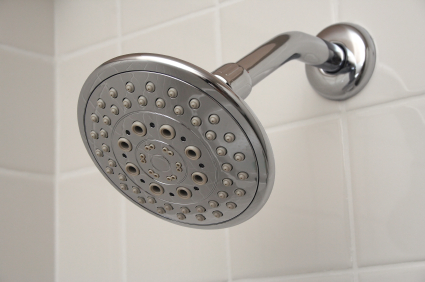
Changing your shower head is one of the quickest and easiest ways to make your bathing experience more enjoyable. It is amazing the difference that water pressure can make with a quality shower head. You can go from a mediocre shower experience to a truly relaxing experience that will help you unwind after a long day. Check out the following steps for how to change your shower head to create a soothing, comforting environment in your shower!

A few things to consider:

–  Do you have a wall-mounted faucet or a ceiling faucet?

–  Would you like to replace your current system to a self controlling handle that is connected to a line of tubing so you can direct the shower head wherever you would like?

–  Check out your water pressure. Make sure your water pressure is adequate for the type of shower head you are pursuing. If the water pressure is too low and you would like to purchase a rain shower head, it may be quite frustrating to have very little pressure as you attempt to wash your hair.

The five steps to change your shower head:

1. Turn off the water supply.

2. Remove the previously installed shower head and remove any excess dirt or debris around the attachment site.

3. Apply the Teflon tape clockwise around the attachment site to provide a cushion to prevent leaks. Applying the tape clockwise keeps it from coming undone as you tighten the new shower head. The Teflon tape seals the connection between the wall and the shower head to prevent leaks.

4. Follow the instructions for the new shower head and attach it to the wall.

5. Point the head away from you and turn on the water. As the water flows into the bath, make sure there are no leaks. Stand back and gaze at your completed project! After that, jump in the shower and get clean because you probably smell bad after your hard work!

If you are having trouble or would like professional plumbing help, check out TalkLocal! You will be directed to quality plumbers right in your neighborhood who can help you out at a time that works best for your schedule! Give TalkLocal a try — best of all, it is free to use!