
Archive for the ‘services’ Category


Tools for Landscape Design

Thursday, October 4th, 2012

Tools for Landscape Design Landscapers

Landscaping is a large project to undertake on your own, but if you are willing to put in the time and effort, the end result could be amazing. A good landscaping job makes your house look clean and attractive. If you have the right equipment, you can easily achieve the same look as if you hired a professional.

A common mistake some people make is buying too much equipment without knowing exactly what they need or what they want to do.  You should take the time to plan out what you want your lawn to look like.  You can do this very easily but using online landscape design programs. There are many different options for you to choose from when looking for tools for landscape design.

The basic equipment you will need include the following:

– Leaf Blower

– Line/Hedge Trimmer

– Lawn Mower

– Hand Tools: spade, shovel, hoe, etc

– Wheelbarrow

– Edgers

– Safety Equipment: gloves, goggles

You can also go all out and rent more serious equipment if you need:

– Trucks

– Trailers

– Chainsaws

– Bed Edging Materials

– Water Features

– Herbicides, Insecticides, Fungicides, and any other cides!

If you are looking for a professional opinion on landscaping for your lawn, you should seek specialized help. Use TalkLocal to be put in contact with reliable local landscaping businesses.  You don’t have to do any work. Simply input what service you are looking for along with your availability and you will be connected to a qualified company who can help you out almost immediately.

Rusted Door Lock

Thursday, October 4th, 2012

Rusted Door Lock Locksmiths

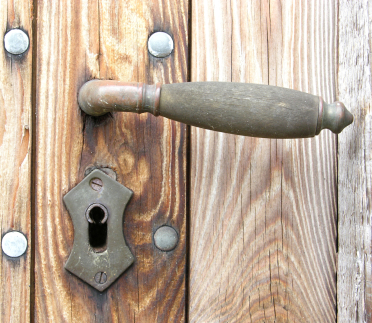
Just like anything made of metal, door locks can get rusted over time, especially if they are on the outside of your home and get exposed to moisture. If you let enough rust build up, it can start to impede the lock mechanism from turning, block up the keyhole, or even completely freeze the lock. Once it is in this state, it may seem like your lock is completely unrecoverable, but there are some tricks you can use to get it functioning again. Keep in mind that some locks really will be rusted beyond hope of salvation, so if you are still having issues after reading these tips on how to fix a rusted door lock you might need to replace yours with a new one.

Outright replacement is our last resort, however. First, try applying some WD-40 to your rusted lock.  WD-40 is a lubricating oil that has a wide variety of uses and is available in any grocery, convenience, or hardware store. Try to find some that comes in a spray bottle; this will be easier to work on your locks with. Once you get the WD-40, spray it liberally into the keyhole of the lock and around the bolting mechanism. Your goal should be to get as much of the oil into the inside of the lock as possible. After applying the oil, let the lock sit for about thirty minutes to dry and then wipe away any excess. Then, insert the key and gently turn it side to side to knock away the rust that has been loosened by the oil. If there is a large amount of rust build up you may need to use a small cotton swap to wipe it out from the inside of the keyhole.

Depending on conditions, you may need to repeat this process several times to get all of the rust out and your lock back to working order. Once you have gone through four iterations without any success, it is probably time to give up on the lock. Luckily, you can use TalkLocal to find a locksmith in your area and have someone on their way to replace your busted lock in just a few minutes. All you need to do is enter your location, availability, and a description of your problem and TalkLocal will connect you automatically to someone who can help.

How to get Rid of Allergens in your Home

Thursday, October 4th, 2012

How to get Rid of Allergens in your Home Maid Services

When allergy season comes around, we often run indoors in an attempt to escape from the allergens outside. However, our allergies might actually get worse while we’re indoors due to trapped allergens within our house. By taking the right preventive measures, you’ll be able to make your home a safe zone for those who suffer from allergies. Try the following tips on how to get rid of allergens in your home:

– Dehumidify your home and keep it cool. Mold and dust mites thrive in hot and humid areas.

– Your heating and cooling system should have a small-particle filter that is cleaned or replaced often.

– Exterminate cockroaches and mice that bring allergens into your home.

– Use dehumidifiers and air conditioning, in addition to closing your windows and doors during hot weather in order to prevent mold.

– Clean surfaces that are often exposed to allergens every week, such as windowsills, the sides and tops of doors.

– If you have carpet, vacuum at least twice every week. Carpets are notorious for trapping allergens, and if possible, you might consider switching to wood or linoleum floors.

– Don’t smoke indoors, as cigarette smoke can trigger allergies.

– Keep pets outside if you’re allergic to pet dander and brush them often to get rid of excess hair so they won’t shed all over your house.

– Wash your bedclothes at least once a week at high temperatures.

– Roller type shades are better than horizontal blinds. Curtains made of synthetic materials or plain cotton also trap less allergens.

– Dry the bathtub and enclose the bathtub after use to prevent mold.

– Remove the obvious mold that’s already there, usually located in moist areas like near the faucet, in the bathtub, and around the toilet.

– Repair leaks as soon as you find them.

– Upholstered furniture tends to trap more allergens than plastic, leather, or synthetic types.

– Avoid potted plants indoors.

– Install an exhaust fan in your kitchen.

– Make sure there’s no food left out for long periods of time, including dirty dishes.

– Throw away old food in the refrigerator often.

– Take out the trash every day.

Maintaining a clean household is the key to preventing allergens from taking over your home. Not everyone has the time for this, so use TalkLocal for free to hire a professional maid who will keep your home allergy-free for you.

Proper Engine Break In Procedure

Thursday, October 4th, 2012

Proper Engine Break In Procedure Auto Repair

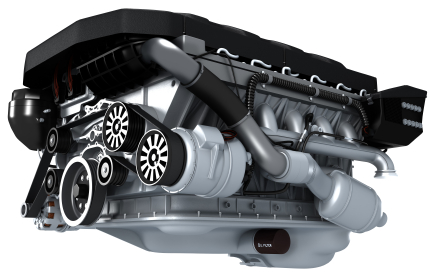
When you buy a new car with a fresh odometer, there are a few thing to keep in your mind. One of them is the fact that the first couple hundred miles of your car’s engine is very important on your engine’s overall life.

What is the proper engine break in procedure? The main goal of breaking in an engine is to wear out the piston rings in your engine just enough so that the rings fit into the cylinder walls perfectly.

A good fit will allow for an engine to achieve a better power (efficient combustion of gasoline) while consuming less oil. A more efficient combustion is also good for the environment as an efficient combustion leaves behind no atmospheric pollutants like carbon monoxide.

How to Do It

Opinions on a proper engine break in procedure differ amongst experts. However, the most accepted method is “cross-hatching,” a process that is designed to wear out the piston rings by roughening up the cylinder walls. To do this: first, roughen up the sides of your cylinder walls by using a metal file of a sort. Be careful to be thorough all around the circular walls, while not making any deep scratches. If you file too deep, you can end up making a hole between the different cylinders—this results in a broken engine.

The additional friction created by the roughened surface will wear down the piston rings, which causes bits of piston rings to stick in place of the roughened gaps. This provides a better fit between the piston and the ring, leading to a more efficient combustion.

Consult a Professional

Different cars have different engines and a particular type of engine break-in may not be suitable for your specific car. Consult your local professionals and give them information about your car before you attempt to make any changes to your engine.

TalkLocal can help with finding the correct local experts to help you in this case, saving you time and energy in what may be a stressful situation.

Toilet Handle Doesn’t Come Back Up

Wednesday, October 3rd, 2012

Toilet Handle Doesn't Come Back Up Plumbers

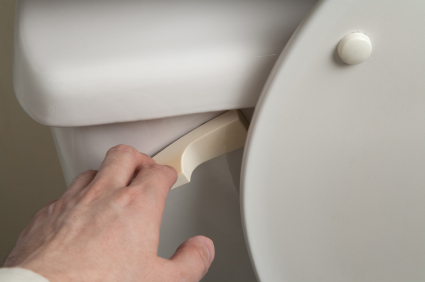
It’s a very annoying problem when your toilet handle doesn’t come back up. Before calling a plumber or attempting to replace the handle completely, try these tricks that might help you get it working again.

– Press lightly on the handle. Sometimes the latch inside the reservoir behind the seat gets disconnected from the water pump.

– Pushing the handle down can sometimes reconnect a loose wire. Bring the handle up and down a few times to feel for restored tension in the handle. If you are lucky, this may be all that is needed to get the piece working correctly again.

– If it still doesn’t work, lift the lid from the reservoir and check the pump inside. If the chain has slipped off the metal arm that connects the pump, pick up the disconnected hook and reattach it to the pump arm. After you reconnect the chain from the handle to the pump, try flushing the toilet to see if it works. If the arm is old or the chain is broken, visit a home supply dealer for replacement parts. If the problem involves the pump or something else, you may need to contact a plumber.

– When the toilet handle gets stuck, one of the parts can be jammed. Gently try to press the handle up and down. If there is any movement, you may be able to restore more range of motion and get the handle working properly again. If it’s still jammed, remove the lid from the back of the toilet and examine the parts inside. Check to see if the pump is broken or loose. Try moving each piece with your hand to see which part refuses to move. This will help to identify the problem area and determine if it’s fixable.

If you tried all these solutions and nothing worked, use TalkLocal to get in contact with expert plumbers immediately.

Lots of Water Coming Out of Tailpipe

Wednesday, October 3rd, 2012

Lots of Water Coming Out of Tailpipe Auto Repair

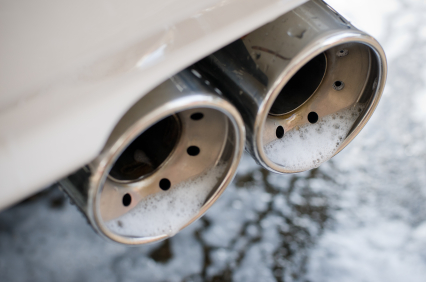
What do you when there is lots of water coming out of the tailpipe of your car? First, verify to check any liquid that comes out of your tailpipe is water. If it’s indeed water, there is no problem to worry about – water coming out from the tailpipe is caused by condensation. Condensation is the formation of a liquid from a vapor, occurring when the vapor (gas) is cooled/pressurized and condensed into a liquid from the loss of heat.

How Condensation Occurs in your Car

1) You drive your car.

2) The internal combustion engine (car engine) runs on gasoline.

3) Small combustions of pressurized gasoline keep the car going.

4) Small combustions of gasoline inside the engine raises the car temperature.

5) The exhaust pipes carry the hot air from your car to be cooled and expelled.

6) The cooling component in your car cools the hot air, causing the gas to condense.

7) The hot gas condenses into a liquid, forming water inside the exhaust/tailpipe.

8) The water trickles down and outside the car.

At cold environments, you may find that there is much more condensation in the car than in the warmer environments—this is because the effect of condensation is greater when the cooling of the exhaust air is aided by the cold air as well as your car’s cooling component.

Smoke or Other Liquid from the Tailpipe

Steam happens when your car overheats and the heat causes even the condensed liquid to turn back into gas. However, if smoke or a liquid other than water is coming out of your tailpipe, there may be a serious problem with your car. Consult a professional before operating your car any further. For help finding the right professional to help fix your car, use TalkLocal. TalkLocal can help with finding the correct local experts to fix your car in this case, saving you time and energy in what may be a stressful situation.

How Many Coats of Paint for House Exterior?

Wednesday, October 3rd, 2012

How Many Coats of Paint for House Exterior? Painters

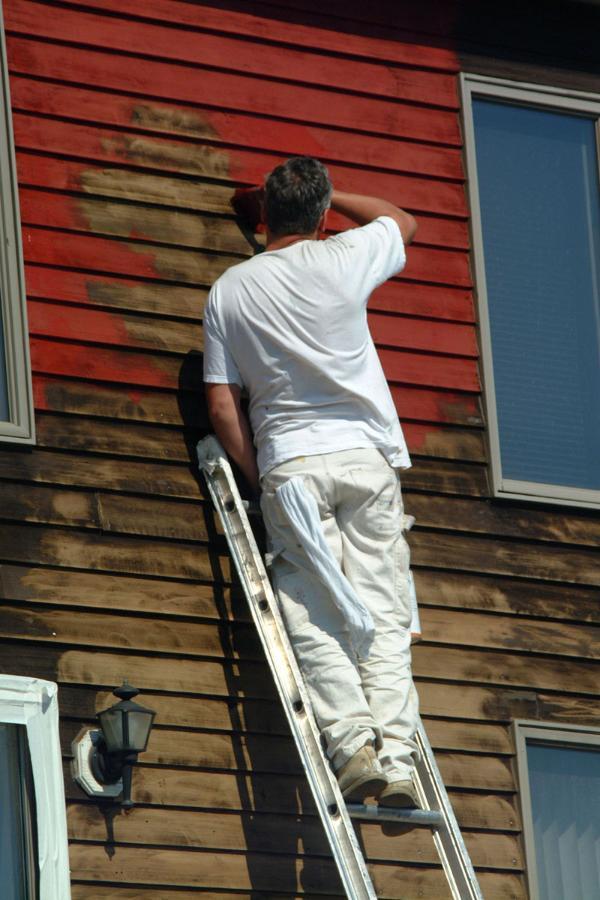
If you are planning to re-paint your home and are wondering how many coats of paint for house exterior are needed,  one coat of paint will usually do the job. It is important, however, to make sure that the paint is less than 10 years old and is not severely weathered. A proper surface preparation is important, or no amount of coats will give lasting protection to your home.

If you can afford a second coat of paint, the paint job will endure a bit better and retain a better sheen and color. An extra coat will not double the life of the paint job, but it may add a year or two to the longevity. Weigh the benefits against the extra cost to determine the best value.

If you’re not so experienced with painting or you’re looking for a second opinion about the job, consider hiring a professional. Use TalkLocal to connect you to a local, highly rated painter within minutes. Simply visit www.TalkLocal.com and enter a brief description of your service needs along with your location and availability, and Seva Call will do the rest. In less than 90 seconds you will be connected to up to three painting companies willing to help.

How to Tell if an Electrical Panel is Overloaded

Wednesday, October 3rd, 2012

How to Tell if an Electrical Panel is Overloaded Electricians

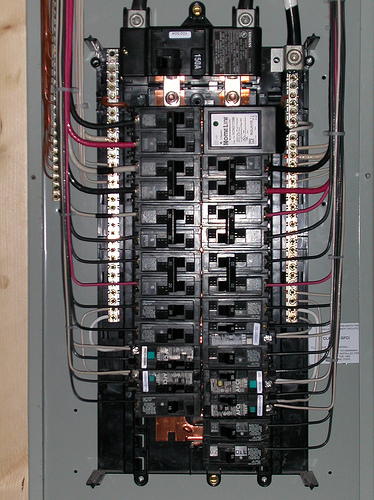
If you are trying to add a circuit to your home’s electrical system, or attempting to figure out the cause of a blown fuse, you will need to establish whether or not your electrical panel is overloaded.  Learning how to tell if an electrical panel is overloaded is fairly simple.  Electrical panels in residential homes are typically either 100 or 200 amps, which means that they can handle up to that amount of amperage before tripping your main circuit breaker and shutting off.  There are amp limits on each of the individual circuits of your main electrical panel as well.  When a circuit receives more amperage than it can handle the individual breaker will trip, cutting off the power to just that circuit.  All of the amperage from each of your circuits together must remain under your panel’s maximum in order to avoid overloading it.

When calculating this panel maximum you cannot simply add up the individual circuit limits.  This is because every circuit has a different amount of power flowing through it, depending on which appliances are plugged in and in use at the moment.  The typical home circuit is usually only carrying about half of its maximum amperage at any one time.  To find out your true total, you will need to perform a load calculation to estimate the average total amount of amperage flowing through your home’s main panel.

Performing a load calculation manually is very tricky and will likely require the service of an electrician. You can use TalkLocal to automatically find a quality local professional in just minutes.  Alternatively, you can use the online calculator available here to generate an estimate of your home’s power load based on all of the appliances and lights that you have.  Keep in mind that this will only be an estimate and is not really a good replacement for having your current measured on-site by an electrician.  Once you know your calculated load, compare it to your panels listed maximum amperage.  Most electricians suggest that you keep your total calculated load below 80% of this maximum number of amps.  If you are under, then you should feel free to add a circuit without worrying about overloading issues.

Benefits of Dental Sealants

Wednesday, October 3rd, 2012

Benefits of Dental Sealants Dentists

A dental sealant is a plastic coating that is applied to the fissures and pits in the teeth to prevent tooth decay.  Dental sealants have been used for over 30 years, and are most often placed on the molars or premolars that face a higher risk of decay.  The sealant blocks harmful particles from penetrating the teeth.  The benefits of dental sealants are obvious; they protect your most at-risk teeth from tooth decay (like cavities) and make it easier to clean up food and bacteria that gets stuck to your teeth.

Benefits of dental sealants

You may be wondering why you need a dental sealant.  After all, dentists used to only recommend brushing at least twice daily and flossing; nothing about dental sealants.  Well, we’re here to tell you those dentists of your past were wrong.  Getting a dental sealant is a great idea if you or your dentist believes you are at risk of tooth decay.  Whereas a dental filling can cost a lot of money and cause discomfort, a dental sealant is a preventative measure to ensure your teeth stay protected.  Additionally, dental sealants cost about $25 to $50 per tooth and can last up to 10 years.  Cavity fillings can cost you up to $200 for a single filling.  Essentially, dental sealants are cheaper, more effective, and less painful.  Of course, you will still need to brush and floss to maintain your teeth, but a dental sealant can make your job significantly easier for you.

Side effects and drawbacks

Now that you know the benefits of dental sealants, we’re going to go over the known side effects and potential drawbacks of them.  The procedure itself does not hurt, and you can eat almost immediately after your appointment.  However, there have been studies into the side effects of these plastic sealants, though nothing has been conclusive.  Some of the sealants contain bisphenol-A, a plastic used to seal the teeth and may be damaging.  At the very minimum, this binding agent will wear off in time meaning you are very slowly ingesting this plastic over the course of 10 or so years.  Again, nothing conclusive has been found or else dental sealants wouldn’t be approved by the FDA, but it is something to bear in mind as you make your decision.

Dental sealants are only one part of a person’s complete dental care.  Brushing twice or more daily, flossing, eating the right foods, and regular dental care are all significant parts of complete dental care.  By following this plan, you can ensure your teeth look and feel healthy for years to come.  If you have read through this and believe you need a dental sealant, consider using TalkLocal to find a top-quality dentist in your area.  TalkLocal is a free service that connects you with the best professionals in just a few minutes.  All you need to do isenter in your specific problems, location and availability, and TalkLocal will contact multiple dentists who will then call you directly, ready to help.  Save time, stress and pain from searching for the right, most affordable dentist, and let TalkLocal do it for you.

Replacing Wireless Network Adapter

Wednesday, October 3rd, 2012

Replacing Wireless Network Adapter Computer Repair

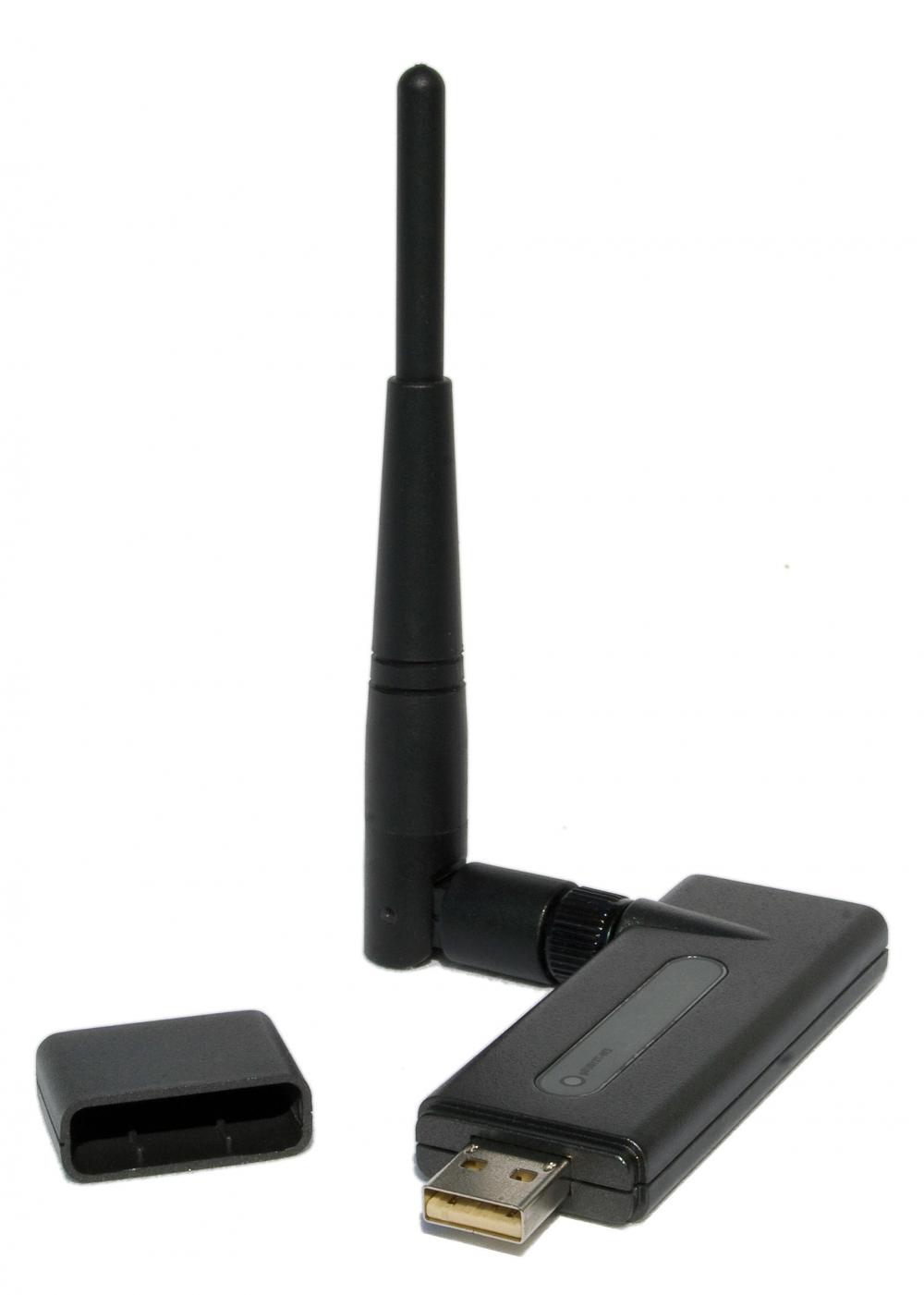
A wireless network adapter translates data from your computer into the appropriate format to be sent through the network. Other names for a network adapter include network interface controller and network interface card. While regular network adapters transmit information through a wire, a wireless network adapter uses radio waves. Learn about replacing a wireless network adapter by reading below.

The most complex adapter to replace is one that is internal, or built-in. In order to replace an internal wireless network adapter, you will need to take apart your computer. Do not attempt to do this if you are not comfortable working with computers. It can be a difficult process for the technologically challenged.

If you are tech savvy, follow the instructions below to replace an internal wireless network adapter in a PC:

1.     Turn off your computer.

2.     Unplug your computer.

3.     Remove the antenna of the wireless network adapter.

4.     Remove the two thumbscrews from the back of side cover.

5.     Remove the cover by sliding it back to loosen it from the tabs.

6.     Remove the screw that holds the bracket of the wireless network adapter.

7.     Remove the bracket.

8.     Pull the adapter carefully out of the slot.

9.     Align the end of new adapter with the slot.

10. Push the adapter in halfway.

11. Align the bracket from step 7.

12. Push the adapter in all the way.

13. Replace the screw from step 6.

14. Replace the antenna from step 3.

15. Replace the cover from step 5.

16. Plug in your computer.

17. Turn on your computer.

18. Insert the CD included with the new network adapter.

19. Follow the instructions it gives.

Your computer should be good to go. If you are running into problems or are not comfortable with replacing the adapter yourself, contact a computer repair service to help you. TalkLocal can help you find local services within minutes for your computer needs! Just fill out an online service request stating your location, availability, and need.