Stop Being Allergic to Dogs

Thursday, November 29th, 2012

Stop Being Allergic to Dogs Veterinarians

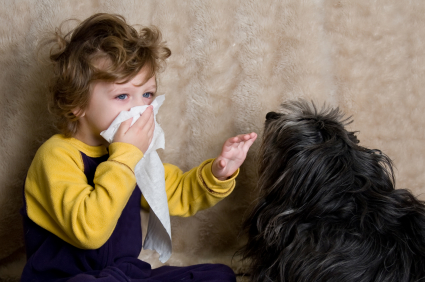
Even the most avid dog lovers are sometimes unfortunately allergic to dogs.  While it usually is not possible for you to stop being allergic to dogs, there are a variety of actions you can take to mitigate your allergic reactions to your pets.  It’s all about minimizing the amount of allergens in the air, so don’t despair, you can still get a dog!

Visit your allergist

One of the most important first steps you can take is to talk to your allergist so they can help you fight your allergies.  If you have an allergic reaction, they may offer anti-histamine therapy or even immunotherapy allergy shots, depending on the type and severity of the allergic reaction.  Your allergist will be your best resource on minimizing your allergic reactions to your pets.

Allergen control around the house

Make sure you regularly clean or replace your air filters, as pet dander and fur will clog up filters extremely quickly and make them ineffective.  Having clean air filters will help remove additional pet allergens from the air.  Likewise, remove as much carpeting as possible since it traps pet allergens extremely easily.  You may also want to consider vacuuming more often around the house in order to remove as many allergens as possible.

Pet grooming

Take your dog outdoors and thoroughly brush your dog down, as it will minimize the amount of dust and dander within the house.  This becomes increasingly important when shedding season comes around, so be sure to do it regularly outside your home.

Regular rinsing of all the bedding your dog lays on, as well as the dog, will reduce the amount of allergens floating in your home.  You can also wash your walls and floors with soap and water as well to reduce the dander that may have accumulated on the surfaces.

Choose the right dog

There are dogs bred to be hypoallergenic, shed less, produce less dander, etc.  Do your research on these types of dogs to try to find the one that works best for you and your family.

Don’t let a dog allergy keep you from owning a dog if you’re really passionate about them!  It may be a lot of work, but as any allergic pet lover can tell you, the rewards far outweigh the work.  You may also want to talk with a veterinarian as well.  TalkLocal can instantly connect you with high quality local veterinarians advise you on how best to live with your allergies.
Ways to Get Rid of Fruit Flies

Thursday, November 29th, 2012

Ways to Get Rid of Fruit Flies Pest Control

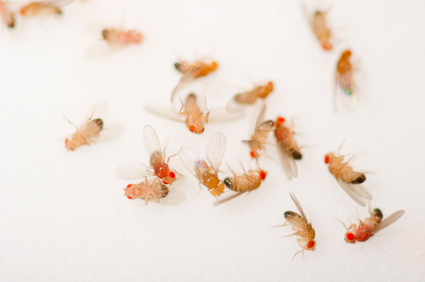
Fruit flies don’t just happen. Chances are that you left out something, and that “something” has created an environment in which fruit flies can thrive. Fruit flies are small, but they come in large quantity — the sooner you take measures to stop them, the more effective will the treatment will be. This guide includes many ways to get rid of fruit flies.

What to Do

The most obvious, yet most effective, way to get rid of fruit flies is to get rid of exposed food — after each meal, put everything in the fridge or seal everything air tightly. Needless to say, flies will fly away and look for a new place to move if they don’t have a food source. Empty your trash can often to avoid flies getting there, too.

Wait a couple days to a week in order to see significant improvements. If you find that that there are still flies in your house, find the area in which they hang around the most — just keep a track of the particular places in which the flies bother you the most.

Backtrack to the locations and identify the problem — why would the fruit flies be hanging around there as opposed to other places around your house? Is there a rotten fruit between the gaps between the furniture? Something under the sofa? A trash can that needs to be taken out? Identify and fix the problem.

There is another easy and effective method you can use to move the flies out of your home, as well as limiting the supply of available food to the flies: place an appealing “bait” away from your home (outside the door).

This way, fruit flies will spot the fruit outside your house in the open but will have trouble finding food inside since you have limited their access to a food source. That means that the flies will move outside and take up nest outdoors — away from your home.

Gradually move the bait further and further away from your house until you feel as that you are safe from all the flies – in which case you will stop feeding the flies and leave them out for good. Although this is not a quick fix, it is effective.

Additional Help

You may find that you want to consult a professional on ways to get rid of fruit flies. TalkLocal can help with finding the correct local experts in this case, saving you time and energy in what may be a stressful situation.

How Often Should I Water Plants

Thursday, November 29th, 2012

How Often Should I Water Plants Landscapers

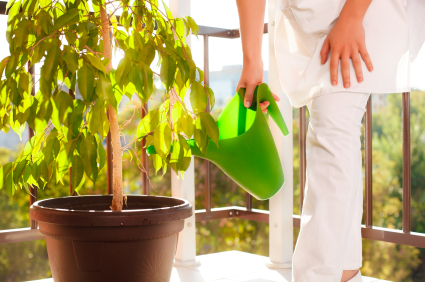
You have beautiful plants on the inside and outside of your house, and you’re wondering how often should you water plants. There are many factors that come into play when deciding. These factors include the type of plant, the climate, and whether or not the plant is an indoor or outdoor plant. Figuring out how often you should water plants can be confusing, but this article is here to shed some light on the situation and help point you in the right direction.

Indoor plants

Indoor plants require special care. Just because they are protected from the inclement and harsh weather does not mean they are fragile when it comes to receiving the appropriate amount of water.

Here are a few tips and tricks:

– Indoor plants with large leaves and those with thin leaves, along with plants that have a lot of surface roots will require more frequent water supplies than other plants.

–  If the plant is in a location that is either hot or dry, more water is needed to satisfy the plant.

– Check with the type of soil you are using. Different soil types have different absorption rates and capacities and this could make a big difference in the amount of water you need.

–  When you place a large plant inside of a small pot, it will need more water because there is less soil surrounding it. Also, add more water if the plant is in a clay pot compared to a plastic container because in the clay pot, the water evaporates quicker.

– The color of the soil is a great indicator to tell if the plant needs more or less water. If the soil is losing its dark brown/black color, the plant needs more water.

Outdoor plants

When it comes to outdoor plants and flowers, the situation can be a bit tricky. The rule is usually to water the plants and flowers twice a day (or at the minimum, once). Avoid watering during the very heat of the day. Stick with early morning and later in the afternoon.

 Additional help

Still need help with your plants or planting new ones? Check out TalkLocal. You will be connected directly to local, high quality professional that can help you with any landscaping needs at the time that is most convenient for your schedule. Try it out!

Replacing Catalytic Converter

Thursday, November 29th, 2012

Replacing Catalytic Converter Auto Repair

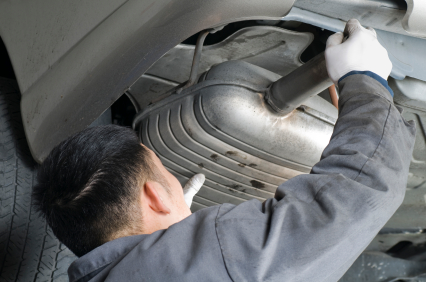
A catalytic converter is the device that controls vehicle emissions.  It converts the toxic byproducts of combustions in the exhaust of an internal combustion engine.  It turns these byproducts into less toxic substances through chemical reaction.  Sometimes your catalytic converter will break down and you may need to replace it; this is something you can try to do on your own. Read on for instructions for replacing a catalytic converter.

The first thing you need to do is probably the most difficult.  The catalytic converter sits midway on the bottom of the car.  Because of this you need to lift the entire car up.  Lifting only one end will not be helpful because you need to be able to get underneath and do work. You can use a ramp to get the car up in the right position.

You will need to be patient when you are doing work on your car.  The bolts attaching the catalytic converter are hard to remove because they are placed awkwardly and have an unusual size.  Use both a drill and wrench to remove them.  You should buy new bolts, nuts, and seals if you are replacing your catalytic converter because the old ones may break when you are removing them.

Before removing the catalytic converter, find out the exact model and buy a new converter in exactly the same specifications.  If you buy a generic model, you will have to weld it to the car. If you buy specified one, you can use the installation bolts that come with it.

Remove the 02 sensor before unbolting the catalytic converter.  Remove the pipe connecting it to the sensor.  Replace the device with the new one by bolting it directly in the place of the old one.  Reattach all the pipes and sensors you removed and your new catalytic converter should work perfectly.

Continuing Problems

If you have problems with your catalytic converter you should seek professional help.  Use TalkLocal to be put in contact with reliable local auto repair businesses.  You don’t have to do any work! Simply input your problem and availability and within minutes you should be connected to someone who can help you out.


My Dog has Bumps on her Stomach

Wednesday, November 28th, 2012

My Dog has Bumps on her Stomach Veterinarians

My dog has bumps on her stomach

Your dog is not as energetic and jumpy as always, and this may seem unusual.  It’s easy to notice when something is wrong with your dog due to the sudden change in their typical amount of activity and energy. If you notice that your dog has bumps on her stomach, continue reading for some information that can help.

This can suggest food allergies, parasites, disease, infection or other serious medical conditions.  You can try administering a home remedy such as shampooing your dog with a medicated shampoo to relieve any itchiness or soreness from the bumps.  You can also try washing her sheets/bed padding in the case there are parasites or other insects camping out in the bed.  If it looks like she has hives, rubbing Benedryl over your pet’s bumps may also provide some relief and may help reduce their appearance.

Persisting problems

If these don’t help, contact your veterinarian to get your pup checked out.  Try using TalkLocal to locate one nearby.  TalkLocal is a free service that will connect you with top-quality, reliable veterinarians in your area within minutes.  All you need to do is enter your dog’s specific symptoms, your location and your availability, and TalkLocal will contact multiple professionals who will then call you directly, ready to help.  Save time and stress from searching for the right, most affordable vet, and let TalkLocal find one for you!

How to Kill Spiders Naturally

Wednesday, November 28th, 2012

How to Kill Spiders Naturally Pest Control

Spiders are often despised creatures. They have four times the amount of legs that humans have, they can crawl faster than some people can run, certain species have poisons that are extremely harmful to humans, and they find ways to put their spider webs everywhere. So it’s easy to see why few people like spiders.

If you want to get rid of a population of spiders, there are a few different ways of doing it, some more humane than others. Some people prefer searching for the nearest can of chemicals, killing the spider while also littering your home with toxic chemicals. If you want to know how to kill spiders naturally, keep reading.

The first step in killing spiders naturally is to first start the prevention process to ensure that additional spiders don’t make their way into your home. Clean any spider-prone areas such as garages, closets, under beds, along door frames, and any place with cardboard (spiders LOVE cardboard because of its wood component). Also make sure not to leave anything like towels or clothing where a spider could find refuge. Next, try and seal any cracks into your home where spiders may be able to enter your home. Next, use citrus-scented anti-bacterial spray in places where spiders may enter your home. This is an additional prevention step to ensure no spiders make their way into your home.

Now that the prevention step is taken care of, the next step is to start eliminating any spiders that remain in your home. There is a naturally occurring ingredient called diatomaceous earth that is safe for both humans and animals to ingest, but is extremely harmful to bugs and spiders. When bugs or spiders walk through the diatomaceous earth, their skeletal structure starts to disintegrate. So to get rid of the spiders in your home, sprinkle this ingredient around places where spiders seem prevalent or where they may be. You can also place some of this outside your home to keep them from coming in. You can find these ingredients at most home improvement stores, typically within the gardening section.

Glue boards and sticky traps are also an effective way of capturing and killing these spiders. Place these all around your house where spiders seem to be the most abundant. Another tactic is to purchase an electronic bug repellent that sends out a high-pitched tone to repel spiders and bugs. These can also be found in home improvement stores.

If you have attempted all of these methods and still find spiders entering your home, it may be a good idea to call in a pest control specialist to take a look for you. If you need help finding such a specialist, consider using TalkLocal to find a capable pest control specialist for you. TalkLocal is a free service that will connect you with top-quality, pest control service companies in your neighborhood within minutes. Just enter in your specific problem, location and availability, and up to three companies will call YOU directly, saving you the time and stress of finding one yourself.

How to Remove Musty Smell from Towels

Wednesday, November 28th, 2012

How to Remove Musty Smell from Towels Maid Services

Have you ever finished a load of laundry and noticed that your clothes and towels smell worse than they did before? This happens to a lot of people when they leave their load of laundry sitting in the washer for too long after it is washed. The smell comes from a buildup of mildew, which is a direct result of the wet clothes sitting in the moist washer for too long. This smell can be very persistent, so try several of these methods when figuring out how to remove the musty smell from towels or clothing.

– Rewash your load of laundry with hot water and a mixture of detergent and bleach. If your load still smells after a second washing, you might need to run your washer with ONLY one cup of bleach and hot water. The bleach should kill the odor-causing bacteria.

– Use smaller loads. If you have too large of a load, it might not dry everything completely which could result in a musty smell.

– Try using products designed especially for this problem. Pour them into your fabric softener dispenser and use along with your normal detergent.

– Wash thicker clothing by itself. Sometimes clothing or towels made out of thicker material don’t dry entirely if mixed with thinner materials.

– Try using powder detergent instead of liquid soap. In some cases, it might have something to do with the dye in liquid detergent.

– Rewash your load with one to two cups of white vinegar, and then wash again normally. Vinegar has strong odor-killing chemicals, so this should do the trick.

To avoid this problem in the future, set a timer to alert you when it’s time to switch your load. It’s always helpful to be aware of how long your clothes sit in the washer, especially if you have a front-loading washer because of its airtight seal. Nobody wants to dry off after a shower with a foul-smelling towel, so use these tips and tricks to prevent that from happening again.

If there is a still a musty scent lingering in your house, use TalkLocal to find a maid service in your area that can alleviate the stench.

How to Keep Deer off Lawn

Wednesday, November 28th, 2012

How to Keep Deer off Lawn Landscapers

Do you notice your lawn looking less attractive because of the deer that run around on it? There are a number of ways to learn how to keep deer off your lawn, varying in expense and work. You can try some of these methods to see if they work.

– Grow plants that deer don’t like, so they won’t come into your yard and eat them. Some of these include daffodils, irises, foxgloves, or yucca. Some plants with strong smells such as sage and chives will also dissuade the deer. However, if hungry enough or curious enough, deer will eat these too, so this is not a sure-fire method.

– Spray your plants and flowers with hot pepper spray or make your own mixture of strong smells – try garlic powder, eggs, and any strong smelling edible products. Additionally Irish Spring Soap works well when hung around trees. Deer will avoid plants with these tastes/smells.

– Use human hair around the perimeter of your yard. You can go to your barbers and ask them if you they could save some of the hair for you. Deer do not like human hair and will not cross over it.

– Use a deterrent such as fox urine, wolf urine, or lion dung (from a zoo) – basically, the urine of any deer predator – to mark the perimeter of your yard. Deer will be frightened of the potential danger. Some commercially available products use similar ingredients, de-odorizing them for the human nose. Taking your dog out for a walk and getting them to mark your perimeter will work just as well.

– Keep a dog. A dog is the deer’s natural predator. So deer will not try to approach a home with a dog, especially one that goes outside.

– Put a tall fence around your yard – Deer will jump over anything four feet high, and attempt to jump over six feet-high fences and get injured. So an eight foot high fence is the only way to keep deer out of your yard.

TalkLocal can help you find a landscaper to help you set up your deer fence quickly and effectively! Just visit our website or call us at 1-877-987-7382.

How to Cool House with Basement Air

Wednesday, November 28th, 2012

How to Cool House with Basement Air Heating and Cooling

Do you not have a central air conditioning system in your house, or are you just trying to cut down on expensive A/C summer bills? We all look for savings in the scorching heat, so read on to learn how you can save on cooling costs.

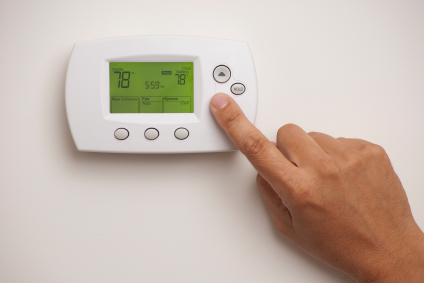
To start off, you can try to putting some box fans into some of your windows upstairs to exhaust the hot air out of the house (make sure the fan is pointing outward). If you don’t have box fans, then just open the window. Similar to this could be an attic fan, which will suck the warm air from your house and blow it into the already-warm attic. If you have a basement, you can learn how to cool your house with basement air by trying to circulate the cooler air from your lowest floor up throughout the rest of the house. If you don’t have a basement, then be sure to at least crack your main floor windows and leave your doorways open to keep the air circulating. The idea is to let warm air flow out of windows on the top floor, while cool air enters your home through the lower floors. Using fans will just speed this process up. You can use a ceiling fan near the entrance to your basement to make sure the cool air is able to flow onto the main floor.

Another option would be to install attic/wall insulation to keep the house cool in the summer and warm in the winter. You might want to consider contacting a HVAC professional to help with this installation.

Try TalkLocal, a free service that will help connect you with top-quality HVAC specialists in your neighborhood. Just enter in your location, availability and problem, and TalkLocal will contact HVAC professionals, who will then call YOU directly, within minutes, ready to help.

Emergency Brake Repair

Wednesday, November 28th, 2012

Emergency Brake Repair Auto Repair

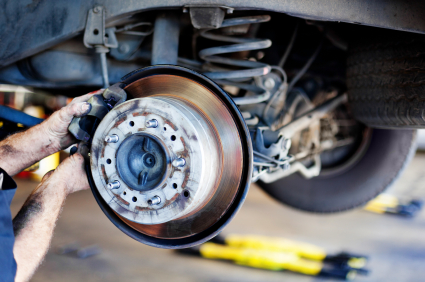
Emergency or parking brake is used in the event of a failure of the regular brakes. However, parking brake is most commonly used when parking on a steep hill to prevent the car from rolling. When emergency brakes fail, the probable cause is that the rubber hose that covers the brake cable has deteriorated. When this happens, the metal cable rusts rapidly and eventually breaks. If notice that your emergency brake cable is broken, replace the brake immediately. The follow simple steps will guide you through an emergency brake repair.

How to Replace Emergency Brake Cable

Materials:

– Screwdriver

– Lug wrench

– Jack

– Socket wrench

– Equalizer bar

– New cable

1. Remove the boot covering with screwdriver. If it is leather, simply unzip it.

2. Remove both of the two cables connected to one of the car’s rear tires.

3. Loosen the lug nuts on the tire with a lug wrench.

4. Jack the car up and remove the nuts to get to the wheel drum.

5. Remove the brake cable on each drum.

6. Loosen the tension nut that is attaching the cable to the brake with a socket wrench.

7. Pull out the cable.

8. Loosen the anchor nut with an equalizer bar.

9. Pull out the other end of the cable.

10. Put the new cable in through tension nut.

11. Screw in the nut tightly.

12. Reattach the brake cover.

Additional Help

If there are still problems or you are not comfortable fixing the problem yourself, TalkLocal can connect you to the best car mechanics in your area. Just go to the TalkLocal website and submit your problem, location, and availability. Within minutes, you will be on the phone with real people who can fix your specific problem at your convenience. Say good-bye to flipping through the yellow pages. TalkLocal does the searching for you, whether you are looking for a car mechanic or a variety of other services.