
Archive for the ‘Handyman’ Category


Dog Kennel Installation

Tuesday, April 30th, 2013

Dog Kennel Installation - Handyman

Dog owners that allow their four-legged friends to run free all the time are just asking for trouble. For their own safety, and to ensure they do not get into mischief, dogs must be trained to spend time in a kennel. If you do not already have a kennel, do not worry; the dog kennel installation process is relatively easy. With a little bit of time and money, you could construct a caged-in area for your dog both inside and outside.

Pre-Manufactured Kennels

Dog kennel installation is a cinch if you go to a local pet store and purchase one that is already made. These are generally kennels for the inside of your home, which you can use to put your dog inside while you are away.

Smaller kennels are usually already assembled on the store shelves, too. All you have to do is purchase it and bring it home. For larger kennels, significant assembly may be required. Don’t worry, though, these kennels come with a thorough set of instructions that will guide you through the dog kennel installation process from start to finish.

Outdoor Dog Kennel Installation

To give your dog a safe place to relax and enjoy the outdoors, a kennel is ideal. You can build a very simple kennel by purchasing some chain-link fencing from a local hardware store and constructing a fenced-in area. Just follow these steps:

1. Measure out what will be the perimeter of the dog kennel. Make sure the measurements are precise.

2. If you want the kennel to have a concrete floor, dig out the area, but not too deep. Level out the ground so you can pour and smooth out the concrete. It helps to line the area with boards to contain the concrete as it dries.

3. Next, you must dig appropriate holes for your poles at all four corners of the area. A posthole digger is the most appropriate tool to use for this task.

4. Drop the posts into each respective hole and fill the holes with concrete to secure them.

5. Finally, wrap the chain-link fencing around the posts. You should have ordered the right amount of fencing from the store based on your measurements before the project. It is best to attach a tension rod to one of the posts and start from there. Wrap the fencing around all posts and secure it.

6. Make sure you include gate hardware in your purchase. This will allow you to install a door in the kennel to allow for easy access in and out.

Too Much?

If you are not especially skilled at this, or similar tasks, simply log on to TalkLocal for help. We will put you in touch with professionals in your local area that can help you out with such projects.


Paint Removal From Wood

Saturday, April 27th, 2013

Paint Removal From Wood - Handyman

That robin’s egg blue dresser was probably beautiful once upon a time, but now it is peeling and drastically in need of a change. When you want to keep your furniture but aren’t satisfied with the look, you can solve your problem by learning techniques for paint removal from wood, and get your home looking beautiful again.

Tips For Do-It-Yourself Paint Removal From Wood:

– Know what you’re working with. Scrape some of the paint off to see how much you’re dealing with and try to figure out how many layers there are. If you’re working with really old furniture, you might find there is lead paint on the piece, so you need to follow proper safety precautions when working with paint.

– There are different methods for removing paint from wood, but the easiest is using a chemical stripper. This is a caustic, alkali chemical that is low in volatile organic compounds. Despite the safety of the product, you want to make sure your work area is well-ventilated.

– If you find that you don’t have a lot of paint on the product, or that it is a water-based paint, you may be able to use soap and water with a scrubbing brush to remove it. If you choose this technique, make sure you have multiple scrubbing brushes as well as old rags and fresh water to keep washing away the paint.

– You could also use a heat gun instead of a chemical stripper. This will heat the paint from the bottom up using infrared heat, making it very easy to scrape the paint away with no chemical fumes involved.

– Try to avoid using sandpaper. It is not very effective in paint removal from wood and it will tear at the original varnish.

– There are also paint solvents you could use in a well-ventilated area with gloves and a mask for safety.

When All Else Fails

If you find none of these techniques are working, or you need more assistance perfecting your refurnishing, we can connect you with the appropriate professionals in your area. TalkLocal takes the work out of the search and does the tough part for you. After all, you should be focusing on stain colors and drawer handles instead of tracking down the right handyman.

Dog Kennel Design Options

Wednesday, April 24th, 2013

Dog Kennel Design Options - Handyman

If you are thinking about getting a dog, or are looking for a way to give your current pooch his or her own space, make sure to look into all dog kennel design options.

Erecting outdoor structures is just one of the many tasks most handymen can do, but first, you will need to purchase the kennel itself. In order to determine which kennel is best for your dog (and your wallet) here are five things to consider.

1. Length of time your dog will be in the kennel: Will the dog only be spending time in the kennel while you are at work or will it be his or her primary home? If the dog will be spending shorter times in the kennel, a smaller structure may be acceptable. If the dog will be spending the majority of its time in the kennel, be sure to purchase the biggest kennel available in order to allow it to have room move.

2. Size of the dog: Dog size will determine the height of the kennel as well as the length and width. The bigger the dog, the larger the kennel needed to ensure the dog cannot escape from the top.

3. Location of the kennel: If it will be located in an area with no shelter, a full or partial roof may be necessary to protect the dog in times of rain or hot sun. Lack of shelter may be considered neglect.

4. Dog temperament: If he/she enjoys digging, you may need to consider adding additional iron under the fence to prevent him or her from escaping.

5. Latch design: The typical latch that one would find on a chain link fence may not work for all dogs. Many are able to quickly figure out how to flip this latch with their snouts and escape.

Hire Someone To Install A Dog Kennel

Your best bet when considering dog kennel design options is to call a professional. TalkLocal can find a qualified handyman in your area that will likely have experience with these structures. The best part is that our service is completely free.

Tips For Power Washing Vinyl Siding

Wednesday, April 17th, 2013

Tips For Power Washing Vinyl Siding - Handyman

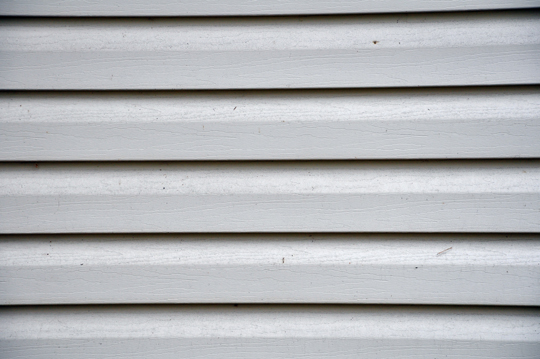
Before you decide to replace that dingy looking vinyl siding, consider the cheaper method of power washing. Often, vinyl siding only looks shabby because dirt or mildew has attached itself to the sides. A thorough cleaning can make the house look brand new, boosting its curb appeal.

Here are five tips for power washing vinyl siding:

1. Seal up all windows, doors and vents to prevent water from penetrating the house. Cover any electrical outlets that may be exposed as well.

2. Pre-wash. Soaking the area in warm water can greatly help the effectiveness of the cleaning detergent. It will loosen up dirt or mildew that has hardened to the surface.

3. Determine the type of debris on your siding. Mildew might be more difficult to remove than a light dusting of dirt. Spray a solution of bleach water on mildew prior to the cleaning. This will kill the fungus and help remove it more effectively.

4. Choose the right detergent. Not all detergents are created equally. Some are designed to clean driveways, fencing, or other household needs. If your detergent is not designed for siding, it may be too strong or too weak for your job.

5. Cover your plants. Many detergents may contain chemicals that are harmful to your flowers and shrubs. Cover them with a large sheet of plastic prior to washing.

Power washing your home is a relatively inexpensive way to give it a fresh look, and considering these tips for power washing vinyl siding prior to the cleaning will make sure your project is a success.

Need Extra Help?

If you are unsure if your home is a good candidate for this method of cleaning, or are worried you may not be able to get to the top stories of your home, you may need to call in an expert.

TalkLocal can put you in touch with a qualified handyman that lives in your area. Our service is absolutely free and you will be speaking to a professional in minutes.

How To Remove Paint From Metal

Thursday, April 11th, 2013

How To Remove Paint From Metal - Handyman

From children’s bicycles to iron handrails, home and business owners often find themselves wondering how to remove paint from metal in order to repaint or create a new look for an old piece. The process is fairly simple, though more ornate pieces may require more hand working than a flat piece. This can easily be a do-it-yourself project, or else any handyman would likely be able to take care of it quickly.

You Will Need:

– Damp or tacky cloth

– Respirator

– Medium grit metal sandpaper

– Fine grit metal sandpaper

– Chemical paint stripper

– Paint brush

– Hose/water

– Optional: Sandblaster

How To Remove Paint From Metal

1. Be sure to wear a respirator to avoid inhaling dangerous metal flakes.

2. Wipe down the piece and remove dirt or rust flakes with a damp or tacky cloth.

3. Use medium grit metal sandpaper to remove any stubborn areas of rust, then use the fine grit to create a smooth finish.

4. Apply the paint stripper with a paint brush accordingly, per the directions on the can. Hose off to remove the chemical when finished.

5. If only a few spots remain, the sandpaper may be used to remove them.

6. Sandblasters are handy for larger and more stubborn projects. They can be rented by the day or purchased at a home improvement store.

7. Wipe down and clean the piece once all paint is removed.

Finding Reliable Help

If this process seems too complicated or time-consuming for you, one of the many benefits of a handyman is that they know how to efficiently work these kinds of projects. They know how to remove paint from metal quickly and safely.

If you are not sure how to get in touch with a qualified professional near you, check out TalkLocal. We connect you with local professionals quickly. You should be speaking to a handyman near you within minutes. The best part is our service is free! If your project has become too overwhelming, find a local handyman now.

Paint Removal From Brick

Thursday, April 4th, 2013

Paint Removal From Brick - Handyman

The natural look of brick offers a lot for your home, whether on the interior or exterior. If you have beautiful brick trapped under paint, these tips for paint removal from brick will help you get back the rustic look you were longing for once again.

Tips For Paint Removal From Brick:

1. Start out with a paint solvent. This should be a gel or a paste and it should be applied generously. Don’t hold back on it. That said, you do want to start off with a small test patch to make sure the solvent will work well.

2. After applying the gel or paste solvent, put some strips of a heavy duty material over top. As the paste gets softer, it connects to the material while disintegrating the paint. At this point, you can peel off the strips. Just make sure you don’t leave little paint chips scattered around your brick surface.

3. If you don’t have enough material, or are working with a significantly large area, just let the solvent soften and scrub it off of the bricks afterwards. Make sure you are using a stiff bristle brush for this so you don’t damage the brick.

4. After scrubbing, rinse the brick off with clean water. If you’re removing paint from a really big section, you might break it up into smaller sections and use more steps to make it more manageable.

5. After removing the paint, you might need to do more work with your brick surface. There might have been a reason why the bricks were painted in the first place. If they are damaged, faded or discolored, you might consider painting them a more natural looking color with only minimal coating. This will hide the damage and give you the brick look you love, whether you’re painting the exterior of your brick home, a fireplace or just a small section.

Seek Help

If this project is too big or too tough to do on your own, you may consider connecting with professionals in your area that can help. TalkLocal can take the work out of that search and connect you with the help you need. Just tell us what you need, where you are, and when you’re available, and we’ll connect you with the right professionals.

Tips For Power Washing A Painted Deck

Tuesday, April 2nd, 2013

Tips For Power Washing A Painted Deck - Handyman

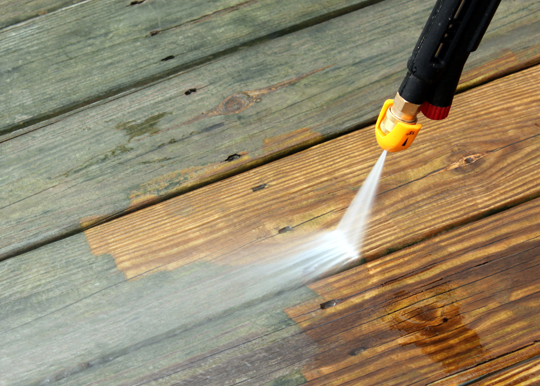
Your deck is exposed to all of the elements, including dirt and natural grime that can build up over time. If you have painted the exterior of your home, and your deck to compliment, you may find yourself in need of some tips for power washing a painted deck.

There are certain things you do not want to do:

– You want to make sure you avoid using a power washer at close range. This can damage the paint and cause it to fade or peel.

– Avoid using really harsh chemicals, as well.

– Don’t leave furniture, décor, or plants on the deck if you can help it. Anything you can move should be removed from the area, and anything that cannot  be removed should be covered up.

– Avoid trying to clean your painted deck on very windy days so that the risk of debris infiltrating your cleaning system is lower.

When you’re ready to start washing, follow these tips for power washing a painted deck:

You will need:

– A bucket

– Unscented dish detergent

– A garden hose with a spray nozzle attachment

How to Power Wash Your Deck

1. Fill a mop bucket with about 3 ounces of unscented dish detergent. Mix with water until you have a soapy mixture and either use a mop, or splash the mixture to spread it around the deck. We recommend using a mop on larger areas.

2. Let the soapy mixture sit on the deck for about 5 to 10 minutes and soak into the grime and dirt, but don’t wait much longer than that.

3. Connect the spray nozzle attachment to your garden hose and spray the soapy mixture off of the deck. If your spray nozzle attachment has adjustable speeds, start spraying on medium and only switch to high if medium is too weak to remove the dirt and grime.

This should take care of the majority of the filth on the deck. If you find you still have a mess, here are some tips for washing a painted deck with stubborn grime and muck:

1. After following the above steps, get a long-handled cleaning brush with soft bristles.

2. Mix 1 or 2 ounces of dish detergent and water.

3. Dip the brush into this new soapy mixture and gently scrub the grime in circular motions. Go slowly so you avoid scratching or removing paint.

Looking For Help?

These tips and tricks will help you wash your painted deck without a blast washer or harmful chemicals that may affect your paint. If you need professional assistance or find that your grime is too stubborn, TalkLocal can help you by connecting you with a qualified handyman in you area, when you need one.

Types of Cabinet Door Hinges

Sunday, March 31st, 2013

Types of Cabinet Door Hinges - Handyman

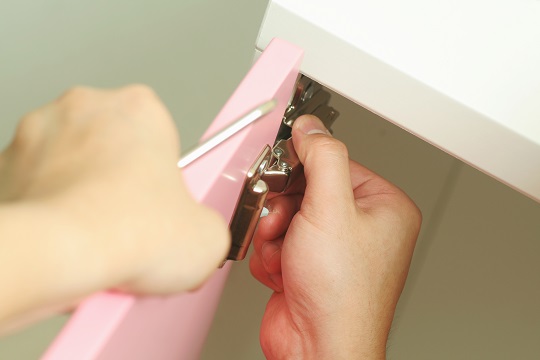
If you’re looking to renovate your kitchen, one of the easiest and most effective ways to achieve a spectacular renovation is to install new hinges for your cabinets.  You’ll want to choose a style of hinge that matches the style of your cabinets, but fortunately there are many different types of cabinet door hinges to choose from, so you can customize your home to your heart’s content! The most important feature to note when choosing a hinge is whether or not your cabinets are Face Framed or Faceless: simply look to see if there’s a frame in the opening or not.  Then you’ll want to look at how your doors fit on top of your cabinet.

For Face Framed Cabinets:

Overlay Hinge:  These hinges are for doors that completely overlay your face frame and should wrap around two sides of the frame.

Full Inset Hinge: These hinges are designed for doors that are flush with the face frames and are actually set in the frame.  These oftentimes will conceal both wings and only leave the knuckle of the hinge exposed.

3/8” Inset Hinge: Some doors may partially overlay the frame by having a groove cut along their back edge.  The door wing usually will be concealed and only the frame wing should be visible you close the cabinet door.

For Frameless Cabinets:

Frameless Overlay Hinge: If your door overlays your cabinet edge completely (full overlay), then you’ll need a frameless overlay hinge.  These hinges will be attached to the side of the cabinet.

Frameless Inset Hinge: Some doors will be completely flush with the side edges of the cabinet.  You have a couple of options here.  You may want a partial wrap-around hinge that screws to the edge and wraps around two sides of the frame.  You can also do a concealed frameless inset hinge as well.

Find a Professional for All of Your Renovation Needs

These are the major types of cabinet door hinges you can choose from, and they all come in a variety of different colors and finishes.  If you ever feel unsure of yourself in a home renovation project, you can always use TalkLocal to contact a high-quality, local handyman in just minutes!  They’ll be able to advise you on how to make your home renovation pop!

Install Storage Shelves At Home

Monday, March 18th, 2013

Install Storage Shelves At Home - Handyman

Just think of the superior organization you could maintain if you chose to install storage shelves at home. No more would items be strewn about the room, rather, they would be tucked neatly away on these newly-installed space savers.

Regardless of what type of shelves you are looking to install, the process pretty much remains the same. You will need a few simple tools, a little bit of your time, and some patience. The following steps and tips can help make it easier to setup shelves and utilize the space you do have in your home.

Seek A Lending Hand

Learning how to install storage shelves at home can greatly reduce clutter. If you feel that you do not have the time to accomplish this task by yourself, you can count on TalkLocal to connect you with businesses offering handyman services. We have streamlined the entire process to make it quick and easy.

How To Repair A Fence Post

Friday, March 15th, 2013

How To Repair A Fence Post - Handyman

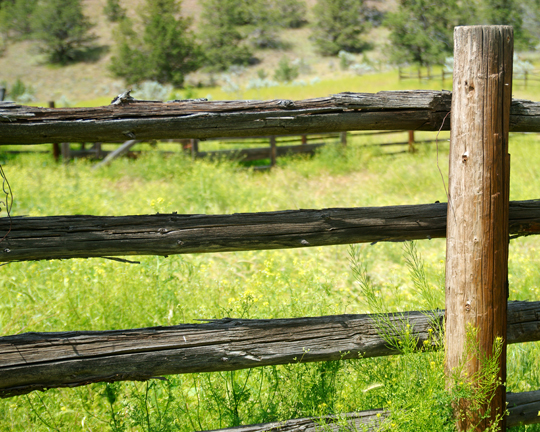
Learning how to repair a fence post can save you the time and expenses of hiring a professional handyman. Making sure all fence posts are properly repaired and maintained ensures the integrity of the structure. One broken post could bring down a portion of your fence. Any animals you were hoping to keep in will no doubt escape.

You only need a few simple tools and a little bit of time. Before you dig the entire post out of the ground, you should determine how badly the post is damaged. There are a few ways to fix a fence post, depending on the nature of the damage.

Sometimes, a fence post is too far gone to be repaired. You will need to remove the fence post completely and start from scratch. Digging up a fence post will require a bit of hard labor on your part. You will also need a shovel and a few other tools.

Get Help Repairing A Fence Post

Learning how to repair a fence post can be a rewarding experience. There is pride to be taken in a job well done. However, if you do not feel that repairing a fence post is something you can do or have time for, TalkLocal can help connect you with a contractor or handyman who can do the job for you.