Archive for the ‘services’ Category


How To Prevent Tree Diseases

Wednesday, July 10th, 2013

How To Prevent Tree Diseases - Tree Removal

Trees, like all plants, occasionally become infected with pathogens which cause them to become ill. Many of these pathogens can cause severe damage to once-healthy trees, sometimes killing or permanently disfiguring them in the process. However, you don’t have to stand by and watch your trees wither away. Here’s how to prevent tree diseases.

Clean Your Tools

If your tools have come into contact with soil, are coated with rust, or have been used on other plants previously, make sure to properly clean and disinfect them before using them again. Soil and residual plant sap may harbor parasites, bacteria, and viruses that can make your trees sick. Remove all debris with soap and water and soak tool blades in either isopropyl alcohol or a bleach solution. Make sure to repeat the sterilization process before working on another tree with the same tools.

Use Sharp Tools

If you’ve ever used dull pruners or shears, you’ve probably seen how the blades tend to crush the wood instead of cut it. When this happens, it’s much harder for the tree to heal, and healthy new growth is disrupted. On the other hand, using sharp tools gives a nice, clean cut that heals quickly and is less likely to be attacked by pests and pathogens.

Proper Feeding

Some tree types, especially fast-growing varieties and fruit-bearers, require huge amounts of nutrients in order to stay healthy. Like people and animals, malnourished trees are more vulnerable to not only pests, but also diseases. Therefore, it’s important to provide heavy feeders with regular fertilization. Purchase a plant food that is designed for your particular type of tree.

Bandaging Wounds

When removing large branches from trees, keep in mind that doing so creates a wound. Its delicate inner tissues are left exposed to hoards of insects, viruses, and bacteria just waiting to attack. Closing up these wounds speeds healing for the tree and makes it less likely for diseases to occur. It’s recommended that you use either spray paint or a specialized tree sealer to do this.

Need To Remove A Diseased Tree?

Lush, green, and disease-free trees are lovely things to behold, but keeping them that way takes some work. Use TalkLocal to locate a professional tree service near you that will be able to advise you on how to properly prevent diseases, or remove a diseased tree. Talk Local will connect you with the right professionals, in just minutes.

Reinstalled OS System and Lost Data

Tuesday, July 9th, 2013

Reinstalled OS System and Lost Data - Computer Repair

If you reinstalled OS system and lost data, don’t worry because most of the time this won’t lead to permanent data loss. Your data can still be recovered using Data Recovery Software. Should you choose to recover your data, stop using the drive and do not save any data to the disk, as this could cause overwriting and permanent loss of your data.

Why Was Your Data Lost After OS Reinstall?

When you reinstall the OS over the existing installation, the following happens:

– The original system files are copied to the hard drive.

– Certain windows settings are reset to default values.

Normally when you reinstall the OS, the ‘Documents and Settings’ folder will be reinitialized, and all files in that folder will be deleted. However, these deleted files are recoverable if you don’t overwrite them. When you overwrite data, you replace previously stored data in a disk with new data. Recovering data is easier for smaller, less fragmented files and data on larger disks.

Re-Installing the OS Is Necessary When…

– A file that is required to run for the system to work gets either deleted or corrupted

– A program that runs at startup causes an error that results in a computer crash

– The registry has been corrupted

– Hardware failure during startup causes the system to crash

How Do you Recover Lost Data After OS Reinstall?

Try using a FAT Recovery or NTFS Recovery from the Disk Doctors Windows Data Recovery category to recover your files quickly in case of formatting, reinstalling your OS, repartitioning, or any other data loss disasters. These programs should get your data back without overwriting your system.

Need Computer Help?

If you still cannot recover your data after trying all these things, then you should use TalkLocal to get the best help you can get quickly from local IT service professionals.

Does My Vehicle Need A Fluid Flush?

Tuesday, July 9th, 2013

Does My Vehicle Need A Fluid Flush? - Auto Repair

Does my vehicle need a fluid flush? You might be asking yourself that question because a mechanic at a shop or quick lube station is advising you to. It’s always tough to decipher whether these suggestions stem from their own monetary gain or if your vehicle truly needs a fluid flush.

It is important to know when these flushes are needed so you won’t shell out the unnecessary expenses. The following are some fluids that might need flushing along with some information on how often they need it.

Radiator Fluid: The radiator holds a diluted form of antifreeze and is responsible for both keeping the engine cool as it runs and preventing it from freezing during the extremely cold months. Flushing this helps avoid sediment build-up. Plus, the older the fluid gets, the less effective it will be. Still, this does not have to be done often. Most experts suggest a radiator fluid flush every 40,000 to 60,000 miles.

Transmission Fluid: In automatic transmission vehicles, this fluid is of the utmost importance. To keep your vehicle shifting gears seamlessly, you will want your transmission flushed roughly every two years or every 30,000 miles. However, the caveat to this is the fact that there are long-lasting transmission fluids available that can last all the way up to 100,000 miles. You will need to know what sort of fluid your vehicle has before determining whether you need a flush.

Brake Fluid: With choice vehicles, a professional might suggest flushing out the brake fluid. This is likely not needed, and your vehicle should be fine without the service.

Power Steering Fluid: This is another low-priority flush, as power steering fluid can last a long time. If, for peace of mind, you would like your power steering fluid flushed, wait three to five years between services.

Find Someone To Perform The Flushes

Still asking: Does my vehicle need a fluid flush? Consult an expert — but know your stuff even when you do. TalkLocal offers a free service that gives you instant access to local auto repair professionals. We’ll connect you with the right professionals in just minutes.

Are Chemical Paint Strippers Harmful?

Tuesday, July 9th, 2013

Are Chemical Paint Strippers Harmful? - Painters

We’ve all been there. Ten years ago, that orange and black striped theme for the living room really sounded good, right? But now, it’s not quite as appealing as you’d hoped. You need to start again, but the colors are so bold that painting over them is tough.

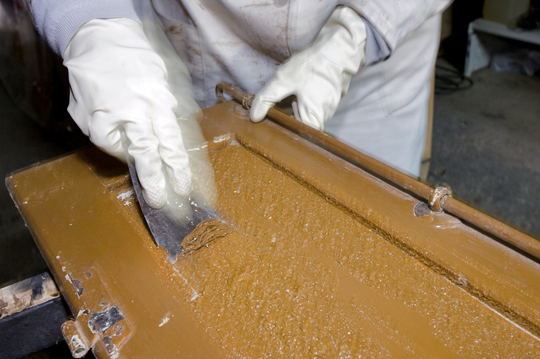
Trying to remove paint can be quite a challenge. Chemical paint strippers can make the process easier, but with all of the chemicals mixed into them, you might find yourself asking: Are chemical paint strippers harmful?

Here’s some information about chemical paint strippers that might come in handy when deciding if you should use them.

Origins: Chemical paint strippers became popular for removing old, lead-based paint without spreading the lead around the room like other techniques might. Although they are popular for keeping us safe from a harmful substance, it must be understood that they include chemicals in their make-up as well.

Chemicals: Different strippers have different chemicals in them, but most of them include some amount of methylene chloride and other abrasive chemicals which can cause paint to peel off. This chemical is typically considered by doctors to be harmful to your health if ingested.

Proper Precautions: Although the chemicals in paint strippers can be harmful, as long as you follow the proper precautions, your health will not be at serious risk.

1. Go outside. Using a chemical paint stripper indoors lets the chemicals build up in your breathing space, thus contaminating the air. If you can take the object you have stripped outside, then do it. If not, open all windows, and turn on fans to help the chemicals blow outside. Also, take many breaks for fresh air.

2. Protect yourself. Wear a good quality breathing mask, goggles, gloves, and long sleeves or pants.

3. Stay focused. Do not eat, drink, smoke, or otherwise ingest anything while using the chemical stripper. If you accidentally get the stripper on your skin or face, wash it off immediately.

Should You Use Chemical Paint Strippers?

Are chemical paint strippers harmful? Well, they can be harmful. If you’re pregnant or unable to follow the suggested safety procedures, then you should not use them. But as long as you do it the right way, you should be able to remove the paint easily and effectively. If you need professional assistance, TalkLocal can connect you with painters in your area who can help. Our service is fast and free.

How To Tell If You Have Bedbugs

Tuesday, July 9th, 2013

How To Tell If You Have Bedbugs - Pest Control

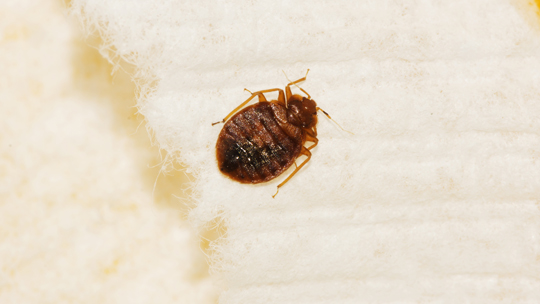
Bedbugs are not just fictitious creatures our parents warned us about when we were little. They can present a serious issue. Bedbugs are tiny, reddish-brown in color, and nocturnal. That means while you sleep the night away, they’re up and running around, looking for a good meal.

Since most of the pesticides which prevent bedbugs have adverse effects on humans, we don’t often make it a point to spray our beds with them. Learning how to tell if you have bedbugs is the key to knowing when you need to implement the typical prevention methods.

How To Tell If You Have Bedbugs:

Is your bed stained?

Bedbugs leave behind secretions, similar to human sweat, which may stain your sheets, headboard, and baseboard reddish-brown. These secretions can stain pretty much every part of your bed. The stains aren’t always large and noticeable, like spilling grape juice on the sheets. You should inspect the bed carefully to look for even miniscule reddish-brown stain spots.

Do you smell something abnormally sweet?

The same secretions which leave those reddish-brown stains also produce an odor that has become telltale for bedbugs. This odor is typically musty and sweet, comparable to over-ripened raspberries. Even the slightest smell can be a sign that you have bedbugs. If the smell is incredibly strong, that means you have a rather large infestation.

Have you noticed rashes on your body?

Although you can’t feel when a bedbug bites you because it anesthetizes the area like mosquitoes do, you can certainly feel the after-effects. The small rashes surrounding the bites look like hives, are red, and are very itchy. The itch can be alleviated with topical creams available over the counter, but the rashes themselves take a few days to heal.

Can You See Them?

Bedbugs are small and often hide when you are on the lookout for them during the day. Check the creases of your mattress. They often hide there. Spotting a bedbug puts the mystery to rest.

Where To Find Professional Help 

If you used these tricks on how to tell if you have bedbugs and determined you do have an infestation, it’s time to get rid of them. Pest control specialists have this down to a science and can be a huge asset. To find one locally, visit TalkLocal and put in a request for service. We do all the work while you sit back and wait for help.

How To Build A Pebbled Path

Tuesday, July 9th, 2013

How To Build A Pebbled Path - Landscapers

Making a pathway in your yard or garden is a great way to break up the look of your landscape and avoid stepping on your lawn or plants. For instance, you could start your path at the patio and wind it throughout the yard.

You have many options when it comes to the type of pathway you want to make. Some people prefer to make wooden pathways, others like cement pathways.

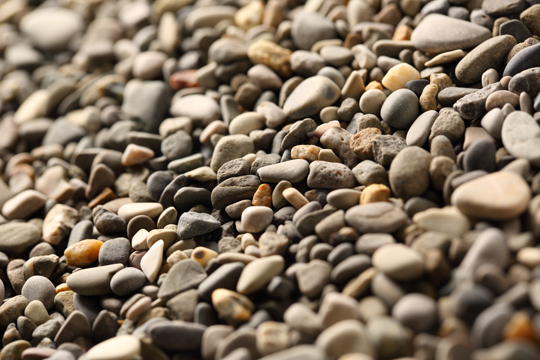
One of the most inexpensive and easy-to-make pathways is a pebble pathway. Here’s how to build a pebbled path that will make your garden or yard look great.

How To Build A Pebbled Path

1. Mark off the area where you want to build the path. You can use stakes and string to do this. Make sure you mark both the length and the width of the path.

2. Use a shovel to dig up the area of the path. Dig four to five inches down into the ground. Try to make this dug-out path as level as possible.

3. Add gravel a little at a time and use a shovel or rake to spread them easily along the path. Add the gravel in layers instead of sections so you can keep the pathway level.

4. Once the gravel has been added, use a water hose to wet it down. This will prevent the dust and dirt from getting out of control and allow you to see and breath more easily while working on the path.

5. Use a hand tamper to compact the gravel and prepare it for the pebbles.

6. Add the edging to the pathway. The edging will help keep the pebbles from spilling over into the yard and will give the pathway a clean look.

7. Pour the pebbles on top of the gravel and spread them evenly across the path. Make sure they do not spill over the edging.

Now that you know how to build a pebbled path, you can make as many as you want. Get creative and try new shapes and designs. Not only are pebble paths easy to make and nice to look at, but they are also useful and can improve the appeal of your yard.

Landscapers Can Help, Too

If you do not want to take on this task yourself, simply contact professionals in your area who have mastered this type of landscaping. Don’t waste your time looking for these landscapers in the phone book, though. Log on to TalkLocal and find out why countless people use our service to find professionals in all industries. We connect you with the right professionals in just minutes.

Touchpad Suddenly Stopped Working

Monday, July 8th, 2013

Touchpad Suddenly Stopped Working - Computer Repair

It’s infuriating when it happens. You were happily clicking away until the laptop touchpad suddenly stopped working. You didn’t have a mouse and you were ready to call a computer technician. Don’t pick up that phone just yet. Usually, a faulty touchpad can be fixed with some simple troubleshooting.

My Touchpad Suddenly Stopped Working!

1.      Clean your touchpad using rubbing alcohol and a simple cloth.  Shut down the computer before cleaning, and then gently wipe your touchpad with the rag and alcohol, but be careful not to soak your laptop. Do not poor the rubbing alcohol directly on your computer.

2.       Remove any foreign objects around or between the buttons on your keyboard and touchpad with a pointed item. Dust and debris can prevent your keys from working properly.

3.       Turn on the computer.

4.    Enable the touchpad using one of the function keys (this is different for each computer).

5.       If that does not work, Go to Start > Right click on Computer.

6.       Select Properties > Device Manger.

7.       Select Synaptic touchpad under Mice and Other Pointing Device.

9.       Select the Driver tab > Properties box.

10.   Click on Update Driver.

11.   Restart your computer. If the problem has not been fixed, uninstall and reinstall your drivers. To uninstall your drivers, follow steps 4-7 and choose Uninstall from the Driver tab.  Then reinstall by repeating steps 4-9.

12.   Update the OS systems and BIOS on your computer.

Need Computer Help?

If these troubleshooting instructions do not work, you may want to find a computer professional. TalkLocal can connect you with the best computer repair professionals in your area. Just tell us what you need, where you are, and when you’re available, and we’ll find the right professionals for you, in just minutes!

Use Manual Levels

Monday, July 8th, 2013

Use Manual Levels - Handyman

When you take on any type of carpentry project, you will certainly want to know how to use manual levels. Being able to properly use this important tool ensures that you are building things (i.e. a shelf) straight and that one side is not slouching.

Laser levels may be the latest in the evolution of this tool, but there is no substitute for manual levels. While laser levels can help you layout lines where your objects are going to go, only manual labels are able to test whether what you have built is level or not.

How Does A Manual Level Work?

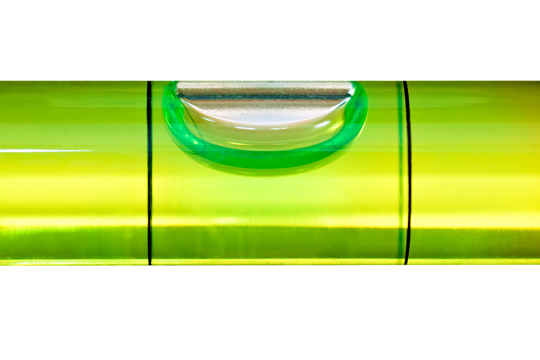
The beauty of a manual level is the fact that it is ultra simple to read and understand. All levels have at least one (many have more) vial of water with two lines painted on it. Inside the water is an air bubble.

You lay the level down on the surface you are measuring. If the bubble lands safely within the middle of the two lines, that indicates the surface is level. If the bubble falls partly outside of the lines or even touches one of the lines, that means the surface is slightly sloped in one direction.

Checking The Accuracy Of Your Level

Before you use manual levels, it certainly does not hurt to make sure it is providing accurate readings. Even though there is no electronic component, there is always a chance that the level might be damaged and not properly measuring the standard of level.

Set the level on a surface you know is flat and make sure the bubble falls within the two lines. Turn the level around and test it again. If the bubble does not give a consistent measurement, you can look into replacing the measurement vial.

Need Help With A Project?

It might be easy to use manual levels, but that doesn’t mean your project will be easy. For any building project, you can always call in the assistance of a local professional. You might not even know where to start when it comes to finding help.

Luckily, TalkLocal does. Tell us about your service professional needs and we’ll connect you with someone who can help immediately.

How To Reuse Wallpaper

Monday, July 8th, 2013

How To Reuse Wallpaper - Painters

If you have leftover wallpaper laying around your house, you may be wondering how you can reuse it. Wallpaper can be expensive, and if you buy too much or change your mind about using it, you may not be able to return it. Reusing it can be a form of recycling.

If you want to avoid losing money, you can learn how to reuse wallpaper. There are numerous crafts and household uses for wallpaper. Here are a few of them.

Scrapbooking

Many people save their old wallpaper, or any extra pieces they have, and use them for scrapbooking. Wallpaper is easy to cut and can be pasted into a scrapbook or photo album just like other types of scrapbook paper.

Giftwrap

If your wallpaper scraps are large enough, you can use them as giftwrap. Since many types of wallpaper come in bright colors, fun patterns, and unique designs, knowing how to reuse wallpaper as giftwrap can really help make your gift stand out. It can also save you money since you won’t have to buy new wrapping paper for birthday parties and other special occasions.

Notebook

If you have several pieces of wallpaper left over, you can staple or bind them together to create a notebook or journal. The wallpaper will give your notebook a personalized look. You can use your notebook in the car or even keep it beside your phone to jot down quick messages.

Dollhouse Wallpaper

If you have a dollhouse or know someone who does, consider using your wallpaper inside the dollhouse. Simply cut it to size and paste it on the walls of the dollhouse. This will give your dollhouse a unique look and allow you to recycle the wallpaper.

When you learn how to reuse wallpaper, you will find that you save money and help the environment by recycling. Think of other creative ways to reuse your wallpaper and turn it into a masterpiece.

Need Help Wallpapering?

Installing wallpaper can be a tricky task. TalkLocal can get you the help you need. Submit a request on our website, and we will find three qualified professionals in your local area and get you on the phone with them. You can proceed to decide who is best for the job. You get results…instantly.

Best Soil For Fruit

Monday, July 8th, 2013

Best Soil For Fruit - Landscapers

Fruit trees are fun to grow and can add beauty to your yard or garden. While many people are able to grow fruit trees with ease, others find it difficult.

One of the top reasons that fruit trees fail to grow properly is poor soil. If you want to grow healthy trees that produce delicious fruit quickly you need to use the best soil for fruit trees. Here are some tips for getting your soil ready for the trees.

Drainage

Fruit trees need lots of water, but they also need to be planted in soil that is well-drained. Consider planting your fruit trees in an elevated area of your yard or garden so the water can easily drain away from them.

Sunlight

Fruit trees do well in constant sunlight, so plant the trees in an area of your yard or garden that is in full sun. The sun can also dry out your soil so make sure you water the trees often to keep them healthy.

Proper PH Level

Certain types of fruit trees require specific PH levels to live and grow healthy. You will need to check your soil’s PH level and add nutrients and fertilizer as needed. Be sure to research your tree to determine the proper PH level, and be careful to plant each tree in the right type of soil.

Airflow

Many gardeners make the mistake of forgetting about airflow. Trees need the proper air flow if they are going to grow full and if the fruit can grow big and healthy. Make sure the trees are planted in soil that has proper airflow and that they are planted far enough apart to allow air to get to the roots and between the branches of the trees.

The best soil for fruit trees is soil that is well drained, has the proper PH level, and offers adequate airflow. Make sure that you plant your trees in the right type of soil, and tend to them often so they can grow healthy.

Getting Proper Health

Professional landscapers know the proper conditions in which to plant your fruit trees. You can find one in your area quickly and easily by using the handy services of TalkLocal. We will connect you with the right professionals directly, in just minutes.