Archive for the ‘services’ Category


Installing Drywall Ceiling

Wednesday, June 26th, 2013

Installing Drywall Ceiling - Painters

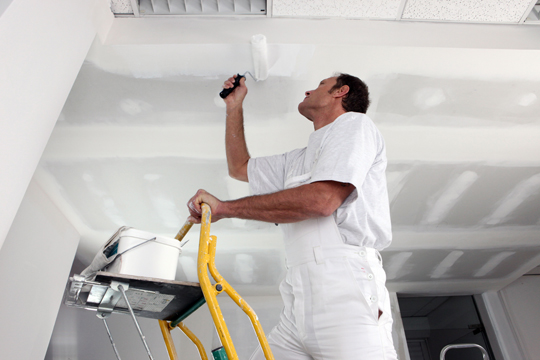
Drywall is a common type of construction material that is usually used to make walls and sometimes even ceilings. Drywall is pretty simple to repair and install, but when installing it on a ceiling, there are a few things you should remember. If you do not install the drywall properly, it could ruin the look of the room or building and cause other problems. Here are some tips for installing drywall ceiling pieces.

Cutting The Drywall

Before you install the drywall, you should measure the ceiling area and cut the pieces appropriately. Instead of trying to put large pieces up at one time, cut them into smaller, even pieces so they will be easier to handle. Drywall is easy to cut and really only needs to be scored and bent to get straight lines.

Mark For Fixtures

You want to make sure you cut out holes for your fixtures. Measure the fixtures and cut out the holes before you hang the drywall. It is much easier to cut these holes on a flat surface instead of trying to cut them once the drywall ceiling has been installed.

Installation

Drywall is not hard to install but it does take some maneuvering. If possible, ask a friend to help you. Drywall pieces are not heavy but they can be awkward and difficult to hold up alone. You should also use a drywall jack. This will help take all of the weight off your arms and help hold the drywall in place.

Installing drywall ceiling pieces is a great way to give your ceiling a new look. Most ceilings can be finished in just a day or two, so you can move on to other home projects. Not only is the installation fairly simple, but drywall is also inexpensive and will last for many years. Keep the above tips in mind when you install your next drywall ceiling.

Find Help In Your Area

When drywall installation proves especially tricky, consider seeking help. TalkLocal lets you bid farewell to the days of flipping through the phone book and placing call after call in hopes of finding someone who can help. Now, all it takes is a few clicks of the mouse and a little bit of information, and we’ll connect you to the local professionals who can help.

Cost Of Removing Your Own Garbage

Tuesday, June 25th, 2013

Cost Of Removing Your Own Garbage - Garbage Removal

Some especially thrifty individuals simply cannot stomach the idea of hiring a garbage collection service to remove their waste for a monthly fee. This is especially true when you can just as easily bring your own garbage down to the city dump. You can always compost some of your waste, too.

So, this do-it-yourself method is superior, right?

Well, not necessarily. There is still a cost of removing your own garbage, you just might not notice it. These costs come in a variety of forms. It is your job to determine which is a better value for you — hiring someone to haul your trash away or doing it yourself.

Gas Money

The money for fuel should figure into the cost of removing your own garbage. You will have to get in your car and drive to your area’s designated dump site. In larger cities or counties, this could be a longer drive. Plus, you can plan on making weekly trips so that your garbage doesn’t pile up.

In today’s economic climate, gas is not cheap, which only makes this expense greater.

Your Time

People always forget to place a value on their time when they should. Your time equals money, and you will be spending plenty of time driving your trash down to the dump and sorting it accordingly.

When you enlist the help of a garbage collection service, all you have to do is roll the trash bin out to the curb and you’re done. This saves you a lot of time and, in turn, money.

Cleaning / Deodorizing

We don’t have to tell you that trash does not smell pleasant. Unless you have an open bed pickup truck, that trash has to be in the vehicle with you as you transport it to the dump. Suffering through the nasty smells that are left behind are a non-monetary cost of removing your own garbage. However, if you find you have to purchase items to freshen the smell in your car, that will cost money.

So, You Want Someone To Pick Up Your Trash After All?

As you can see, removing your own garbage isn’t automatically the better option. If you need someone to remove your trash, TalkLocal can connect you directly with a local company for the job. Visit our website to try our free service today.

Pain After Physical Therapy

Tuesday, June 25th, 2013

Pain After Physical Therapy - Chiropractors

Physical therapy is essential to getting your body back into shape and returning to a healthy and active lifestyle after an injury or surgery.

It can also be strenuous at times, and even though it is making your muscles stronger in the long run, it can be painful. You may leave your physical therapy session feeling worse than when you went it. You might be dying for a relaxing massage.

While this is inconvenient, it is not uncommon and luckily, there are plenty of things you can do to ease pain after physical therapy.

Rest

It is important to work your muscles and move around after surgery or an injury, but you also need to give your body time to rest and heal.

If you are experiencing pain after physical therapy, you may just be tired or you may be working too hard during your sessions. Talk to your physical therapist about the pain and rest between your sessions.

Your physical therapist may be able to adjust your workout to help reduce the amount of pain you experience afterwards.

Stretch

If you are sore after your physical therapy workout, it could be the result of not stretching. Take some time before you go to your appointment to stretch, or even do it during the appointment.

Stretching gets your muscles ready for the workout and will prevent soreness afterwards. Check with your therapist to make sure you can stretch safely. Some injuries and surgeries require a specific amount of recovery time before you should start stretching.

Pain Medicine

You can always take an over-the-counter pain medicine before or after your session to help ease the pain after physical therapy. Always ask your doctor or physical therapist before you start taking medicine to make sure it is safe, especially if you are taking any prescription medication, as well.

Maybe A Chiropractor Can Help 

The next time you experience pain after physical therapy, try one of the solutions above. Nobody should have to live with pain on a daily basis.

Chiropractors have a lot of experience helping men and women rid their bodies of aches and pains. Find one through TalkLocal to see if he or she can help. Just visit our site and submit a request, and we will connect you with a qualified professional directly. It’s fast, easy, and free.

Vines Growing On A Brick House

Tuesday, June 25th, 2013

Vines Growing On A Brick House - Landscapers

A lush growth of plants on a building can bring a look of quaint, old-world sophistication. Charming cottages appear even more charming when flanked by leaves and vines; even the heralded Ivy League is so named for the impressive vine growth on buildings.

Beneath all that charm and beauty, though, lurks danger. Excessive vine growth can exacerbate cracks in brick or mortar, or damage a home’s paint job. Runaway vines can also facilitate an invasion of bugs, birds, or even small mammals. Vines growing on the outside of a structure can also trap moisture, leading to seepage, wood rot, and other problems. If you are dealing with vines growing on a brick house, there are some things you should know.

English Ivy, the most common form that grows on buildings, is very resilient. These plants are considered invasive, and getting rid of them won’t be as simple as pulling them out. In fact, grabbing a handful and tugging may do more harm than good — especially if the vines growing on a brick house have already found their way into the mortar or wood. Other common plants that grow on brick include:

Clematis: Similar to English Ivy, Clematis is less invasive as it requires support structures to grow.

Sweet Peas and Runner Beans: These are relatively harmless growths that produce pretty flowers and do not damage brick. However, they do attract birds, insects, and everything that feeds on them.

Succulents: There are many types of succulent plants that are just as feisty as vines growing on a brick house. Many succulents thrive there because their needs are so minimal. The good news is, they are easy to remove by hand.

How To Eliminate Vines Growing On A Brick House

1. Spray the ivy with a strong solution of warm water and a grease-cutting dish soap. The one they use to clean oil spills from animals is best.  The dish soap will wash away some of the protective oils on the plants.

2. Use heavy work gloves and spray carefully with a weed killer.  You may need to repeat this process in three days for it to make a noticeable difference. Resist the urge to mix the weed killer more strongly.

3. You’ll know it’s working when the ivy turns less green and shrivels a bit. This means the vine is drying out and dying, so it’s safer to pull it from your building without causing further damage.

4. If you can find them, use garden shears to cut along the walls, separating the ivy from the feeder veins.

Need Help?

Many landscapers can rid your lawn of these pesky plants. To contact a local professional who can help, try using TalkLocal. We take the work out of the search process, connecting you directly with the best professional for your needs!

How To Save Energy With Home Improvements: Windows

Tuesday, June 25th, 2013

How To Save Energy With Home Improvements: Windows - Window Replacement

When remodeling your home, you may be considering replacing your windows. How do you know which windows to choose? If you are wondering how to save energy with home improvements, windows are the lowest-maintenance method of doing so.

If you are simply comparing prices, energy-efficient windows will not seem like the best choice because they usually run at a higher price than less efficient windows. However, paying a little more now could save you in the long run.

Why Worry About Saving Energy?

The less energy we use, the less fossil fuels need to be consumed to produce the energy in the first place. This reduces the amount of carbon emissions released into the atmosphere. If you aren’t as concerned about your carbon footprint, you may be concerned about your wallet. Less consumed energy equals less money spent.

Energy Star

When considering which windows to purchase, look for the blue and white Energy Star. Any product which has this star on the label has been tested and approved by the United States Environmental Protection Agency, meeting, or exceeding, a rigorous set of standards. You can trust that if any product carries this label, it will meet the efficiency standards designated to it.

How They Work

Windows that are more energy-efficient are sealed better than regular windows and often carry a double layer of glass with a pocket in between.

Sometimes, this pocket is filled with a low emissive gas. This glass prevents temperature changes from the sun or cold air outside. A low-e window can save you anywhere from 7 to 15 percent on your energy bill. This will eventually pay for the slightly more expensive windows.

Talk Local Can Put You In Contact With Window Replacement Technicians

If you still aren’t quite sure if this is a good answer to your question of how to save energy with home improvements, ask an expert. TalkLocal can find a window replacement technician in your local area who can help with your projects. Our concierge service connects you directly, quickly, and for free.

Diatomaceous Earth Hazards

Tuesday, June 25th, 2013

Diatomaceous Earth Hazards - Pest Control

You may not be familiar with diatomaceous earth, but it is a substance that is found in a lot of different items we throw away. There are also a number of diatomaceous earth hazards, which is why we should be conscious of it and make sure it does not compromise our health and well being.

What Is Diatomaceous Earth?

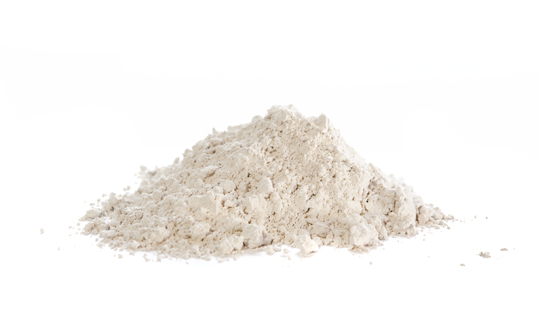
This is a very fine powder-like substance that is produced, hard-shelled algae which has been fossilized. This allows it to crumble into the power form. While the term might be foreign to most, this substance is actually used in a number of consumer products, including, but not limited to:

          – Pest control products

          – Fire resistance materials

          – Absorbents

          – Soil used in the hydroponic process

          – Toothpaste

          – Metal polish

Because diatomaceous earth is so prevalent, plenty of it makes its way into landfills, which can pose a problem. The substance contains an overwhelming amount of silica, which is a proven health hazard.

Diatomaceous Earth Hazards When Inhaled

This substance is especially dangerous when people breath it in. The powder can cause problems in the nose and throat areas. A person might instantly feel that their nose and throat have become dry and irritated. Over time, diatomaceous earth can also take its toll on men and women through the form of lung disease. In some cases, diatomaceous earth has caused lung cancer.

Why Nothing Is Done

When products contain known carcinogens, federal health agencies generally intervene to make sure they are disposed of properly. No government agency has addressed diatomaceous earth because silica is only a suspected carcinogen and not a known one. Sadly, this means that people are on their own when it comes to avoiding diatomaceous earth and the hazards that come with.

Safety Tips

If you are working around diatomaceous earth, make sure to wear a safety mask. You do not want to breath any of it in. If you already did, take deep breaths of fresh air and seek medical attention.

Using Diatomaceous Earth For Pest Control

Knowing that diatomaceous earth is in many pest control substances, you might want to rely on professionals to take care of these duties around your home. Professional exterminators have all the necessary safety equipment to get the job one.

TalkLocal can help you find local pest control expects. You will be amazed at how easy it is.

Microsoft Office On Windows 8

Monday, June 24th, 2013

Microsoft Office On Windows 8 - Computer Repair

Much of the reason users were so pumped about the arrival of Window 8 was because it ushers in a new operating system. While most people would consider this an upgrade, a change in operating systems will never come without its share of casualties.

If you have older programs, it is understandable that you would be concerned whether they would work on Windows 8. One of the most important programs that users go to is Microsoft Office. So, are there any problems with your Microsoft Office on Windows 8?

Read on to see how you can check.

Windows Compatibility Center

You can use the Windows compatibility center to determine if your version of Microsoft Office on Windows 8 will work.

Here, you can check on all the various versions of Microsoft Office — and there are plenty. This is important because some versions will be compatible with Windows 8, while others are partially compatible, and still others are completely incompatible.

While Microsoft Office was released as an app on Windows 8, the individual programs (i.e. Word, PowerPoint, etc.) were not, which has caused significant confusion.

Stay Conscious Of Compatibility Issues When Shopping

Not everyone purchases the brand new version of Microsoft Office. This makes it important to do your homework before you go about purchasing an older version of the software. Check with the compatibility center or search online forums or help websites to determine whether your software will even function on your computer.

Get Computer Help

Microsoft Office on Windows 8 will take some getting used to. Those that have used this software for years will certainly be thrown for a little bit of a loop.

If you need computer help, TalkLocal gives you instant access to those that can help. We find professionals in your area and connect you with them. You’ll never have to suffer more than a couple minutes with a debilitating computer issue.

How To Save Energy With Home Improvements: Appliances

Monday, June 24th, 2013

How To Save Energy With Home Improvements - Appliances - Appliance Repair

One of the most common methods of learning how to save energy with home improvements is through appliances. As the concept of “going green” has grown significantly in the past few years, many energy efficient appliances have made it into the market. Why should you invest in these appliances, and how can you be sure they even do what they claim to do?

Why Replace Your Appliances?

As your old appliances age and begin to have problems, they will become less efficient. New appliances which are marked for energy efficiency not only consume less energy, they function better than their less energy-efficient counterparts. Additionally, if you use appliances which use less energy, you could save a significant amount on your monthly energy bills.

What to Replace?

Go through your house and see which appliances consume the most energy. Sure, your light bulbs may be on frequently, and you may watch a lot of television, but consider what appliances consume large amounts of energy.

Your refrigerator, dishwasher, clothes washer and dryer, and HVAC system all make up the majority of your energy bill. Replacing one of these appliances with an energy efficient counterpart can have an impact on your bill. Replacing many of them can save you a significant amount and is beneficial to the environment, too.

What to Look For

The United States Environmental Protection Agency has a qualification called Energy Star. Any appliance carrying this label (a blue and white star) has been evaluated by the EPA and meets, or exceeds, a rigorous set of standards. You can trust that any appliance you purchase with one of these labels will be as efficient as it claims.

Do Your Appliances Need Fixing?

If you are not sure which appliances are the answer to how to save energy with home improvements, consult an expert. TalkLocal can find a qualified professional near you. Our service is easy to use, fast and free.

We instantly boil the cumbersome search process down to three qualified professionals and let you make the final decision. Test it out.

What Does Lean Mean?

Monday, June 24th, 2013

What Does Lean Mean? - Personal Trainers

In the world of health and fitness, you may have heard the term “lean” being thrown around, but what does lean mean?

It really depends on the context. You may hear someone talk about wanting to only eat lean meats or foods, or you may hear someone say that they want lean muscle mass rather than to bulk up.

Trying to build lots of muscle and trying to trim down fat don’t necessarily go hand-in-hand, and it is important that you know the context and to consult a personal trainer prior to following anyone else’s regimen.

Meats

In terms of eating lean meats, this generally means little to no red meat, as red meat (such as beef) usually has more fat. Venison (deer) and other wild game meats are considered lean. Eating lean meat will provide a person with the same (or more) protein as fattier meat without all of the bad fat. Typically, those eating lean eat this way in order to feel full and lose weight.

Exercise

There are often two types of people at the gym: those who want to lose fat and be small, and those who want to lose fat and gain lots of muscle. Although both are technically “lean” (not having much fat), the term is generally associated with the former.

To garner a lean build, most men and women emphasize cardiovascular (running, aerobics, etc.) workouts in addition to some strength training. On the other side of the coin, if you were looking to bulk up and really build a lot of muscle, you would focus more on weight lifting and less on cardiovascular work.

Still Lost? Find A Local Resource

If you still don’t fully understand the answer to the question: What does lean mean? then that’s okay. There are professionals available to help with all your diet and fitness needs. It is important to consult these professionals because, while you may be dropping weight, you could be losing both fat and muscle depending on your diet.

Only a professional can tell you if you are eating properly and exercising correctly in order to reach your goal. TalkLocal can find a personal trainer in your area at no cost to you. Our service is very easy, and you will be speaking with a professional in minutes.

Use Laser Levels

Monday, June 24th, 2013

Use Laser Levels - Handyman

As technology advances, even the most basic tools get new spins and improvements to help us. When building or measuring, especially when installing shelves or hanging décor, you want to keep things level and straight. Nowadays, laser levels are replacing traditional water levels. Knowing how to use laser levels can make your construction or do-it-yourself project speed by in no time.

How to use laser levels:

Prepare: Make sure your batteries are fully charged and ready to go. Sit the laser on a level surface to test it out so you know whether you need to adjust the water bubble or not. Make sure you have any wall mounts necessary if you’re doing ceiling work.

Test: You will want to test the calibration of the laser level. Put the level on the floor near the end of a long wall. When you turn on the laser, you’ll want to mark the line with a pencil at either end of the wall. Now, move the level to the other end of the wall and check to see if the line still matches both marks. That means it’s properly calibrated and ready to go.

Use: Now that you have prepared and tested your laser level, you’re ready to use your level for your job. The level can produce lines that are vertical, horizontal, curved, sloped, and so on. Many can produce more than one line at once and certain laser levels can rotate as, well. Make sure you select the line you need. If you will need to change settings often, you may consider purchasing a laser level with a remote control.

Care: Taking care of a laser level is different from taking care of a water level. When it isn’t in use, you need to make sure it is turned off and locked into its carrying case. When you’re going a long time without using it, remove the batteries or battery pack so they won’t drain.

Safety: Although they make the job a lot easier, laser levels aren’t toys. Make sure you’re wearing reflective eye protection. Do not ever look into the beam or point it at anyone, and make sure you shine it away from other workers when moving or adjusting the level.

Finding Help For Projects

Using a laser level can make your job smoother, easier, and faster. If you need help picking one out or just have questions for a handyman, TalkLocal can connect you with the experts in your area who have the answers.

We gather a little bit of information about your needs so that we only feed you relevant results.