
Archive for the ‘services’ Category


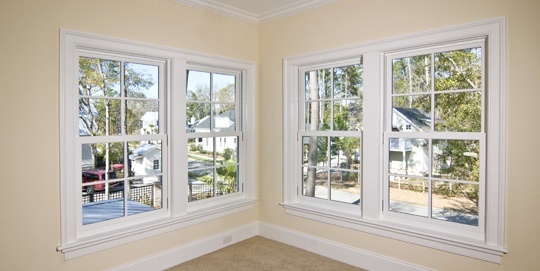
Handyman Certifications

Friday, January 3rd, 2014

Handyman Certifications - Handyman

When you need professional help to conduct important home improvement projects, it is advisable to hire competent, licensed, certified, and fully-trained specialists who live and work in your area.

This way, you’ll be able to prevent costly scams and unpleasant surprises and obtain excellent results on time and on a budget. Here are a few basic things that you should know about handyman certifications.

License Requirements

The fact that you have basic handyman skills doesn’t actually turn you into a respectable professional. To get many clients and make a name for yourself as a handyman, you have to graduate a technical school, pass training courses, and take pride in years of hands-on experience. Note that license requirements for handymen contractors vary a great deal by state.

Reasons Why It’s Important to Hire ACHP Members

Experienced handymen can complete a variety of assignments, with different levels of complexity. From timely solutions to painting, plumbing, heating, and cooling problems to home inspections, architectural services, and expert guidance around the clock, the real pros in this line of business offer you the assistance you may need to turn your home and/or business into a truly comfortable environment.

The Association of Certified Handyman Professionals (ACHP) based in Florida gathers respectable, knowledgeable handymen who provide premium, decently-priced services.

ACHP makes it easy for people to locate a trustworthy handyman and offers them all the references they may require to make an informed decision. Handyman who have the ACHP certification are licensed, trained, and eager to respond to your emergency calls at any given point in time.

Opt for UHA-Certified Companies

Always choose to collaborate with businesses certified by the United Handyman Association (UHA). They provide more than satisfactory services and offer you a much-appreciated fraud protection guarantee.

Ask an Expert

Want to find out more about handyman certifications? In this case, meet the most competent handymen in your area and get the most accurate answers to all your questions. Use TalkLocal, a free concierge service that connects you with gifted professionals who operate in your area.

Water, Water Everywhere: Leaky Home Repairs, Part 2

Friday, January 3rd, 2014

Water, Water Everywhere: Leaky Home Repairs, Part 2 - Plumbers

Just as I encountered two of the most common leaky home repairs that you may encounter as a homeowner — in the attic and in the bathroom –I have had to deal with other leaks in and around my home.

In the Kitchen

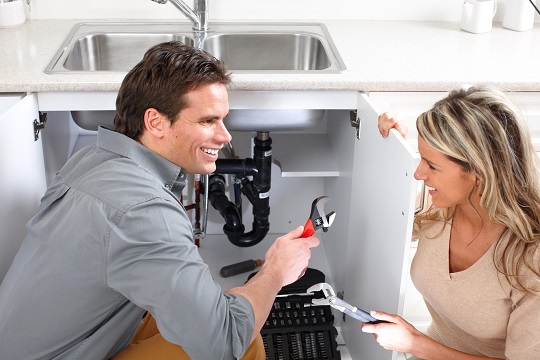
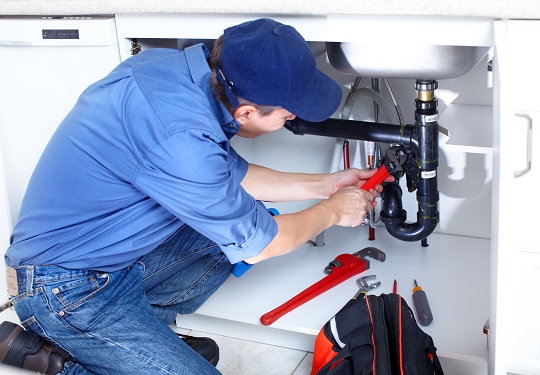
Yet another hot spot for leaks is the kitchen. Under my kitchen sink, the previous tenants obviously did some damage. Somehow they installed the garbage disposal incorrectly, and every time that or the dishwasher was used the plumbing would leak.

I didn’t know about if for a while until the cabinet began to stink. After cleaning out the cleaning supplies and being totally grossed out at the slimy mold that was growing down there, I had to rip out that wood altogether.

While down there, I accidentally discovered the source of the leak. After uninstalling everything, replacing the pipes with the help of a plumber, and then re-installing everything, the leak was finally fixed. Of course, to get everything really fixed we had to cut off the pipe down to the wall and start from scratch. We also discovered that the amazing house builders had chosen to put the main drain for my home under my kitchen sink as well. That will be fun to deal with should anything ever come up.

In the Wall

Another incident that occurred was the fault of a storm. During a rain storm, a ladder was blown over on top of the back yard faucet. Nothing looked out of place, but the pipe inside had been twisted and developed a small but growing leak. We knew nothing about it until we noticed that a section of the interior wall and the carpet around it was damp.

We had to cut away part of the home’s siding to get to the pipes. After a plumber came, we had to cut off the broken pipe and attach a new one before we could stop the leak.

In the Yard

Last but not least, the most mysterious leak we ever had was in the yard. During a very bad dry season when the land was contracting at an alarming rate, I wondered why a section of the grass in my yard was greener than the rest. When the water bill came, I was shocked to see it had more than doubled. The water company agreed to recheck the meter. However, when the man opened the lid, it was full of water! It turns out that a part of the water pipes from the water main to my home had cracked underground. Of course this was not covered by the water company, so I had to pay the bill and pay to get the pipe fixed.

Our faithful plumber came out and thankfully only had to dig up a small section of the yard before finding the source of the leak. An underground leak is not easy to find!

As you can see, water leaks can cause many problems and be found in nearly any place in your home. The best thing to do is keep your eyes open for anything that signifies a leak. Wet spots, discoloration, or even green grass can mean there is a problem. Let TalkLocal connect you with a professional as soon as possible to avoid having to repair even more damage.

Author Bio: This is a guest post by Liz Nelson from WhiteFence.com. She is a freelance writer and blogger from Houston. Questions and comments can be sent to: liznelson17 @ gmail.com.

Microsoft Office 2010 Windows 7

Thursday, January 2nd, 2014

Microsoft Office 2010 Windows 7 - Computer Repair

Technological breakthroughs have made it possible for us to turn any indoor space into the perfect work environment. Microsoft Office 2010 and Windows 7 make no exception. They come in handy for people who want to simplify their daily assignments, save a significant amount of time, and focus on the core of their business.

Jump Lists Offer You Fast Access to Your Most Recent Files

With Microsoft Office 2010 and Windows 7, you don’t have to waste your precious time trying to spot and open your most recent work. Your last files can be accessed with two clicks.

Jump Lists, created for every single Office program, enable you to check out your latest files and all the other elements that you open on a regular basis, in the blink of an eye. Jump Lists also make it easier for you to send email attachments via Outlook: you just have to open your list and drag the item that you plan to attach and send.

Outlook Features Ensure Much More Effective Time Management

Outlook features can help you battle procrastination by setting and complying with strict deadlines. You just have to drag the doc that you’re working on onto your calendar: this simple action will allow you to set your priorities straight.

Thumbnail Previews Make Things a Whole Lot Easier

Don’t have excellent multitasking skills? In this case, thumbnail previews will simplify your daily assignments and make you feel less confused, especially if you like to open several documents at the same time.

Create and Broadcast Flawless Presentations

Windows 7 is a great ally for people who have to elaborate and share memorable, attention-grabbing presentations.

Rely on an Expert Opinion

These are only a few of the amazing advantages provided by Microsoft Office 2010 Windows 7. Don’t know which Windows version would be more suitable for you? In this case, discuss your options with a computer repair expert. Find the best one in your area with TalkLocal, your one and only expert tracking service.

Foreign Car Mechanics

Thursday, January 2nd, 2014

Foreign Car Mechanics - Auto Repair

Many people prefer to drive foreign cars for various reasons, such as brand, design, and performance. There are more and more European and Asian cars on the road, including BMW, Volkswagen, Mercedes Benz, Audi, Toyota, and Hyundai.

Like all cars, imported cars need regular servicing. When it comes to finding foreign car mechanics, drivers usually expect to pay more for maintenance and repair services. This is true in many cases. However, you can keep car repair costs down if you find the right mechanic specializing in foreign cars.

Here are some tips to keep in mind when looking for foreign car mechanics.

Explore Your Options

There are two ways to solve your auto repair problem if you own a foreign car: taking your car to the local dealer specializing in your particular foreign car brand, or finding an auto repair shop that has an established reputation for repairing imported cars.

Find Foreign Car Mechanics at Your Local Car Dealership Selling Your Preferred Brand

All import car brands have their own repair centers. You can go to your local BMW or Toyota dealership, for instance, and talk to a mechanic specializing in your preferred auto brand.

The downside is that foreign car dealers offering repair services tend to be pricey. The good part is that you can be sure that your car is in safe hands. However, there’s another option available.

Look for a Good Mechanic Specializing in Foreign Cars

Take the time to search for reputable auto repair shops that specialize in foreign cars. Check their reviews and ask for a price quotation. Compare rates and find out what people think about their services. If you can talk directly to another driver who uses their services, it’s even better. Firsthand experience is the best warranty when it comes to car repairs.

Need Help?

If you own a foreign car, and can’t find an experienced, trustworthy mechanic, TalkLocal can do the search for you. We can put you in touch with reliable local professionals in no time. For free!

Different Electric Heaters Homes Can Use

Thursday, January 2nd, 2014

Different Electric Heaters Homes Can Use - Heating and Cooling

With a portable electric heater, you can keep certain spaces in your home warm and comfortable without having to heat your entire house. Always plug the heater into an electric outlet and not into an extension cord. Keep it at least three feet away from furniture, bedding, curtains, or drapes. Here’s a quick guide to different electric heaters homes can use:

Oil-filled radiators

This heater has the appearance of a traditional radiator. It produces heat when electricity warms the oil inside it. Oil offers good heat retention, so this type of heater gives off warmth for some time even after it has been turned off. It is best used in the living room and in bedrooms.

Fan-forced heaters

A fan-forced heater has an integrated ventilator that propels air over metal coils heated by electricity. You can adjust the airflow so that it focuses on only a specific area of a room, such as the sitting area. It is perfect for offices and workshops.

Ceramic Heaters

These types of electric heaters for homes make use of ceramic plates with metal embedded inside. When this metal is heated by electricity, heat is given off to the surrounding areas. Ceramic heaters provide focused heating quickly and do not get hot to the touch. They are available in various shapes, so they are perfect for sun rooms, porch enclosures, and small offices.

Low-Profile Heaters

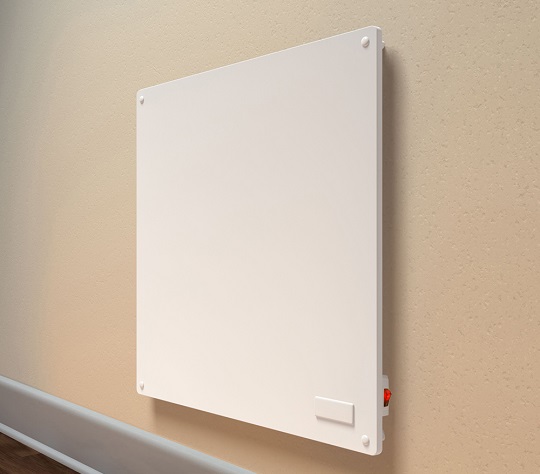
This device works by using electric cables to heat internal copper tubes through which air moves. Many units have built-in thermostats. Low-profile heaters are quiet and can easily heat big spaces and, therefore, make ideal electric heaters for homes with family rooms and basements.

Need Heater Repair?

Is your portable electric heater giving off an odd burnt smell? Did the light, fan, or heating parts just stop working? Before you toss out your heater or try to remove the back off and attempt to fix it yourself, call in a qualified technician to take a look at it.

They should be able to tell you if repair is possible or you need to replace the heater. TalkLocal can get you connected with three local qualified, technicians now. Use our free service and find the right professional fast!

Asphalt Roof Cleaning

Thursday, January 2nd, 2014

Asphalt Roof Cleaning - Roofers

Roof maintenance is essential if you want to keep the full functionality of your house and preserve the value of your property. The roof maintains the structural integrity of your home, allowing you to enjoy the comfort you’ve created inside for you and your family. To make sure your house is in tiptop shape it’s necessary to perform regular asphalt roof cleaning.

Here are some tips on asphalt roof cleaning and why it is a must.

What Are the Most Common Asphalt Roof Cleaning Methods Available?

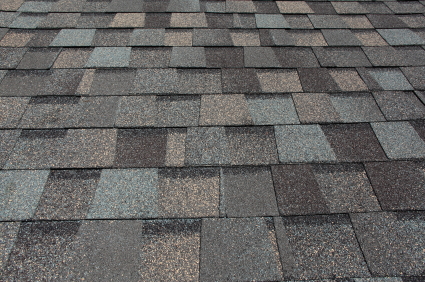
Roof shingles are deteriorated by exposure to the elements. Moisture can lead to mildew buildup and staining. To restore the appearance of your roof, you can use several asphalt roof-cleaning methods.

Pressure Cleaning

This method is recommended for concrete, metal, or tile roofs. It doesn’t involve chemicals, which is a plus for landscaping, but it can be time-consuming and harmful if the roof is not strong enough. It is best to consult an expert before you proceed to clean your roof using this approach.

Chemical Solutions

> Chlorine Bleach

To clean your roof, mix chlorine and water, and use the resulting solution to remove the stains on your roof shingles. After using this solution, rinse thoroughly.

This method ensures fast cleaning and does not damage the roof. However, it is important to protect yourself and your property when performing this operation. Plants can be harmed by chemical solutions, so make sure you keep the chlorine solution away from them.

> Sodium Hydroxide

Another way to clean your roof is to use special cleaning products containing sodium hydroxide. This substance effectively cleans roof shingles, but it is also toxic and can damage the roof if there’s too much sodium hydroxide in the solution.

Find a quality sodium hydroxide cleaner if you choose to use this method, and look for professional help if you’re not sure about how to do perform asphalt roof cleaning.

Need Help?

If you’re not sure about the best cleaning method for your roof, let experts do the job. TalkLocal can put you in touch with up to three professionals in your area who can take care of your needs. Our service is effective and free.

Water, Water Everywhere: Leaky Home Repairs, Part 1

Thursday, January 2nd, 2014

leaky home repairs

Even a small water leak can become a big problem. I know, because my home is the king of leaks. I don’t know what it is about a home that is more than a handful of years old, but water just seems to want to escape from pipes and other places and seek out anything it can to destroy. From collapsed ceilings to mushy yards to moldy cabinets, I have had more than my fair share of water disasters.

Here are some things you can watch out for in your home to prevent leaks, repair leaks, and fix water damage.

Leaky Home Repairs in the Attic

When I first got my house I had no idea what I was doing. I got it inspected, of course, but in reality I knew nothing about home repair or maintenance; which is why I freaked out when it started raining in my garage. Water dripped across the ceiling and onto the cars, and the ceiling drooped down in a disturbingly bubble-like fashion.

I evacuated the garage and inspected the attic, finding out that the air conditioning unit’s drain hose had become plugged, and the drip pan was overflowing. No matter how many air conditioning repair technicians I called, none could figure out how to get the unit to drain properly. They advised me to turn the unit off, but at 100 degrees-plus outside, how could I?

Eventually, part of the ceiling collapsed, and shortly thereafter, the problem was fixed. I was able to replace a section of the ceiling without a big problem, but it wasn’t something I would like to repeat.

This made it all the more frustrating when the downstairs bathroom ceiling started dripping too. With a surge of fear, I quickly called a plumber who let me know a drain pipe from the upstairs bathroom had cracked, allowing the water to drip through. We got that sealed and resolved before any major damage was done, thankfully.

Leaky Home Repairs in the Bathroom

Speaking of bathrooms, this is a hot spot for leaks of all kinds. For me, the biggest issue I have faced is with the downstairs bathtub. The faucet started to leak one day, and I thought it would be a simple repair. However, the faucet was too old to fix and needed to be replaced to stop the leak. The tile around the faucet had to be broken away to get to the pipes, and I was left with a huge hole in my shower.

After that, another disaster occurred, this one man-made. Never leave firecrackers and matches anywhere near your toilet. That auto-fill feature is killer! From wet carpets in the next room to a stinky replacement process, it was a hassle. Just for your future knowledge, it is not possible to repair a cracked toilet. Not even with lots and lots of waterproof tape.

As a home ages, it seems like the hot water pipes take the worst beating. I have had to replace the hot water pipes under both of my bathroom sinks. Thankful for WD-40, I was able to pry them off and replace them myself, as they simply screw on.

Water, Water Everywhere!

If you are having any issues with leaky pipes or ceilings, you’ll want to get it checked out ASAP. But don’t waste time calling around. Use TalkLocal to find the right professional in just minutes.

Author Bio: This is a guest post by Liz Nelson from WhiteFence.com. She is a freelance writer and blogger from Houston. Questions and comments can be sent to: liznelson17 @ gmail.com.

How to Use Wood Filler Products

Wednesday, January 1st, 2014

How to Use Wood Filler Products - Handyman

Wood filler products have many uses to repair wooden surfaces and objects. There are water-based wood fillers, which can be diluted with water, and thicker solvent-based products, which are typically used to patch up cracks and holes.

It is important to choose the product with the consistency that is appropriate to the job. Wood fillers dry to a hard finish so they can be sanded or drilled. They can also be painted over or coated with varnish, which is necessary for exterior applications.

Here are some ways to use wood filler products.

Fill Up Holes

If you have a wooden floor, fixture, or any wooden item that has a hole or crack, you can use a thick wood filler to fill up the openings. However, you can’t just jam the filler inside the crack without any prep work.

1. First, smooth out the inside surface of the crack using sandpaper and vacuum all the sawdust afterwards.

2. Then, push the wood filler in using a putty knife. Use the knife to smooth out the top.

3. Let the filler dry and then sand the area to get an even surface.

Fix Spots on Furniture and Flooring

Combine thin and thick wood filler products to fix spots on the surfaces of your wooden furniture, except on load-bearing parts like the legs of tables or chairs that will require a stronger compound, such as a wood hardener to reinforce the wood and ensure a solid base.

1. For spots on wooden floors, wood filler products with thinner consistency are normally used.

2. Spread the filler evenly.

3. Leave it to dry completely before staining.

Even Out Wood Grain

Wood filler products are also used as wood grain fillers. If you’re starting a wood project, one of the first things to do prior to painting or staining the wood for the first time is to smooth out the wood grain.

Certain woods like oak, walnut, and mahogany have large pores that absorb too much stain, so applying a coat of wood filler onto the surface will make it nice and smooth to be painted or stained.

1. Use a large trowel or putty knife to apply a thin coat of wood filler onto the surface of the wood you’ll be working on.

2. Allow the filler to dry thoroughly before sanding down the surface to smooth it.

3. Afterwards, the wood will be ready for you to paint or stain.

Need a Pro for a Wood Project?                      

If you have a job or project that needs professional handyman skills or you simply don’t have the time to do the work yourself, you can count on TalkLocal to find a qualified contractor to help you. Try our free service, and find the right professionals right now.

Pellet Stove Cost

Wednesday, January 1st, 2014

Pellet Stove Cost - Heating and Cooling

A modern, elegant, energy-efficient pellet stove represents a great long-term investment. It brings considerable financial and environmental benefits and triggers the complete satisfaction of millions of homeowners. But is the pellet stove cost a major drawback or an actual advantage? Keep reading to find out.

Discover the Most Important Reasons to Buy a Pellet Stove

Both fire logs and wood pellets allow users to experience the benefits ensured by two widely accessible, greener heating alternatives. However, pellet stoves and wood stoves display different particularities. Pellet stoves represent useful, practical appliances because:

– They can heat up indoor areas with a total surface ranging from 1,000 to 3,000 square feet

– They are up to 15% more energy efficient than wood stoves

– Require less energy than 4 X 100-watt light bulbs

– Pellets are relatively inexpensive (250 dollars per ton is the average price), easy to store and are up to 50% drier than wood

– By burning 1 bag of pellets that weights 40 lbs., a homeowner can count on a constant heat source for approximately 24 hours.

Evaluating the Pellet Stove Cost

Don’t expect to pay a fortune for a pellet stove. Most new models carry price tags ranging from $1,700 to $3,000 and up. However, if you are not intimidated by this initial cost, note there are other expenses that you should factor in.

For instance, the average home requires approximately seven tons of pallets per year. Moreover, pellet stoves have fans running on electricity that add about $9 to your monthly bill. On the other hand, in most cases, the installation of a pellet stove is cheaper than the installation of a traditional wood burner.

Rely on an Expert Opinion

Do you have any doubts regarding the pellet stove cost? If so, ask a heating and cooling expert for advice. Find the best specialists in your area with TalkLocal, a great free service created to simplify your life by connecting with the professionals in your area.

Storm Windows Parts

Wednesday, January 1st, 2014

Storm Windows Parts - Window Replacement

Storm windows parts are an effective way to insulate your windows from harsh weather conditions and minimize energy costs. Unlike other types of insulation, this is a less expensive option, which doesn’t require window replacement.

If you live in a cold climate, and you want to benefit from increased insulation, you can consider using storm windows parts. Also, if your old windows are in good condition, you don’t need to replace them to keep the heat inside the house for a longer time.

What Are the Benefits of Storm Windows Parts?

They:

– Are a great alternative for historic buildings or other architectural monuments, where window replacement is not allowed.

– Are a good option if you need phonic insulation. If you live in a noisy neighborhood, installing them will reduce the noise level.

– Reduce condensation, and also block UV rays.

– Allow you to increase energy efficiency of your home in an cost-effective way.

What about Storm Windows Parts Installation?

If you decide to use storm window parts, you can choose to install them on the interior or on the exterior of your windows. The good thing is that you can always remove them during the warm season.

The difference between interior and exterior storm window parts is that the former are less exposed to the elements, and therefore they are easier to maintain. On the other hand, exterior storm window parts are more expensive than their interior counterparts are.

What Are Storm Window Parts Made of?

They are typically made of glass, aluminum, or plastic materials. Glass storm windows provide more visibility, look better, and are more durable. Plastic storm window parts are made of special plastic, which has optical properties. They are lighter, but their visibility deteriorates over time.

Get Storm Windows for Your Home

Looking for ways to insulate your windows or want to replace your old ones? Contact TalkLocal, and we’ll connect you with professionals in your area who’ll get the job done for you. Our service is fast and free.