Heating Duct Supplies

Thursday, January 30th, 2014

Heating Duct Supplies - Heating and Cooling

A high-quality HVAC system represents an exceptional long-term investment. A modern, fully functional heating, venting, and air conditioning system will ensure an ideal temperature inside your house year-round, boost your level of comfort, and even trigger considerable energy savings for many years to come.

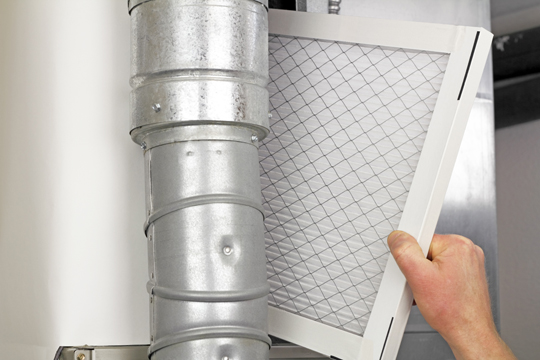
Every once in a while, it is recommended to check your HVAC system. You may notice that some components need to be replaced. In this case, you would have to find and purchase the very best heating duct supplies.

Shop around and Profit from the Best Deals

Surf the Internet to find the most respectable providers of heating duct supplies. If you don’t know how to choose the most suitable parts for your project, hire a heating and cooling expert and let them purchase all the new components that you need.

Cooling coils, fans, dampers, vibration isolators, terminal units, compressors, and air terminals are some of the most important pieces that may require repairs or replacements. After a certain period of time, you’ll have to invest in some of the pieces mentioned above, to raise the effectiveness of your HVAC system and protect your investment. For the same reason, you should invest time and effort in regular maintenance routines.

Find the Best Heating Duct Supplies

Purchase heating duct supplies only from respectable providers. This way, you’ll avoid scams and costly mistakes. Opt for products that come with an extended guarantee. Moreover, choose to do business with a supplier offering you the chance to find a large selection of HVAC components, plus accessories, like aluminum foil or sealants, enabling you to start and finalize successful DIY projects.

Ask an Expert

Want to find quality heating duct supplies but don’t know how to identify them fast and effortlessly? Rely on expert advice provided by a heating and cooling specialist. Find the most competent one with Seva Call, your free connection to the best local professionals.
Hot Tub Skirting Materials

Thursday, January 30th, 2014

Hot Tub Skirting Materials - Handyman

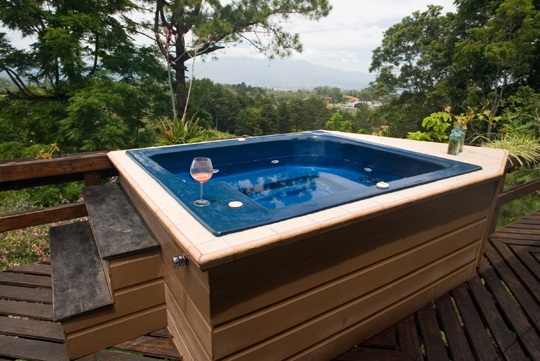
Hot tub skirting, or the cabinet that surrounds your hot tub, is typically made of durable wood, such as cedar, which is widely used in outdoor applications for its endurance to decay and insect infestation. However, nowadays composite or synthetic materials are widely used for hot tub skirting.

If you are considering installing spa skirting or replacing your old one, here are some options for hot tub skirting materials to help you decide what’s best for your needs.

Wood

Many people prefer wood for hot tub skirting because of its appealing look. It integrates naturally in outdoor spaces, enhancing the appearance of your hot tub. The most common types of wood used in hot tub skirting are cedar and teak. They are extremely resistant and can withstand severe weather conditions. More affordable options include lumber or plywood.

Composite Materials

Synthetic wood kits are another option. The panels, or siding, used to make the skirting for your hot tub is made of a material, which combines wood and plastic. They are easy to install and require less maintenance than traditional wood skirting. A lot of homeowners choose composite materials because they simulate wood, but aren’t as demanding as wood when it comes to maintaining them.

Faux Stone

If you want to give your hot tub a more rustic look, you can choose faux stone interlocking panels. Unlike wood, they don’t require staining or sanding to preserve their appearance.

Plastic Hot Tub Skirting Materials

Plastic hot hub skirting is increasingly popular because of its advantages. Skirting panels are available in several color,s and you can install them yourself if you’re a DIY’er, as many of them come in easy-to-follow instruction kits. Also, it’s easier to maintain polymer or foam hot tub skirting than wood.

Expert Help

Looking for hot tub skirting materials? Seva Call can locate a professional in your area who can give you a hand. We’ll do that in minutes. For free!

Environmental Effects of Burning Garbage

Thursday, January 30th, 2014

Environmental Effects of Burning Garbage - Garbage Removal

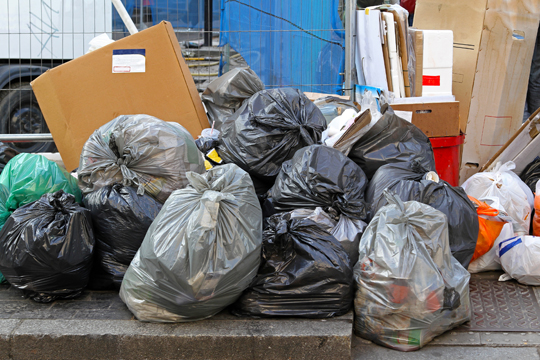
People choose to burn their garbage on a regular basis near their houses or in their backyards. This is a well-known practice, especially during drought periods. Some of them do not want to pay for waste disposal services; others find it simply easier.

There are states where garbage burning is prohibited by the authorities. Nonetheless, a considerable amount of waste, grass, and brush are turned into ashes, sometimes in an uncontrolled manner and with uncontrolled effects.

Effects of Burning Garbage and Health Risks

Recent studies have shown that this practice is a lot more poisonous than we used to think. We should all realize that we put our health and the environment at great risk. One of the consequences of garbage burning is the releasing of dioxins, which eventually pollute our water and our food.

Many medical conditions such as emphysema and bronchitis can be aggravated by exposure to smoke, whereas the dangerous substances released into the air can be the cause of insidious diseases.

Dangerous Compounds Released Into the Atmosphere

A lot of toxic substances are released into the atmosphere as a result of burning garbage. In residential communities, the smoke caused by this process contains a great amount of toxic compounds, among which nitrogen oxides, volatile organic substances, and carbon monoxide are the most dangerous.

Environmental Effects of Burning Garbage 

These dangerous compounds can seriously affect the environment. Noxious substances are one of the causes of acid rain and are to be blamed for various harmful environmental changes, such as the depletion of the ozone layer, or smog. The volatile organic compounds, based on carbon, bear photochemical reactions, and are culprits in the formation of smog.

As far as the emissions of carbon monoxide are concerned, the practice of burning garbage produces a lot more carbon monoxide than decomposition, and this dangerous substance pollutes air irreversibly. Therefore, next time you want to burn your garbage in the backyard, think twice.

Need Help with Garbage Removal?

Seva Call can connect you with trustworthy professionals in your area for safe garbage disposal. We will connect you with up to three local professionals in just minutes, for free.

Roofing Materials for Flat Roofs

Wednesday, January 29th, 2014

Roofing Materials for Flat Roofs - Roofers

If you’re refurbishing your old flat roof or are planning to install a new one, one of the most important factors you need to consider is the roofing material. There are several types of materials for flat roofs, and you should check your options to see which is best for your flat roof.

Here are a few basic features of the most common roofing materials for flat roofs.

Tar Roofs

Called built-up roofs, or BUR by professionals, tar roofs are made of hot tar mixed with gravel. They used to be made of a material called tarpaper, which is now replaced with more resistant materials, like fiberglass, for instance. Tar and gravel roofs are cheaper than other materials, but weigh a lot, and it takes a professional to install them. If you choose this type of material, make sure the joists of your roof are reinforced. Also, keep in mind that leaks may be hard to detect in this type of roof.

Modified Bitumen Roofs

This type of roofing material is similar to asphalt, which is enhanced with rubber or plastic to make it more resistant. It’s a rolled roof material, which can come in one, two, or three layers. Because it involves heating and using a torch-down system for application, it is not recommended to undertake roof installation by yourself.

Rubber Membrane Roofs

More recent roofing materials include those made of rubber membrane. They’re water resistant and withstand sunlight well. Rubber membrane roofs are lighter and easier to install than other flat roof materials. The downside is that they are more expensive than more traditional materials and can puncture easily.

Hire an Expert

Before you choose your roofing material, it is highly recommended to consult a professional. A professional roofer has the expertise to suggest which material is best for your particular roof, considering your house location and climatic conditions in the area. Seva Call can connect you with reliable local roofers in minutes. For free!

Putting in Glass Replacement Windows on Aluminum Frames

Wednesday, January 29th, 2014

Putting in Glass Replacement Windows on Aluminum Frames - Window Replacement

Aluminum window frames are durable, but they won’t stop the window glass they encase from breaking. Nonetheless, when the windowpane breaks, it is easy to remove the aluminum frames to open them and put in glass replacement windows.

Use the following steps to restore your window. Of course, before you start, make sure you order the correct glass replacement windows from your local window retailer.

Instructions

Step 1: Wear heavy-duty gloves that will prevent broken shards of glass from cutting you. Very carefully remove the pieces of glass that fell from the window assembly.

Step 2: Take down the entire window assembly from the frame on the wall. If replacing fixed windowpanes, there should be screws covered by plugs that secure the frame to window opening. Use a screwdriver to pull away the plugs so you can remove the screws, loosen the window assembly, and remove it.

If dealing with sliding type of windows, lift the assembly upward from the base until the bottom of the frame can be removed from its track.

For hinged-type windows, simply remove the assembly by removing each of the screws that secure the opening mechanism onto the frame.

Step 3: Remove all screws that hold together the window frame. In aluminum window frames, glass panes are sandwiched between the frame’s inner and outer segments. When you loosen the screws and remove them, you will be able to detach the parts that keep the frame together. You can then locate a rubber gasket surrounding the glass pane.

Step 4: Take out the rubber gasket with care since you will be re-using it. Run a damp cloth around the window seat to get rid of any dust, dirt, or tiny glass pieces. Put the rubber gasket all along the outside edges of the glass replacement windows.

Step 5: Slide the replacement window into the frame. Put back the frame in the reverse order of how you disassembled it. Tighten the screws to hold the glass replacement windows securely in place.

Step 6: Put back the new window assembly into the opening. Ensure a perfect fit by putting back all the screws in the right holes.

Need Quick Help Fixing a Broken Window?

A broken window is a security risk. For the fastest and most convenient way of fixing broken glass windows, call in a professional. You also don’t have to spend extra time searching for local window experts. Seva Call can get you connected with reputable contractors in your area in no time. Call us now.

Three Best Wood Stoves

Wednesday, January 29th, 2014

Three Best Wood Stoves - Heating and Cooling

Are freezing weather and high energy bills making you think of buying a new wood stove to keep your home warm and cozy? There are certainly many brands on the market to choose from. Here are some of the best wood stoves out there:

Hearthstone Heritage

This is one of the best wood stoves recommended by experts for use throughout the cold months, and is rated 55,000 BTU for spaces up to 1,900 square feet. It uses soapstone, which has excellent abilities to absorb heat and radiate it, allowing the stove to give off heat for up to 12 hours after it is loaded with firewood.

This stove is, therefore, not for making quick fires. It features a huge glass window that gives a great view of the fire and is easy to load through a side door, although it needs to be reloaded after about 8 hours or so.

This stove is easy to set up so it will burn air from the outside only to lessen indoor pollution.  The Hearthstone Heritage has been certified by the EPA for low emissions and includes a lifetime warranty.

Quadra-Fire

Another top-rated brand, Quadra-Fire, offers modern-looking wood stoves. Many of its top-ranked stoves use sheet steel with the firebox lined with brick, which allows heat to radiate from the stove very quickly. However, while steel stoves are great for quick fires, they do not hold heat as long as stoves made with cast-iron or soapstone.

Quadra-Fire also has different size stoves to heat various sized areas up to 2,400 square feet. Quadra-Fire wood stoves carry lifetime limited warranty.

Vermont Castings

This is the most often recommended wood stove brand and it makes non-catalytic cast-iron stoves in classic, ornate designs. The cast iron in these stoves absorbs and stores heat from the peak of the fire and radiates it out as the fire subsides. As you can expect from the best wood stoves, these stoves are EPA-certified.

The medium-sized model, DutchWest 2478, is a 40,000 BTU stove rated to heat areas from 800 to 1,400 square feet. It is capable of holding a fire for up to 10 hours, so you can load it with fire logs before you leave for work and your home will be warm and cozy when you get back. It can also be adjusted so that it burns outside air only.

The warranty on Vermont Casting stoves is 3 years on the cast iron and 1 year for the other parts.

Which Wood Stove is for You?

Any of these brands offer great heating efficiency and will add a nice charming ambiance, as well as cozy warmth to your home. However, remember that even the best wood stoves will need regular maintenance to keep them clean and in good working condition. When you’re looking for professional wood stove service, count on Seva Call to get you the help you need.

How to Winterize Cars

Wednesday, January 29th, 2014

How to Winterize Car - Auto Repair

Driving a car in the winter is slightly more complicated than driving during normal weather conditions.  You should take certain steps before going out to take on snow, sleet, and ice.  Do not take winterizing your car lightly.  You need to be prepared to drive through the severe weather.  Keep reading if you want to learn how to winterize cars.

How to Winterize Cars

If your car is due for a 3,000-mile service you should not put it off. This means you need to get the oil changed and test oil viscosity so that your vehicle is in tip-top shape.  As the temperature drops, oil tends to thicken, and if it is too thick it will not be able to properly lubricate the engine.

You will also need to check your windshield wipers. Usually, windshield wipers work well for about a year. Make sure there is enough washer fluid as well. Furthermore, you need to make sure the heater and defroster in your car are working properly so you can stay warm and see properly when you are driving.

Another area you need to check is your battery.  Either replace the entire battery or simply make sure that the connectors are not corroded and that everything is in working order.  You can have it serviced and tested to make sure it holds its charge.

Don’t forget to ensure that the tire pressure on all four tires is at an appropriate level.  When the air outside gets colder, the air inside the tires will contract, so you need to have the correct air pressure.  You may also want to add chains around your tires to increase their ability to grip the road when there is snow or ice.

You should also do a general service of lights, coolants, engine parts, etc.  Even with all this preparation, you should still be cautious when driving in severe weather conditions.

Need Help Winterizing Your Car?

If you have more questions about winterizing your car you should try to talk to a professional so that you can get the best help possible.  The easiest way to get in contact with reliable local mechanics is to use Seva Call. Just tell us what you need, when, and where, and we will connect you with the best professionals in your area in just minutes, for free!

How to Sweat Copper Water Lines

Wednesday, January 29th, 2014

How to Sweat Copper Water Lines - Plumbers

Copper is one of the most common materials used for water supply lines. It makes for a durable pipe that is not difficult to work with and can handle water loads with high pressure. However, the downside of using copper is its high cost, which can be triple the price of plastic CPVC pipe.

In copper water lines, the pipes are fit together by solid core solder wire (lead-free). The process of soldering the pipes entails heating or “sweating” them.

Prep the Lines

Before you work on any active copper water lines, check that you’ve turned off the water supply valve. Drain the water lines by opening the lowest and highest faucets in the house. You want to make sure the lines are not carrying any more water in them when you start soldering because even the tiniest amount of water can affect how a joint will heat up.

Sweating Process

1. Use a hacksaw to cut the pipe. You may also use a tube cutter. Simply tighten the cutter to score the pipe and cut it. Your cutter may have a reamer you can use to get rid of burrs.

2. Sand the surfaces of the pipe and the pipe fitting using an emery cloth or wire brush. Then, use a rag to wipe the pipe clean. Put flux on the pipe and fitting to halt oxidation at the joint and help the solder adhere to the copper.

3. Fit the pipe and fitting together. Use a propane torch to heat the joint. It would only take a brief 30 seconds to reach the right temperature for the solder to melt.

4. With the joint heated up, pull the solder wire across it. The wire should pull in and around the joint. If the joint fails to heat up and melt solder, it’s likely there’s still water in the line.

5. Use a rag to wipe excess solder from the joint and let it cool.

6. Once the run has been soldered, pipes between the joists should be braced with brackets to keep them from banging together. Put insulation material inside any holes you’ll find in joists where the pipes went through.

7. Install plates across framing members to protect copper water lines from being punctured by fasteners.

Let an Expert Take Care of This Job

Not confident about soldering your copper water lines? Don’t fret. Seva Call can match you with qualified plumbers in your area who can handle any water pipe soldering job. Send us your service request, and you can be connected to the right service professional within minutes!

Quick Tips Before You Prepare Exterior of House For Painting

Tuesday, January 28th, 2014

House Painting Ideas for a Gorgeous Home - Painters

Repainting the exterior of your house with a fresh coat of paint or even a new color is the simplest way to give your home an instant facelift without breaking the bank.

Choosing a Color Scheme

Go Classic: Most of the time, the tried-and-tested color combinations simply are the best. For example, bright white window frames and warm beige siding will never go out of style.

Bright Accents: You can use two different hues to create bright accents, such as painting your door a bright teal while giving window shutters a dusty gray color. This will work for homes that are covered in mostly one color like white or another neutral hue.

Contemporary: The combination of brown and steel gray will give your home a modern look. This color scheme is perfect for homes with wood sidings that are stained medium or dark brown, which adds contrast and helps soften the coolness of the gray paint.

Painting Tips

Knowing which colors to paint your house exterior is just half of the work. You need to make sure the actual painting is done flawlessly. Here are some tips to know before you pick up the paintbrush:

1) Always use quality paint. Low-quality exterior paint will not withstand weather conditions day-in and day-out. When you buy high-quality paint, you can expect it to resist fading and cracking even when it’s exposed to the sun and harsh temperatures.

2) Don’t skip sanding. It’s one of the most critical steps to ensure paint adhesion. Power wash the surface to be painted before sanding. Paint will not stick properly to a dirty and/or mildewed surface.

3) Primers exist for a reason: they make paint adhere better. Apply a coat of oil primer and then a coat of acrylic or latex paint for a strong seal.

4) If you have several paint cans of the exact same color, mix them together in a large container. By combining them, it will result in a uniform paint color.

5) Prevent paint streaks by working from the top to the bottom of a surface.

Fall is the best time to paint your house exterior, because the chances of rain are slim which allows the paint to cure properly. Humidity levels are also good in the fall, making it an ideal time to paint since high humidity can cause bubbling in the paint.

Call in a Pro for a Stress-Free Paint Job

Whatever exterior painting you need to get done around your home, you can find a reliable and experienced painter in your area with TalkLocal’s help. Contact us today and we’ll get you in touch with qualified professionals in no time.

Home Insulation Grants

Tuesday, January 28th, 2014

Home Insulation Grants - Heating and Cooling

People who want to experience considerable energy savings and protect their resources in the long term should think about insulating their homes in a professional manner. Nonetheless, this type of home improvement project requires a considerable financial investment that many families can’t afford to make.

Here is some helpful info on home insulation grants that you may want to consider.

Weatherization Grants for Low-Income Families

Families with limited financial possibilities could apply for a weatherization grant, offered by the US government. Insulation grants are provided to organizations from your very own community. All of the candidates who apply for this type of grant are carefully screened by the organization.

If you are eligible, the organization will pay for your project (materials and installation costs are usually included) or reimburse you the money. If you need more details on this topic, just call your gas company or electrical company and get the most accurate answers to your questions.

Benefit from Tax Credits

Remember that the grants mentioned above are only for low-income families. If you are not eligible for this this type of grant, you can still benefit from tax credits. Tax credits are not repayable and can decrease your tax liability.

The main drawback is that this financing option only covers up to 30% of your expenses (excluding installations). This means that you can get only approximately $1,500 through this method. It may not sound like much, compared to the total costs triggered by this home improvement project, but it’s a decent start.

Ask an Expert

Different sources may provide misleading, confusing info on home insulation grants. To shed some light on this matter, discuss your options with a heating and cooling expert. Spot the best ones in your area with Seva Call, a free service introduced to connect you with the best professionals in your area.