Happy Halloween from TalkLocal

Thursday, October 31st, 2013

Written by Dallea Caldwell

Happy Halloween from TalkLocal - TalkLocal

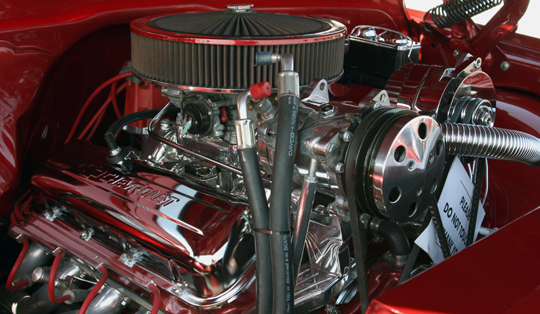
Jeepers creepers and car exhaust leakers! Happy Halloween from TalkLocal! What will you be for Halloween… other than conveniently served through our eerily efficient TalkLocal virtual concierge service, which can help you find the perfect party planner for your big monster bash?

Beware, if you’ve never used TalkLocal before, because it’s pretty spooky!

For example, say you need new windows. Your phone rings and you answer to hear that a mysterious voice is on the other line. “Do you like new windows now,” the voice asks. “Yes”, you answer, although it’s not exactly true.

The truth is, you love new windows now; and were just thinking about how badly you needed them when you got the call. Don’t be alarmed – this isn’t a strange coincidence implying possible telepathic or precognitive powers, it’s just the mysterious power of TalkLocal.

Because you went to TalkLocal and entered a few basic details, up to 3 service professionals are now calling to help, and it all happened in minutes. That’s pretty spooky, right? What matters, of course, is that the professional on the phone is available, affordable, friendly, and knowledgeable — although he can’t seem to explain why your current windows rattle at night, open on their own, and emit an ice cold fog that seemingly roams the house every Halloween.

Remember, this Halloween and every day: you can go to Talklocal to be connected with a party planner for your costume party, a landscaper for if your lawn gets tee-pee’d, and car repair if you snub an overgrown trick-or-treater who then fills your gas tank with sugar, or any common professional services you need on Halloween or any day of the year!

How to Spackle Sheetrock for a Smooth Finish

Wednesday, October 30th, 2013

How to Spackle Sheetrock for a Smooth Finish - Painters

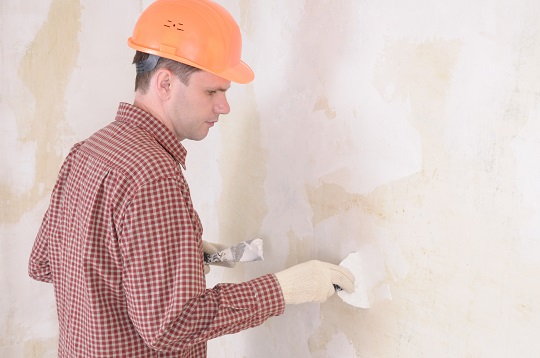
The smoothness of the finish on drywall depends on the technique used to spackle the sheetrock and smooth it out. Whether the wall is new or has undergone repairs, it’s always nice to give it a smooth finish. Here’s how to spackle sheetrock to get the desired smooth and even surface to make it ready for paint.

How to Spackle Sheetrock

1. Fill holes and cracks with a bit of spackling paste. Use the edge of a putty knife to apply the putty into the hole, smoothing it over. Put some extra putty over the hole, because it will shrink and recede when it dries.

2. Allow the spackling paste to dry completely. This may take at least 3-4 hours, but waiting for a whole day is ideal.

3. If the hole is large, you will need to repeat the steps to spackle sheetrock up to 3 times more before it can be sanded. If the seams of the hole are bulging, this a good sign that you need to reapply more putty.

4. When the drywall is ready for sanding, make sure to prepare the work area first and wear a protective mask before proceeding. There will be a lot of dust when you sand down spackle, so you want to cover the floor, furniture, and any objects that are in the area. Prevent dust from travelling by taping up any doorway leading to other rooms.

5. Sand down the spackle using a sanding block or sponge. Start sanding with the side of the sanding block that has medium grit until you have an even wall surface. Then use the other side of the sanding block with the fine grit to sand the spackled area until you’ve smoothed out the surface and it is completely flush with the wall.

Spackling Can Be Difficult…

With the spackle all evened out, you can proceed with priming and/or painting the wall. If you don’t have the time or the inclination to spackle sheetrock yourself, there are qualified professionals who can do it for you. Let Talklocal find the best contractors in your area. We’re experts at finding the experts!

Do You Tip Mechanics?

Wednesday, October 30th, 2013

Do You Tip Mechanics? - Auto Repair

We live in a culture where some professions consider tipping to be a standard requirement for services rendered. So how about when you take your car for service or repair? Do you tip mechanics?  There are no hard and fast rules to tipping an auto mechanic, but there are some things you should consider before forking out cash to your mechanic.

Do You Tip Mechanics?

On the plus side, mechanics do tend to help you determine a lot of things that you don’t know about your car, such as when to replace shocks.

A tip could get you preferential treatment if you frequent one particular auto repair shop. Naturally, this isn’t something that you should expect, but it is something that can potentially happen and make you glad you tipped.

Do you tip mechanics a large or small amount? If your mechanic has been working past his shift replacing your timing belt for hours and you hand over a $1 bill, don’t expect the mechanic to be too happy. On occasions like this, it’s better to hand over a $50 bill.

Never assume that whatever you are paying for your car is going directly to the one repairing it. Much of the money that you are forking over goes to the auto repair shop because they pay their mechanics an hourly or flat rate. Take that into consideration when you tip.

Ask before you tip. Sometimes, auto mechanics are not allowed to take tips, so ask the mechanic first if it’s okay to give a tip. An alternative may be to approach the manager of the auto repair shop and ask if the mechanics are allowed to take tips. This will save you the awkwardness of the mechanic having to refuse your money.

Need the Help of a Mechanic?

TalkLocal can help you find a trustworthy auto mechanic in your area within minutes of placing your call! Give us a call today and let us assist you in finding a mechanic near you!

Snow Tire Noise

Wednesday, October 30th, 2013

Snow Tire Noise - Snow Removal

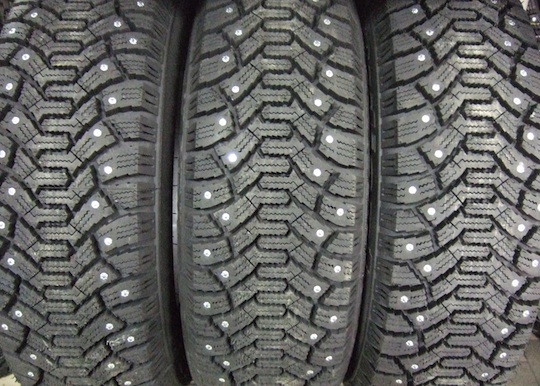
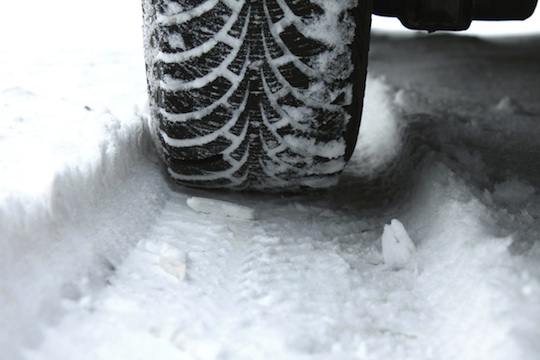
If you want to prevent traffic accidents during the winter months, buy and install four premium snow tires on your vehicle. Undoubtedly, winter tires have their long list of advantages, including a firmer grip in ice and snow, remarkable flexibility in cold environments, and increased performance, but should drivers be concerned about snow tire noise?

Could Snow Tire Noise Become a Thing of the Past?

For a long time, snow tires and winter tires were synonymous. The old snow tires manufactured many years ago displayed many wide grooves, numerous biting edges, and a satisfactory rubber flexibility. While they performed well on roads covered with snow and ice, they were less reliable on pavement, wore rapidly, and made a lot of noise.

After years of research, manufacturers managed to introduce a new generation of snow tires, now called winter tires, with an enhanced lifespan and better traction. These new tires run smoothly on pavement and are also less noisy.

How to Effectively Address the Snow Tire Noise 

Many drivers complain about very loud snow tire noise. If you are bothered by the same problem, start by checking the make and model of your tires. As a general rule, snow tires are always louder than the ones that you use during summer because of their tread pattern. If you want to buy a new set of winter tires and get rid of the noise problem once and for all, opt for products manufactured using the best materials and innovative technology.

You could go in favor of premium, studless snow tires, designed to enhance ice traction, considerably reduce noise, and help drivers make the most of a softer ride. Furthermore, you could also test the effectiveness of hi-tech studded tires launched by reputable companies like Gislaved and Continental, guaranteeing reduced noise levels and decreased road wear.

Ask an expert

Are you still looking for the best answer to your snow tire noise problem? If so, don’t hesitate to rely on the expert advice provided by a snow removal expert. Identify the best ones in your area by counting on TalkLocal, a free service introduced to put you in contact with hundreds of great professionals who live and operate in your area.

Fast Release Plant Food

Wednesday, October 30th, 2013

Fast Release Plant Food - Landscapers

If you want to take pride in a beautiful garden, you have to start by identifying and assimilating useful information on some of the most important products launched on the market to guarantee your success.

How do you feed your plants, and how often? By now you should know that there are two main categories of fertilizers: slow release fertilizers and fast release plant food.

What is the main difference between these two products, and which one would be better for your garden? Below you will find the best answer to these questions and more; don’t forget to contact a landscaper if you need more useful details to make a final decision.

What Is the Main Difference between Slow Release and Fast Release Fertilizers?

Both products have their fair share of pros and cons. Fast release fertilizers have an immediate action, feed the plant in an effective manner, and release the nutrients in the soil when the plant needs it the most. However, they require frequent applications, and this forces people to invest a significant amount of time in their gardening project. Moreover, an elevated amount of fast release fertilizers can severely damage your plant, burning its roots and compromising its development.

On the other hand, slow release fertilizers break down over a significant period of time, gradually releasing the right amount of nitrogen in the soil. Slow release agents require less frequent applications; thus, they are considered a convenient option by many gardeners.

What Are the Benefits of Fast Release Plant Food?

Fast release plant food can be mixed with water and used to feed the plant’s roots on a daily basis. These substances are very useful due to their immediate action. They enable the plant to absorb the right amount of nutrients exactly when it needs to be fed, unlike slow release fertilizers that release nutrients gradually over a long period of time, ranging from 3 to 12 months.

Count on Expert Advice to Make the Best Decision

Undoubtedly, both slow release and fast release fertilizers have their notable advantages and disadvantages. If you are overwhelmed by the plentitude of appealing options introduced on the market by giant brands, discuss your options with a skilled landscaper.

Choose the best one by relying on TalkLocal, a free service introduced to help you meet experienced professionals who offer affordable, high-quality services in your area.

Natural Gas Heater Replacement

Wednesday, October 30th, 2013

Natural Gas Heater Replacement - Heating and Cooling

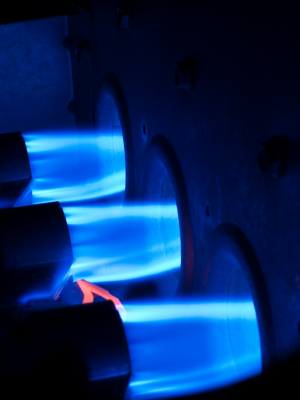
Has your natural gas heater reached the end of its natural gas life? Is it winging its way to gas heater heaven? If so, here’s a quick step by step guide to carrying out your own natural gas heater replacement.

Remove the Old Water Heater

1. The first step is to remove your old natural gas heater. With a fire extinguisher nearby, shut off the valve and make sure that no gas is leaking.

2. Then, smell the area for any gas leak. Never use a flame to test for gas leaks.

Drain the heater

3. Drain the heater so that it’s lighter and therefore easier to remove. While it’s draining, use a large pipe wrench to cut the connection between the gas line and the heater.

4. Once you have disconnected this, double-check to make sure that no gas is escaping.

Connect the new segments of the flex pipe

5. This is the first step in connecting the new heater. You need to roll Teflon tape around the cold “in” and hot “out” connectors in the flex pipe. By doing this, you will ensure a good seal when you connect the flex pipe later on. This is the same as when you are replacing an oil furnace, but with a few added steps.

Connect a new flexible gas line

6. You need to connect a new flexible gas line to the pilot box. To do this, you need to use Teflon dope over the fitting.

7. After you thread the line, tighten it using a wrench.

Connect the water supply

8. Connect the old pipe to the new valves of the pilot box using a wrench. Before you do this, you need to burnish off the old fittings with an emery cloth to expose fresh copper. Connect both the cold water supply and the hot water supply.

If You Think You Need Help…

Contact TalkLocal today and we can get a professional to help you within minutes! Just tell us where you are, what you need, and when you’re available, and we’ll send the right professionals to you.

Gas Mileage Using Snow Tires

Tuesday, October 29th, 2013

Gas Mileage Using Snow Tires - Snow Removal

All drivers have one thing in common: they want to apply a few simple, working tips, enabling them to improve fuel mileage. If you want to save a significant amount of money, start by opting for a set of fuel-efficient tires.

You might be wondering: is there a real connection between the tires on my vehicle and considerable fuel savings? Could I really obtain a decent gas mileage using snow tires? Keep reading to find out.

How the Cold Season Impacts Your Gas Mileage

Experienced drivers are fully aware of the fact that the cold season is burning deep holes in their pockets. During winter, many drivers are bothered by a less than satisfactory gas mileage compared to the values recorded during the warmer seasons.

Low temperatures are the main factor responsible for this decline, impacting battery performance and favoring low tire pressure. Reduced vehicle aerodynamics, bad road conditions, weaker gasoline, frequent traffic jams, excessive idling, and winter tires are all important elements in lowering your gas mileage during the cold season.

How Snow Tires Affect Your Gas Mileage

Despite the fact that they serve the same purpose, not all tires are the same. If you are trying to estimate the value of your gas mileage using snow tires, you should know that an excellent gas mileage depends on two factors: adequate air pressure and proper tire construction.

Lower rolling resistance leads to improved gas mileage, simply because the engine of your car puts in less effort. On the other hand, maximum traction winter tires reduce gas mileage and make you spend more money on fuel. To save more than a few dollars during winter, opt for low resistant, high-quality tires coming from a respectable manufacturer.

Ask an Expert

You might be wondering: what is the exact value of my gas mileage using snow tires? When in doubt, don’t hesitate to get the best answer to this question from a respectable professional. Find the best one in your area, by relying on TalkLocal, a free service implemented to connect you with qualified professionals living and working in your area.

Choosing Plumbing Heating Contractors

Tuesday, October 29th, 2013

Choosing Plumbing Heating Contractors - Plumbers

When you have any service performed in your home, the inevitable consequence is that you have to live with the result. That’s why, when you need to call in plumbing heating contractors, you should make sure you can live with the outcome of their work. Otherwise, you’ll end up wasting money and sacrificing your household’s comfort and safety because of shoddy workmanship.

Whether you’re making over your bathroom or need a simple repair, do yourself a favor by hiring qualified and trained plumbing heating contractors instead of any part-time handyman you can find in your neighborhood.

Here are some questions to ask when searching for a reliable service professional:

Is the contractor reputable?

One way to find out is to ask your local Better Business Bureau (BBB) if any complaints have been reported against the contractor. Also, check other resources such as consumer protection agencies and customer references. The latter are particularly great sources of helpful information about a contractor’s work quality.

Is the business stable?

Ask how long the business has been in operation. This will let you know the level of experience and expertise you’ll be dealing with.

Is the contractor properly licensed?

One of the most important things to check when choosing a plumbing professional is whether they have all the proper local licenses. Many states and cities require plumbing heating contractors to be licensed. If this is the case in your state, ask for the license number of the contractor.
 
Is the contractor adequately insured?

Verify the insurance credentials of the contractor. Ask to see proof of their workmen’s compensation and liability insurance. If they are not insured, you could be held liable for any accidents that happen to your property or to the technician during the performance of the job.

How much do they charge?

Aside from the qualities mentioned above, you also want to choose a contractor that charges a reasonable price. Request a quote to get an idea of their overall cost. However, try to put the quality of the contractor first before their fees.

Get Help Finding the Right Professional

TalkLocal can help you locate plumbing heating contractors within your area with all the proper qualifications. Send us your request and we’ll do the research work for you at no cost. Then, we’ll send three local professionals to you so you can make the final choice. Easy, quick, and free – try TalkLocal now!

Auto AC Heating Repair and Maintenance

Tuesday, October 29th, 2013

Auto AC Heating Repair and Maintenance - Auto Repair

When you’re out driving in the concrete jungle on a hot day, nothing beats the cool comfort of chilled air blasting from your car’s A/C system. But did you know that the cold air coming from the vent originates as hot air? A complex process is involved in removing the heat. This method of generating conditioned air for your car involves several components that must all be in good condition, especially if you want to avoid paying out for auto AC heating repair.

Auto AC components, such as seals and fittings do wear and can even become loose over time. This eventually leads to refrigerant leakage, which affects the comfort inside the car and may also cause damage to other auto-components such as the evaporator or compressor. You can save money and time on auto AC heating repair by detecting issues early on.

Regularly checking your car and scheduling it for maintenance is a great way to extend the life of your car’s engine and its components to avoid unnecessary auto AC heating repair. A proper cooling system inspection involves the following:

1.      Check if the water pump is in working condition.

2.      Inspect the radiator for leaks or corrosion.

3.      Ensure there is adequate coolant. Remember, NEVER remove or open the pressure cap while the engine is still hot.

4.      Check for any leaks in the hoses and connections. Tighten any loose clamps.

5.      Look at the condition of the radiator’s pressure cap. If the rubber gasket is already damaged, replace it.

6.      If the engine gets too cool, you probably have a faulty thermostat that may need replacing.

7.      Look at the condition of the hoses. Replace any hose with cracks or other signs of deterioration.

8.      Check heater hoses and make sure they are not leaking or cracked and that there’s no rotting rubber. Faulty clamps should be replaced.

9.      Inspect belts for any tension or wear. Usually they last up to seven years. Cracked or frayed belts need to be replaced.

If you notice your car’s air conditioning is not as effective as it used to be, that’s a straightforward sign that you should have it inspected. Your car may well be low on Freon, which is a good indicator that something’s wrong with the system. The problem may just be a small leak or you could need serious auto AC heating repair.

Have a professional auto repair technician take a look at it immediately. Use SevaCall to locate auto repair professionals you can trust.

Repair Contingency Clause

Tuesday, October 29th, 2013

Repair Contingency Clause - Real Estate

A repair contingency clause is a part of the agreement between the buyer and the seller of a real estate property. They agree that if repairs are found to be necessary in the home, the buyer can opt to pull out of the sale or can have the seller pay for the repair.

This is a very important clause, especially when shopping for a house that has not been used for a long time. The buyer may not be fully aware at the time of purchase of all the repairs necessary. A repair contingency clause will help to give the buyer peace of mind when purchasing the property.

A contingency is protection against something that is not certain to happen, but can have negative consequences if it does. That’s why this clause is important. When buying a new home, clauses are important to protect the buyer from unwanted expenses.

Importance of a Repair Contingency Clause

Unless you are building your own home or buying a brand new one, this clause is important to protect you from surprises. Repairs to homes that had previous occupants may be very expensive and the seller may not choose to reveal all the flaws of the property at the time of the sale.

This is especially true when buying a foreclosed home, where the previous occupants may not have had the means to make the repairs themselves.

A repair contingency clause will protect the buyer from repair costs that may add up to thousands of dollars. Thus, it’s essential to have this clause in the contract, since it will save you a lot of trouble when purchasing a new home.

Need Real Estate Advice?

TalkLocal can connect you to real estate professionals within minutes of placing your call! Contact us today and let us help you get the assistance that you deserve!