
Car Trailer Lights

Tuesday, September 17th, 2013

Car Trailer Lights - Towing

All trailers, regardless of their size and their type (horse trailers, camping trailers, boat trailers, and so on) should display a fully functional lighting system before being utilized on the open road in any part of the United States. All drivers should comply with strict trailer lighting regulations, established by DOT (the Department of Transportation of the United States) before hitting the road. Keep reading to discover everything there is to know about car trailer lights.

Types of lights and their specific requirements

All people who want to buy or rent a trailer should know that there are two main types of lights that should always function properly: side lights and rear lights. Every trailer should be equipped with 1 pair of red taillights and one pair of brake lights, while also displaying red or yellow turn signals and one license plate light.

All of these lighting features should be placed symmetrically at an average height ranging from 15 inches to 72 inches. The only exception to this rule is the license plate light, which is permanently attached directly above the trailer’s license plate.

Furthermore, side lights are very important, because they signal the driver’s presence on the open road and indicate the length of the trailer. They should be placed symmetrically on both sides of the trailer. Moreover, trailers with a length exceeding 30 feet should display yellow intermediate lights to warn other drivers that they are approaching a vehicle with an extended length.

All lamps should be in excellent condition and permanently mounted on the trailer that you plan to use to transport your objects from point A to point B.

Ask an expert

Are you dealing with a problem related to car trailer lights? In this case, you should know that trailer lighting is relatively difficult to install and repair.

This is precisely why you should opt for professional services, rather than investing in a DIY project that could provide less than satisfactory results. Use TalkLocal, a great free service, to be connected with the best towing experts in your area who can address all of your car towing needs and concerns in a timely manner.


How to Care for Cold Resistant Trees

Tuesday, September 17th, 2013

How to Care for Cold Resistant Trees - Landscapers

Cold Resistant Trees

Cold resistant trees are trees you can plant in your garden that you don’t have to fear will die when winter comes. Certain trees stay tropical even through the winter! These trees are sometimes called palm trees, and examples of these are the Needle Palm species. These trees can be grown successfully in Texas, California, and Florida. Palm trees sheltered by other trees or shrubs are more likely to survive better than palm trees that are fully exposed to the harsh weather.

The tree’s height, leaves, and its genetic characteristics will determine how it will survive. Here, we will give you some useful tips on how to plant and care for cold resistant trees for a beautiful garden.

Instructions on Taking Care of Cold Resistant Trees

1)     Plant the trees in soil that is well-drained and unaffected by snow or ice. A location that receives full sunlight or daylight should be chosen for these trees to thrive.

2)     It is a good idea to water the plants every seven days in the summer for up to 10 inches in the soil. In the winter, water only when the soil is dry.

3)     In the spring, fertilize the plants. If the leaves are yellowing, apply an iron-rich fertilizer.

4)     Apply mulch around the plant 3-4 inches in diameter. However, the mulch should not be placed directly against the base of the plant. The mulch helps the plant retain the water in the soil during the winter. Remember to replace the mulch once or twice per year.

Need Gardening Help for Cold Resistant Trees?

Contact TalkLocal today to find gardeners near your area! We will connect you with up to three, high-quality professionals in your area, who will know exactly beautify your garden for you!

Tips for Buying a New Home: Choosing Your Property

Tuesday, September 17th, 2013

Tips for Buying a New Home - Real Estate

Location

When looking for tips for buying a new home, the question of location is one of the most important. You have to ask yourself where you want to live, obviously. However, this question is not as easy to answer as it may seem.

> Is the place accessible to public transportation?

> Is it accessible to freeways?

> Is it near schools? Hospitals? Malls? Parks? Do you like going to the beach, for example?

> How do you like to spend your weekends? Do you like taking leisurely walks in the parks or having picnics? Then, obviously, having a home that is accessible to places like these should be your top priority.

> What kind of neighborhood would you like to live in? Would you like a laid-back one or a fast-paced neighborhood?

Size

Again, this may seem obvious to some people, but it’s something that you should really explore.

> For example, do you own pets?

> Do you need a spacious yard for large dogs or for a big hobby?

> How many kids do you have, or how many rooms do you require?

> Do you plan on having a lot of guests over or hosting a lot of parties?

If you answer yes to any of these questions, then you need a spacious house.

Pricing

Now you have to take a good, hard look at your finances. You need to know just how much you are willing to spend on a new home. Are you willing to build a new home or are you willing to buy a built one? Buying a home that is already built can save you thousands of dollars, but you may not always get the exact specifications you want.

Need Help?

Keep these  factors in mind when shopping for your dream house. Contact TalkLocal today and let us help you find a real estate agent in your area, who can help you find your dream home!

Why Isn’t My Monitor Turning On?

Tuesday, September 17th, 2013

Why Isn't My Monitor Turning On? - Computer Repair

Why Isn’t My Monitor Turning On?

If your monitor is not turning on, there are few different things that you can do to test to see what the problem with your monitor is.

Diagnose your monitor issues

1. Make sure that your monitor is actually on. Check if your monitor has multiple power switches or buttons, and ensure that all switches and buttons are turned on.

2. If you are confident that your monitor is turned on, check that it is plugged in. Follow all cable lines and check that they are all plugged into an outlet on one end and your monitor on the other.

3. If your monitor is definitely plugged in and turned on, check the brightness. Turn the brightness up all the way; it’s possible that your monitor only appears to not be turning on because the brightness was turned down completely, making your screen appear black.

4. If your monitor is plugged in , turned on, and has it’s brightness all the way up, but you are still not seeing anything, you most likely have a problem.

Is the problem with your monitor, your computer, the cable connecting them, or the outlet?

1. First check your outlet by plugging something else into the outlet, where you can immediately see if it is working, such as a light bulb. If nothing is working in the outlet than the problem is with your outlet. You should contact an electrician to fix your outlet.

2. If other things are working in the outlet, then try plugging another monitor into your computer or plugging the monitor into a different computer. If another monitor is also not working with your computer or your monitor is working in another computer, then the problem is likely with your computer. You can contact a computer repair professional to help find out why your computer is no accepting monitors.

3. If the monitor is not working in a different computer and/or another monitor is working in your computer, then the problem is likely with either your monitor or the cable. Test both the monitor with a different cable and the cable with a different monitor to see which is the problem. You will have to replace the one that is causing the issue.

Still Need Help?

With the help of TalkLocal, you can receive up to three phone calls in minutes from high quality local computer repair professionals, who are available when you are.

Remodeling to Add Space: HVAC

Tuesday, September 17th, 2013

Remodeling to Add Space: HVAC - Heating and Cooling

Heating, Ventilation, and Air Conditioning

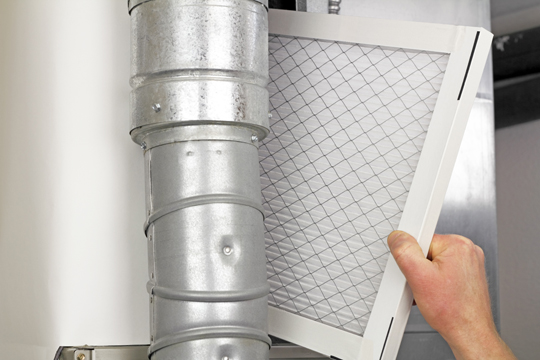
HVAC systems are used by people to add comfort to vehicles and homes. They manipulate the temperature of the environment to their liking, either by decreasing or increasing the temperature to make the users more comfortable. Remodeling to add space and adding HVAC units has many considerations involved. In this article, we tackle the many factors you need to consider in order for you to determine how to provide the best HVAC system for your home.

Extend Your Home’s Existing System

You can extend your current HVAC system if it isn’t over ten years old. Just keep in mind that you will have to extend your duct system as well. You will need to ensure that your HVAC system is powerful enough to cover the new area of your home.

Replace Your Home’s Existing System

While this is more costly, this may be a good opportunity for you to replace your current HVAC system with a more cost-effective one. In the long run, this may prove to be more economical for you. You will need to change your duct system as well. You can change your HVAC system to packaged systems, which may be more cost-effective.

Use an Independent System

Another option is for you to install an independent HVAC system for your new addition. This is less costly than a complete overhaul, and it allows you more flexibility in that you can install a mini-duct system in your new addition. Additionally, if you decide to add more rooms, you can add more independent systems that are more suited to the needs of those rooms as well. For example, not all rooms may need the same HVAC systems as all of the other rooms.

If You Need Help…

TalkLocal can help you find a professional near you that will assist you in installing an HVAC system for a new addition in your home.

A Little Silicon Valley in Wichita, Kansas

Tuesday, September 17th, 2013

A Little Silicon Valley in Wichita, Kansas - Seva Call

Post World War II, Wichita, Kansas became a booming little city and has been growing ever since. Wichita State University was the first university to set up programs to explore and study entrepreneurship.

That must be why Seva Man has been so excited for our launch in Wichita! That’s right, DC-based startup Seva Call is launching in Wichita, and we are proud to join the number of other businesses that have gotten their start in this Little Silicon Valley. See how we’re here to help Wichita with this quick video.

Seva Call is ready to help Wichita natives find local service professionals whenever a job gets too large for the DIYers. All you have to do is go over to www.talklocal.com, give us a few details about the job, and we’ll take it from there. Our unique system allows us to track down the best and most reliable service professionals in the area.

Then, we will put you directly on the phone with them, always ensuring they can do the job when you’re available. You can speak with up to 3 service professionals so that you can pick and choose the best match for you. We will always keep your contact information private to protect you from telemarketers and spam.

So Wichita, you really have nothing to lose. Take an entrepreneurial risk and invest in Seva Call!

Why Use a Catering Service?

Monday, September 16th, 2013

Why Use a Catering Service? - Party Planners

Advantages

You may be asking yourself, “why use a catering service?” Well, there are many advantages to using a catering service. First and foremost, planning a corporate event or party means that there is almost always food involved. Whether you are planning for 50 or 100 people, cooking for that many people involves having a huge kitchen, something you, in all likelihood, won’t have.

Secondly, you probably won’t have the serving capabilities that you need. These serving capabilities include the serving dishes that the food will come in, the plates, the utensils,  and the napkins. Third is the tables and chairs that you need to accommodate a large event. Lastly, you need waiters and waitresses to serve the food for you. By this time, it is pretty obvious that you need catering services for your party.

Benefits

The answer to – and benefits of – why use a catering service are pretty straightforward. You get to relax while waiters and waitresses serve your guests the food and drinks they need. You don’t need to worry about your food staying warm at the buffet table, if you opt for a buffet style. If you opt for a sit-down dinner, you don’t need to worry about your food being served. All in all, you can relax at your party without worrying about your food.

Additionally, you can be sure that you won’t run out of food and that your food will taste great, because you have sampled the menu beforehand. You can also be sure that you won’t run out of drinks if you have opted for a mobile bar, so you can be sure that your guests will enjoy themselves thoroughly. There are numerous benefits to catering services, and these are just a few of them. You can even have vegetarian dishes for discerning guests!

Need to Find a Caterer?

Here at TalkLocal, we are dedicated to helping you find a caterer that will suit your needs. Give us a call today!

Build a Stone Path

Monday, September 16th, 2013

Build a Stone Path - Landscapers

Millions of homeowners choose to design and build a stone path to add value to their property and increase the curb appeal of their homes. This can represent a very simple, cost-effective, fun DIY project that can be started and finalized by most people, as it does not require extraordinary skills, special tools, or expensive materials. After all, you just have to place a few rocks on a sand bed.

How to create a beautiful stone path in a few simple steps

Remember to wear leather or thick rubber gloves at all times to protect your hands. Start by designing the path and carefully delineating the edges of the surface that you plan to cover with sand and rocks by using spray-based marking paint. Don’t worry about cutting and fitting, as these tasks won’t give you a hard time. If you’re good at assembling Jigsaw Puzzles, this project will seem like child’s play to you. However, you will have to rely on solid tools (a wheelbarrow and a shovel, to begin with) to remove the grass layers and place the rocks on the sand bed. When it comes to aligning the rocks, it is advisable to count on a high-quality deadbolt hammer or a highly resistant rubber mallet.

Don’t waste any time trying to obtain a really tight fit. Experts agree on the fact that tiny, irregular spaces make your stone path truly unique, natural looking, and more appealing than a 100% symmetrical one. Modify the height of your rocks by simply adding or removing sand from beneath the rocks that aren’t properly positioned. Fill all joints with soil and add ideal groundcover to finalize your project. After you finally install the rocks, make sure to wipe off all soil fragments by using a garage broom.

Find the best supplies

Contact a landscaper or make the most of your remarkable design skills to build a stone path matching your taste, budget, and personal preferences. These days, you have the chance to check out a generous selection of rocks, available in different shapes, densities, colors, and sizes for all types of custom landscaping projects.

Hire an expert

Want to build a stone path? You have two options at hand: You could complete a DIY project to experience significant savings and enjoy the fruits of your own labor, or you could save time and take pride in flawless results by hiring a landscaper. Choose the most inventive, original, dependable one by simply consulting TalkLocal. We’ll connect you to the right professionals directly, in just minutes.

Power Steering Hose Repair

Monday, September 16th, 2013

Power Steering Hose Repair - Auto Repair

If you’re having trouble with the power steering hose of your car, you need to determine first what’s wrong. For instance, it might be leaking. If this is the case, you must find the source of the leak. Once you did that, cut the leaking part of the hose, install hose clamps, and tighten them. After that you can put the power steering hose back. That was the fast-forward version of a possible power steering hose repair. Now, let’s go through the steps you need to take, one at a time.

What Does the Power Steering Hose Do?

The power steering hose connects the power steering pump and the power steering rack by carrying the power steering fluid. If you detect a burning oil smell and experience difficulties in steering your car, you’re probably dealing with a power hose leak.

What Does a Power Steering Hose Repair Involve?

1. If you suspect something is wrong with your power steering hose, pull over right away, because the leaking fluid can cause a fire.

2. Check under the hood of the car with the engine running. Use the emergency brake to make sure you’re safe.

3. Identify the location of the leak in the hose. This shouldn’t be hard, because you’ll see the fluid precipitating.

4. Now that you’re sure there’s a leak in the hose, shut off the car engine and get down to repairing it yourself if you’re not close to a car repair shop to have it replaced.

5. To initiate your power steering hose repair, you need to cut the leaking part of the hose.

6. Then place two clamps on both sides of the power steering hose and pull them together.

7. Connect the two parts of the hose with the help of the clamp knobs. Make sure the clamps are tightly connected, but don’t overdo it because you might deteriorate the hose.

8. Once you have connected the hose, put it back in. Check the fluid. You might need to refill it if it leaked for a longer time.

9. After replacing the power steering fluid, start the engine of the car and check how solid your power steering hose repair is.

10. Remember that this is a temporary fix. Replace the power steering hose as soon as possible.

Need Help?

If you’re looking for a reliable mechanic to fix your power steering hose or you need other car repairs, TalkLocal can assist you by connecting you with local professionals for free.

How to Use Wall Anchors

Monday, September 16th, 2013

How to Use Wall Anchors - Handyman

With so many helpful tutorials available online and so many tool kits that could be easily found in any hardware store, more and more homeowners feel encouraged to start numerous DIY home improvement projects. At some point in time, some of them might want to install a new shelf on their wall, using resistant wall anchors. These tiny products come in various types and sizes; therefore identifying and purchasing the best ones can be quite challenging. Keep reading to find out how to use wall anchors on your own, without any help from the handyman whom you usually call to solve your daily problems.

Finding and buying the ideal fasteners for your DIY project

First of all, make sure to purchase wall anchors that are resistant enough to support the weight of the object you plan to fasten on the wall. Also, go in favor of premium fasteners that are suitable for your particular wall construction. In other words, despite the fact that they serve the same purpose, wall anchors can be divided in 3 main categories: lightweight objects, products designed to support a medium or a heavy weight, and fasteners for solid walls.

If you only need a wall anchor to secure your favorite picture on the wall, in this case the best alternative at hand would be a picture hook displaying a long nail that can be easily pushed inside the wall by striking it a few times with a hammer. Heavyweight picture hooks can be similarly installed; the main difference is that they can be used to fasten heavier objects, up to 75 pounds.

Furthermore, one can also choose to install self-tapping screw anchors by using a screwdriver, but sometimes these items require huge holes in the walls. Last, but definitely not least, one should also analyze the pros and cons of inexpensive, resistant nylon toggle anchors before making a final decision. Nylon toggle wall anchors can be installed with a hammer and a screw, even by inexperienced homeowners. These can support a weight ranging from 50 pounds to 75 pounds, and are durable and cost-effective.

Ask an expert

So now you know how to use wall anchors. Usually, all types of fasteners come with a set of instructions that makes the installation fast and hassle-free. However, if you lack the tools, the time, or the patience to complete this household improvement project on your own, it is recommended to opt for first-class services ensured by professional handymen operating in your area. Find the best ones today by consulting TalkLocal, a free service allowing you to get in touch with real specialists providing the best answers to your daily questions and challenges.