Archive for the ‘services’ Category


Aluminum Gutter Guard

Tuesday, February 18th, 2014

Aluminum Gutter Guard - Roofers

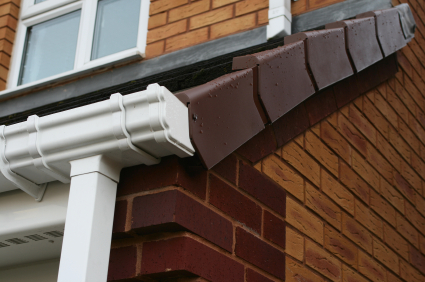
If you want to prevent your gutter from getting clogged every season and want to invest less time and effort in maintenance work, it is highly recommended to purchase and install the very best gutter guards that you can find on the market. Could an aluminum gutter guard be considered an excellent choice? Let’s find out.

Discover a Plenitude of Appealing Options

Gutter guards protect your gutter system even in the event of a heavy rainfall and prevent buildups. The best types obviously trap the debris and the dead leaves and stop them from going down the gutter. These guards display different design particularities and are manufactured from a wide range of materials, including foam, PVC, plastic, polyethylene, and aluminum. Every option has its fair share of pros and cons.

For instance, plastic and PVC have the shortest life service and thus need to be replaced frequently, simply because they get damaged by the powerful UV rays.

On the other hand, non-ferrous aluminum gutter guards are a much better alternative at hand, since they do not rust and remain in excellent condition for the longest period of time. They look and function flawlessly and represent an excellent investment.

Finding the Right Type of Aluminum Gutter Guards

According to most experts, aluminum gutter guards ensure a superior gutter protection and make you climb less often on your roof. Moreover, they have an aesthetically pleasing design, and the best models display small apertures created to prevent clogs.

Check out different offers from different first-class manufacturers, compare prices, consult online reviews, and make an informed purchase. Aluminum gutter guards will never disappoint you, as long as you don’t forget to inspect them at least every 18 months, or after 2 (or more) consecutive days of heavy rainfall.

Ask an Expert

Don’t know which type of aluminum gutter guard would be more suitable for your property? In this case, just talk to a local roofer and get the best answer to your questions. Find a reliable one with Seva Call, your best connection to the professionals in your area.

Replacing Laptop Hard Drive

Tuesday, February 18th, 2014

Replacing Laptop Hard Drive - Computer Repair

If your laptop computer is a late model that doesn’t have enough space, or fails to meet your performance needs, replacing laptop hard drive is one way to get a new and improved level of performance out of your system. By upgrading to the new storage technology available in the market today, your space and performance issues can be easily resolved.

Perhaps you already know that it is possible to upgrade your laptop’s storage, but you might not be aware that this is something you can do yourself. Replacing a laptop hard drive seems complicated, but it is actually simpler than what most people think. In a nutshell, all you really need to do is:

– Purchase the right replacement hard drive

– Copy your data from the old drive to the new drive

– Detach the current drive and replace it with the new one

Things to Remember

When buying the replacement drive, make sure it will fit your laptop by verifying the physical size of your existing hard drive. To perform the data copy or duplication, you will need a cable to connect your laptop to the new drive. You will also need to download free software to automate the data copy process.

Before starting the data backup though, make sure to clean up your old drive so you don’t waste time or space copying useless files to the new drive. Don’t throw away the old hard drive. You can always use it as an external drive.

Removing and Installing a Hard Drive

1. First, unplug your laptop computer and remove its battery.

2. Turn it upside down and locate a removable panel.

3. You will usually find the hard drive on a laptop either at the side or bottom of the chassis. Flick the unlock button to release the hard drive and/or remove the screws that secure it in place.

You may need to remove the drive from a container or a mounting rail attached to its side. In this case, place the new drive in the container or slide it in the rails right away so you don’t lose any screws. In the same way, any connectors attached to the old drive should be re-attached to the new one.

4. Then go ahead with replacing the laptop hard drive and installing the new one in reverse of the steps described above. Never force any parts in. Everything should fit in smoothly.

5. Once you have installed the drive, secure it in place with the screws, and lock it into position. When you power on your laptop, the system BIOS should be able to recognize the new hard drive automatically.

Would You Rather Hire a Pro?

Seva Call can connect you with up to three reputable computer repair professionals in your area. Use our free service now to find the right technician, so your laptop will be running great in no time!

Pros and Cons of Teak Tiles Shower Floors

Tuesday, February 18th, 2014

Pros and Cons of Teak Tile Shower Floors - Handyman

People who want to boost the appeal of their bathroom and improve their levels of comfort at the same time often choose to purchase and install premium flooring materials. Teak shower tiles are highly durable, water-resistant, and aesthetically pleasing. Are teak tiles shower floor an alternative worth considering? Keep reading to find out.

Why Teak Tiles for Shower Flooring May Be Suitable for Your Bathroom

Numerous people are tempted by the idea of investing in a first-class, wooden shower floor, simply because it addresses their specific aesthetic requirements, matches the main interior design idea, and goes very well with the wood bathroom cabinets.

Teak tiles shower flooring is very practical for a number of reasons:

1)      They are water-resistant and preserve their beauty in moist environments.

2)      They are incredibly durable.

3)      Due to their natural oils, they deter wood-eating pests.

Discover the Main Disadvantages of Teak Tiles for Shower Flooring

On the other hand, tiles made of teak that are designed to go in your bathroom also have more than a few disadvantages that you should always factor in.

1)      The natural oils contained by teak tiles ensure effective moisture protection and prevent mold contamination. However, this doesn’t mean that the teak surface is not impacted by colored chemical compounds (such as hair dye, bath salts, or shower gel) that stain your teak tiles shower.

2)      If you don’t have time to look after your shower flooring material, then teak tiles might not be the best option for you. To keep the grain looking smooth, you have to scrub the surface with soapy water and a quality bristle brush. The cleaning routine itself could lead to the formation of stains that have to be eliminated with bleach.

3)      While you take a shower, you use abrasive components (like bath salts, for instance) that could easily scratch the teak surface and compromise its appeal.

4)      Yes, teak responds well to moisture. However, in moist environments it tends to age faster and change its color to a shade of silvery grey sooner than expected.

Ask an Expert

Can’t decide whether or not teak tiles shower would be a great alternative for you? Simplify the decision-making process by consulting a handyman. Find the best ones in your area with Seva Call, a free service designed to connect you with the best professionals in your area.

Vegetable Garden Tips

Tuesday, February 18th, 2014

Vegetable Garden Tips - Landscapers

Creating and maintaining a vegetable garden is a unique, fulfilling experience. At the same time, it triggers numerous responsibilities and requires a lot of planning. You could choose to tend to your garden on your own, or to rely on expert advice and professional services provided by a competent landscaper. Either way, here are a few vegetable garden tips that you should know and apply, to obtain remarkable results in the long run.

1)   Location Is Very Important

Make sure your garden is located in a sunny area, taking into account the fact that most veggies require up to 8 hours of direct sunlight on a daily basis. It is also a good idea to plant your veggie garden right next to your kitchen. This way, you would be able to “spy” on your plants and pick the veggies that you need in no time.

2)   Research is the Key to Success

If this is your first veggie garden, don’t hesitate to consult various sources of information providing all of the details that you may need on seed sowing times. The seed calendar will let you know exactly when would be the best time to cultivate your favorite vegetables.

3)   A Vertical Garden Can Help You Save a Lot of Space

If you don’t have lots of space to create the garden of your dreams, don’t be afraid to improvise. For instance, you could choose to add height to your outdoor space by cultivating plants that can grow on an arbor or on a trellis, like for instance beans, melons, peas, cucumbers, or squash.

4)   Involve a Landscaper

Looking for the best vegetable garden tips? If you can’t find the best design ideas on your own, or need a little bit of help when it comes to identifying the right plants for your veggie garden, don’t hesitate to consult a landscaper. Spot the best one in no time, by utilizing Seva Call. We will connect you with the best professional sin your area in just minutes.

Using a Hot Water Extractor

Monday, February 17th, 2014

Using a Hot Water Extractor - Carpet Cleaners

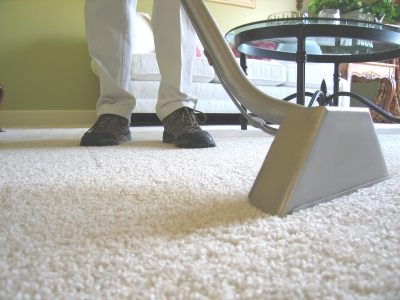
A hot water extractor, also known as a carpet extractor, is carpet cleaning equipment powered by electricity that utilizes hot water and detergent, along with a mechanical scrub brush and powerful suction, to remove deeply-seated dirt and particles from wall-to-wall carpets. While the configuration of a hot water extractor will depend on the brand, the basic steps to use it are the same as with all other units designed for home use.

How to Use Hot Water Extractors

1. Move out all furniture from the area you’re cleaning.

2. Before you use the hot water extractor, vacuum your carpet thoroughly.

3. Remove the upper tank of the extractor to access the lower tank, which holds the cleaning solution. Into the lower tank, pour carpet cleaning solution (8 ounces, or use the quantity recommended by the solution maker). Some extractors have a separate container to dispense the cleaning solution. Pour a bucket of hot tap water into this tank until it’s full. Put the upper tank and lid back into place.

4. Check that the extractor’s floor nozzle and brush are at the correct height for your type of carpet.

5. Plug the hot water extractor into the appropriate electric outlet.

6. Start in one corner. Switch on the solution pump and then the vacuum motor. Press the correct button or lever on the extractor’s handle to apply the cleaning solution to your carpet. Turn on the scrub brush.

7. Walking backwards, pull the extractor along with you by its handle to go over the carpet to be cleaned. Apply some more cleaning solution if you have to. To move the extractor forward, rock it back on the wheels to tilt the floor nozzle up. Make each pass overlap.

8. Make sure there is no excessive foam building up in the upper tank, which can damage the motor. If there’s too much foam, add a solution to the tank of 1-ounce de-foaming agent for every 2 gallon-tank.

9. When the recovery tank is already full or you’ve run out of cleaning solution, switch off the scrub brush, solution pump, and motor. Empty the recovery tank and rinse it clean or refill the hot cleaning solution. Restart the hot water extractor to continue the job.

10. When you’re finished, open the doors and windows to ventilate the room. Let the carpet dry thoroughly before moving the furniture back or allowing anyone to walk on the carpeting. Complete drying generally takes up to 24 hours.

Looking for a Carpet Cleaning Expert?

Cleaning the carpets at your home can be a tedious task. Use your time and energy on more important things, and experience the benefits of high-quality carpet cleaning services. Use TalkLocal to locate the most reputable carpet cleaners in your area, quickly and with the least effort.

Frozen Pipes Prevention

Monday, February 17th, 2014

Frozen Pipes Prevention - Plumbers

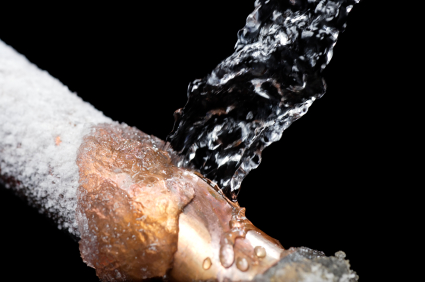
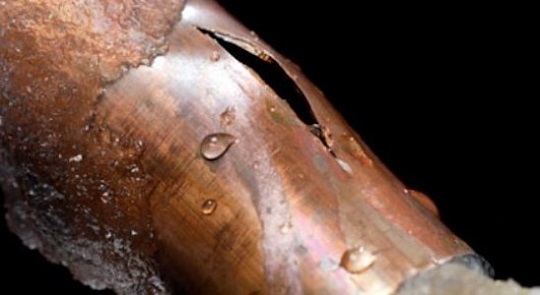
Frozen pipes are a common problem during the cold season, so you want to be prepared in case this happens to you. The best approach to this issue is, of course, prevention. Here’s what you need to know about frozen pipes prevention and what to do in case your water pipes freeze.

Outdoor pipes, which are not insulated, and therefore exposed to cold weather, are likely to freeze. Also, pipes that are located in unheated spaces, such as the basement, crawl space, or garage, are prone to freezing. To prevent freezing, it’s important to act before winter settles in, or if you haven’t done it in due time, apply the necessary measures immediately to minimize risks.

Prevention Measures

1. Check outdoor water supply pipes. All pipes that are located in unheated spaces, including the garage, basement, or attic need to be properly insulated. You can use heat tape or other typical products that are specially designed to insulate exposed water pipes.

2. If you have a swimming pool, make sure you drain the water, as prompted by manufacturer’s instructions.

3. Drain the supply line of your water sprinkler, if you have one.

4. Drain and store outdoor hoses.

5. Insulate the water pipes in your garage, if there are any located in there, and avoid leaving the door open more than necessary.

6. Maintain a relatively constant temperature throughout the day; otherwise, pipes may freeze because of temperature variations.

7. Use the faucets that are connected to outdoor pipes. Water flowing through the pipe prevents freezing.

8. If you leave your house for several days during winter, don’t turn off the thermostat or you risk your pipes freezing.

How to Thaw a Frozen Pipe

If the water pressure drops suddenly, you might have a frozen pipe. Open the faucet and start thawing the frozen pipe. Use a hair dryer or a space heater to heat the frozen pipe. When the ice begins to melt, the water will start flowing, speeding the melting process.

In case you cannot locate the frozen pipe or if don’t have access to it, it’s advisable to call a plumber. Seva Call can connect you with reliable professionals in your local area in minutes.

Installing Asphalt Shingles

Monday, February 17th, 2014

Installing Asphalt Shingles - Roofers

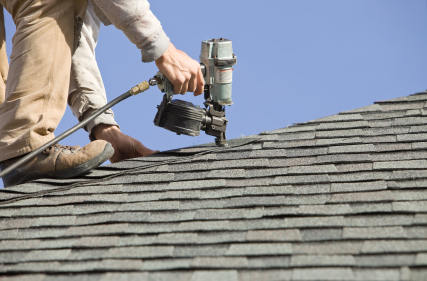
Asphalt roofing shingles are very durable, and with proper installation, will keep your home protected from water leaks. Installing asphalt shingles may seem to be a difficult task. It does require several steps, but anyone who can follow directions well will be able to complete this job. Here’s how to install asphalt shingles.

Gather Materials

1. Get all materials and tools ready and put them in a utility box so it will be easy to bring them with you when you climb up the roof. Obviously, you will need asphalt shingles, a hammer, and galvanized roofing nails.

Aside from these, you will also need the following: drip edge and underlay (waterproof and self-adhesive), felt roofing underlay (#15), stapler, staples, chalk line, and self-sealing adhesive strip. Also, put on protective gear such as gloves and safety goggles.

Installing Waterproof Protection

2. Install the drip edges along the eaves.

3. Place the waterproof, self-adhesive underlay down over the entire roof to create a barrier that will ensure water will not leak into the home.

4. Next, lay down the felt underlay. There should be a 3-inch overlap between sections so the roof stays completely covered even when some materials become displaced. Install one underlay on top of each other, making sure to put the higher layer on top.

5. At the sides of the roof, put in the rake drip edges. Fasten the felt underlay under the drip edges by stapling it.

Installing Asphalt Shingles

6. Take the chalk line and, from the roof’s top center, snap it towards the edge to create a guide for installing the shingles properly.

7. Use self-sealing adhesive to install the shingles’ starter strip along the edge of the roof. Allow 3/8 of an inch of this strip to extend over the eave so the water will drip instead of seeping in.

8. Nail down the shingles on the first course, using about 4-6 nails for each shingle depending on how windy your area is.

9. Once you’ve laid down the course, make horizontal chalk lines to align the shingles as you install them across your roof and down to the eaves. Let the bottom edges overlay the shingles below it by 5 inches.

Final Steps

10. Don’t forget to clean the area you worked on. Make sure to remove any loose objects to prevent accidents.

Need Roof Installation Help?

Don’t know which roofing company to hire? TalkLocal can help. Contact us with your service request, and we will connect you with local, qualified roofers within a few minutes at no cost to you!

Get Rid of Pests Naturally with Green Pest Control

Monday, February 17th, 2014

Get Rid of Pests Naturally with Green Pest Control - Pest Control

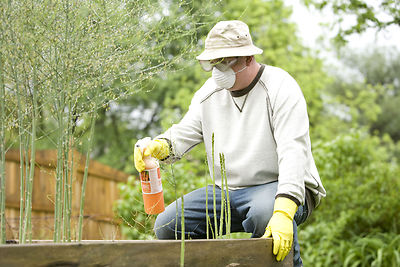
As more and more people become more concerned about the environment, the demand for environmentally friendly products is growing. In the area of pest control, technologies and products have been developed to get rid of pests effectively without damaging the environment.

Traditional methods to control pests use toxic chemicals that are harmful to the environment and even to human health. With green pest control methods, pests are eliminated with the least possible environmental and health impacts.

Here are some of natural tips and methods that work just as effectively in controlling pests just as traditional methods, but without the harmful effects.

Keep Your Home Clean

A dirty kitchen, piling garbage, and improper food storage will create the perfect environment that attracts most pests from ants to flies, mice, and other insects. Therefore, keeping your kitchen and your entire home clean is one of the best, natural ways to deter pests from entering your home. Also, make sure to take out your garbage regularly and store food properly in well-sealed containers.

Skip the Chemicals

One simple device for green pest control is a regular fly swatter, which can eliminate all sorts of small flying insects and bugs. Vacuuming is another chemical-free method to get rid of pests that can be found in carpeting and upholstery. You can also install traps to catch insects and rodents without releasing household chemicals into your indoor environment.

Choose Non-Toxic Products

If the basic strategies above are not enough to eliminate insects from your home, use non-toxic insect control products. For example, castile liquid soap is a great ant exterminator and deterrent. Just mix about two teaspoons of the soap into one gallon of water and spray this solution to ant-infested areas.

To keep flies away, put some eucalyptus essential oil onto a small piece of rag or cloth and leave out in any area that often gets flies.

Borax is another safe product to use as green pest control. Simply mix with some sugar, and you can use it to wipe out many types of insects.

Using Pesticides

If you absolutely must use a commercial pesticide, go for green pest control products that have no strong chemicals and use natural active ingredients. Look for plant-based pesticides that are relatively safer. Avoid any product that contains chlorpyrifos, malathion, or diazinon.

Let a Pro Handle It

When the pest infestation in your home has gone out of control, you can rely on professional pest control companies to take care of the problem. Many contractors now offer green pest control services. Locate these contractors with the help of Seva Call, your fast link to local service professionals.

Martinizing Dry Cleaners

Monday, February 17th, 2014

Martinizing Dry Cleaners - Tailors

Since 1949, Martinizing Dry Cleaners has been in the dry cleaning industry and is in fact one of the most well-known brands in the business. It operates the largest network of dry cleaning franchises in the United States with overseas locations in seven countries. The founder of the company, Henry Martin, was a New York chemist who is credited for developing a non-flammable chemical that ushered in on-premise dry cleaning, which quickly replaced the standard way of using industrial dry cleaning equipment.

A Range of Quality Services

Known for high quality dry cleaning services, Martinizing Dry Cleaners employs a very thorough process. Its staff is trained to inspect every garment, checking each item several times and looking for any issues such as stubborn stains or any missing buttons, which they would replace for free.

As a full-service dry cleaner, Martinizing Dry Cleaners also offers a variety of other services including general laundry services, stain removals, bedspread, or comforter cleaning and pressing. They also accept household item cleaning such as drapes and tablecloths. Round-the-clock item drop-offs, home pick-up, and delivery services of laundered items are also available. Martinizing can clean all fabrics, including suede and leather.

A Green Company

Martinizing Dry Cleaners is an advocate of eco-friendly ways of doing business. They are not only meticulous with caring for fabrics; they also make sure that the cleaning products they use will not harm the environment. Martinizing uses cleaning agents that effectively eliminate dirt and grease from fabrics but do not contain petrochemicals or any toxin that can contaminate the water, air, or soil.

Looking for a Professional Tailor?

When you need professional dry cleaning or alteration, you want to make sure to choose a reputable service provider. Dry cleaning or alterations are both specialized jobs, so to ensure you work with a real professional, let Seva Call help you find the right local person for your job. Contact us now!

How to Tell When to Repair or Replace a Water Line

Friday, February 14th, 2014

How to Tell When to Repair or Replace a Water Line - Plumbers

Your home’s water line serves to give your household fresh water for drinking and all other important daily living tasks. Therefore, when there’s a problem with your water line, it’s something that must be addressed right away. Plumbing specialists are trained to quickly repair, replace water lines, or simply inspect the system for any signs of trouble without compromising the quality of their service.

As a homeowner, you can do your part in routinely checking for any sign of a problem in your system and then calling in a professional when you suspect or determine an issue. Here are the some of the telltale signs that you may need to repair or replace your water line:

1. Drop in water pressure

You will most likely notice this right away when the pressure in your water suddenly drops or, worse, you’ve completely lost your water supply. If the water line is leaking significantly, water pressure will naturally drop until the flow of water reduces to a trickle or slow drip. When this happens, it will take longer for toilets to refill and sinks will have very little flow of water. You can also expect that taking a shower can be quite frustrating in this situation.

2. Increase in water bill

Despite your household actually using less water than before, you will notice your monthly water bill is going up. Until you find and fix the leak, water will keep on flowing out of the pipe but not into your home, which is a waste of money and resources, because you still have to pay the utility company.

3. Changes in your yard

With the water line leaking from below the ground, you may notice some unusual conditions in your yard. For instance, water may collect in one specific area even when there’s no evident water source like rain or sprinklers in use. In addition, the shrubs and grass directly within this watered area may be healthier or not than normal. You might also notice the earth itself may have risen up a little as it gets soaked with water from below and expands.

Hire a Qualified Plumber

Knowing how to tell whether you need a professional to repair or replace a water line in your home is the first step to dealing with the problem. After this, the best thing to do is to hire a qualified local plumber who has the experience and knowledge in handling water main leaks or breaks. Seva Call is your quick connection to service professionals in your area. Contact us now and use our free service!