Choosing the Best High Performance Winter Tires

Monday, October 21st, 2013

Choosing the Best High Performance Winter Tires - Snow Removal

Winter Tires

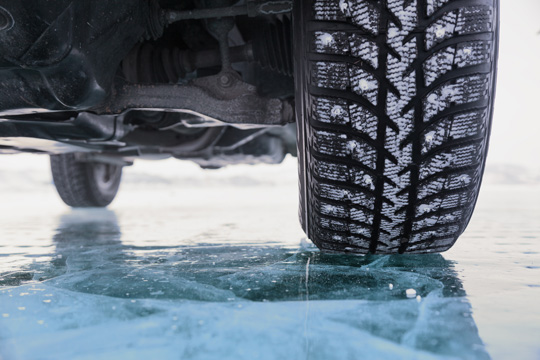
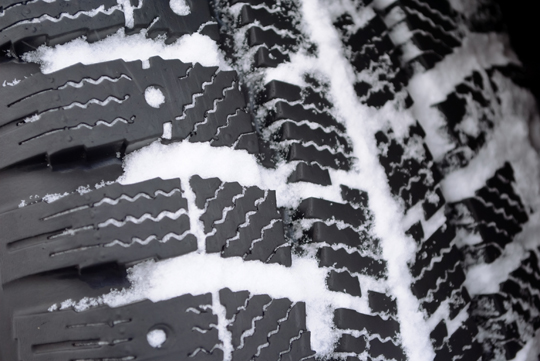
Winter tires, sometimes called snow tires, are different from regular tires in that they have more sipes. Sipes increase traction on wet and snowy terrains but decrease traction on dry roads. These tires are designed to be driven at temperatures below 45ᵒF.

All-season tires are not suitable in cold temperatures because they get hard and stiff when the temperature gets cold, as opposed to regular winter tires. Additionally, winter tires remain flexible during winter and have greater traction. However, a disadvantage of winter tires is that they tend to wear out faster in warmer temperatures.

Picking the Best High Performance Winter Tires

Finding the best high performance winter tires is not easy. Based on Consumer Reports, the best winter tires are the Michelin X-ice Xi3, Michelin X-ice Xi2, and Hankook i*cept evo. However, there are several factors you have to personally consider when choosing your winter tires.

1. First, you have to consider the tread pattern. At least 1,500 sipes is the norm. All-season tires have an average of about 200.

2. Winter tires are also composed of a different compound with a higher silica content that ensures that they stay softer and more pliable in colder temperatures.

3. Lastly, you will have to consider the cost of the tires. This is a big investment that you will have to make, unfortunately. Your safety, and your family’s safety, will depend on these tires.

Do not hesitate to spend even $1,000 for these tires because of the safety issues that you will have if you come into an accident if you use all-season tires during winter. Winter tires could be the difference between driving safely in the snow and getting into an accident.

Need Help?

You’ll want a professional to install winter tires for you. If you are having trouble finding a professional near you, contact TalkLocal today and find out how we can help you!
Soapstone Oil Burner

Friday, October 18th, 2013

Soapstone Oil Burner - Massage Therapy

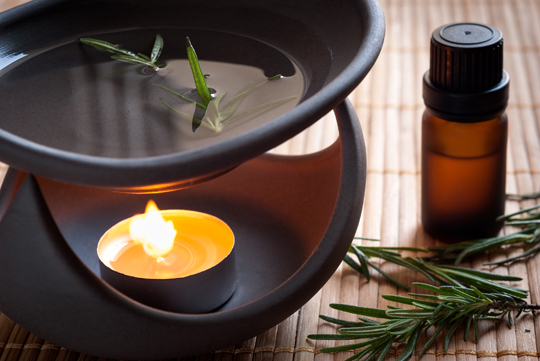
Numerous people seeking to attain holistic serenity choose to discover the amazing benefits of aromatherapy. For them, beautiful, practical, and inexpensive soapstone oil burners represent a valuable asset, enabling them to relax, meditate, and feel increasingly comfortable in their own environment. Keep reading to discover useful information on such incense burners.

What are soapstone oil burners?

A soapstone oil burner is a product utilized by homeowners to heat aromatherapy oils or to burn incense and spread delicate scents. Soapstone, or steatite, is a relatively soft metamorphic rock available in several shades of gray. It has been used for hundreds of years on the Indian subcontinent to create amazing artwork carved with sacred symbols. Because of its unique properties, this material is the perfect choice for artisans who handcraft gorgeous incense burners.

Why are soapstone oil burners so popular?

A soapstone oil burner could become an excellent gift idea for recipients who want to discover the benefits of aromatherapy. Despite the fact that soapstone containers might take a while to reach the perfect temperature, they retain the ideal level of heat for a longer period of time. This is the main reason why a soapstone oil burner is the perfect alternative to metal or glass-based similar items.

Also, soapstone burners require very little maintenance, as they can be effectively cleaned using water and soap. Moreover, when it comes to crafting wonderful burners, artisans usually prefer to rely on soapstone, as this material does not require the use of specialized tools. Soapstone carving is a relatively simple assignment that does not require a considerable effort.

How to find the perfect heating and cooling products

Want to find the ideal heating and cooling products for your household? Are you looking for inexpensive maintenance services or for that expert guidance enabling you to make inspired decisions? In this case, identify massage or aromatherapy professionals operating in your area by relying on TalkLocal, a cost-free service introduced to help you get in touch with the best specialists in your area.

Creosote Sweeping Log

Friday, October 18th, 2013

Creosote Sweeping Log - Maid Services

Numerous companies have launched different types of creosote sweeping logs on the market, allowing homeowners to eliminate potentially dangerous creosote buildups on their own, and keep their fireplaces clean for a longer period of time. How do these products work, and why is it recommended to utilize a creosote sweeping log in the first place?

Keep reading to discover the most accurate answers to these questions and find out how you could easily spot competent providers of first-class maid services in your own area.

What is a Creosote Sweeping Log?

In a few words, a creosote sweeping log represents one of the most convenient fireplace cleaning solutions currently available on the market. This product burns just like a natural fireplace log, but it also reduces creosote buildups in a considerable manner. It is great for both woodstoves and fireplaces, and it does not pose any risks, as it is 100% non-toxic.

Why Are Creosote Sweeping Logs So Effective?

When it comes to manufacturing creosote sweeping logs, each company follows a secret recipe and opts for a unique mix of chemicals combined to eliminate creosote accumulations. However, some of the most common ingredients are trisodium phosphate (TSP), potassium nitrate, and ammonium sulfate.

A creosote sweeping log enables you to get rid of those pesky creosote buildups fast and effortlessly while you spend quality time by the fire with your loved ones. Despite the fact that this modern creosote removal solution will always provide more-than-satisfactory results in no time, it shouldn’t be considered a substitute for professional fireplace inspections and cleaning services.

When Should I Ask for Help?

Never try to burn a creosote sweeping log if you think that your chimney is partially blocked by large amounts of debris or by massive objects, or if it displays obvious signs of structural damage. In this case, it is advisable to rely on expert help, offered by a great provider of cleaning services. Find the best ones by consulting TalkLocal, a free service introduced to connect you with trustworthy specialists who have the shortest, most convenient answers to all of your daily problems.

Techniques to Spackle Drywall Seams

Friday, October 18th, 2013

Techniques to Spackle Drywall Seams - Painters

If you love do-it-yourself projects, installing drywall is one of the tasks you can do. However, knowing how to spackle drywall seams makes the difference between a professional-looking drywall job and an amateur one. Create seamless joints with these techniques:

Prepare the Spackle

1. Following the directions on the spackle container, add water to the paste and mix until you get a creamy consistency. Have some water ready when you start working and pour some water on the mixed spackle to keep it from drying out.

Fill in Screw and Nail Holes

2. Before you spackle drywall seams, fill screw and nail holes on the wall using a 4-inch spackle knife. The holes would be very small so two spackle coats would be enough. Make sure to allow the first coat to dry before applying the next one. Spackle that’s completely dry should appear white and not grayish.

Spackle the Long Horizontal Joints

3. Use an 8- or 10-inch knife to spackle these joints. You have to make three coat applications to these joints, making sure to dry the surface completely between each coat.

4. The first coat will use the most spackle.

5. The second coat should not be as heavy and will only serve to fill in gaps.

6. The third coat is the finishing coat where the edges of the spackle will be feathered out. A wide 12-inch knife is used for the final coat.

Spackle the Outside Corners

7. Complete these corners in three coatings as well with the first application being the heaviest and the third application as the finishing coat.

8. Use an 8-inch knife to apply the initial coat, running one of the blades over the drywall and the other along the corner bead.

9. Apply the second coat, which is the filler, with a 10-inch knife and the final coat with a 12-inch knife.

Spackle the Inside Corners

10. This is the hardest thing to do when you’re still learning how to spackle drywall seams. For the first coat, once again apply a heavy layer of spackling paste with an 8-inch putty knife.

11. Use an inside corner tool to smooth out the coat’s surface. Let the coat dry.

12. Fill the outer edges of the corner by applying the second coat.

13. Apply the last coat, blending out its edges to make them invisible.

Call in the Professionals

Of course, if you’re really after a quality job on your drywall, you can always hire a qualified professional. TalkLocal makes the process of searching for and hiring contractors quick and easy by connecting you directly with the professionals in your area. Try us now!

How to Remove Black Ice

Friday, October 18th, 2013

How to Remove Black Ice - Snow Removal

If you’re about to leave home on a snowy winter’s morning, be careful as you step onto your driveway. It could be covered with the same treacherous black ice that builds up in a thin layer over roads, and you could find your car or even yourself slipping over its surface, potentially getting injured or even sliding into the path of oncoming traffic.

Today we’re going to tell you how to remove black ice from your driveway so you can come and go safely on even the coldest winter days.

Salt or Another Deicer

The first line of defense against all ice – “black” or otherwise – is a deicer product. The most common one is simply sodium chloride, or salt. You can buy bags of salt specifically meant to melt ice and spread it over the icy surface. It’ll melt pretty quickly.

If you have a lot of ice, some more efficient deicers are calcium chloride and magnesium chloride, but these can harm concrete and plant life, so use with caution.

Sand

Once your ice is melted, sprinkle the surface with some sand if you can. Sand doesn’t have any effect on the ice at all, but it will give you and others some extra traction when walking.

Wait it Out

If you don’t have any salt on hand, a snow shovel can be used in a pinch to break up ice, but your best option may be just to wait it out. Black ice is typically very thin, and once the sun hits it, it tends to melt quickly.

If you have an icy issue and you just can’t deal with it alone, TalkLocal can help. Use our free concierge service to find a snow and ice removal professional in your local area today. We’ll connect you with up to three professionals in just minutes.

The Advantages and Disadvantages of Non-Chemical Adhesive Removers

Friday, October 18th, 2013

The Advantages and Disadvantages of Non-Chemical Adhesive Removers - Handyman

People use adhesives and glues to bind all sorts of things. From common maintenance tasks around the house to industrial application, you can find chemical adhesives everywhere. The trouble is that most adhesive removers contain toxic chemicals, such as solvents or epoxies. When using them, you can inhale harmful vapors or the chemicals might come in contact with your skin, which is bad for your health.

If you are trying to adopt a greener, more eco-friendly lifestyle, you could try to replace your usual adhesive remover, which is most likely one based on chemicals, with a non-chemical adhesive remover. For instance, in home improvement jobs, such as tile or paint removal, you need to remove the adhesive or sealant that keeps the tiles or the paint fixed. To do that, people generally use strong, but harmful chemical adhesives. Instead, you could try using a non-chemical adhesive remover.

What are non-chemical adhesive removers used for?

You can use them to remove chemical adhesives from surfaces, such as:

– walls

– tiles

– flooring

Besides construction work, non-chemical adhesive removers can be used in product disassembly. Instead of employing dangerous chemicals to separate the parts of an item, you could use an effective non-chemical remover to achieve the same purpose.

What are the advantages and disadvantages of non-chemical adhesive removers?

Let’s look at the bright side first.

Advantages

Non-chemical adhesive removers:

– Don’t put your health in danger.

– Aren’t toxic and don’t have an unpleasant smell.

– Protect the environment.

– Are safer to use around children.

– Are easy to apply.

Now, let’s see the other side of the coin.

Disadvantages

Non-chemical adhesive removers:

– Are less effective for some materials, such as metal, for instance.

– Are not as strong as regular glue and sealant removers.

– Are less versatile than their chemical counterparts.

Need a Helping Hand for Your Projects?

A handyman can considerably ease your task in maintenance and home improvement projects. TalkLocal is here to assist you in finding the right professional to get the job done.

Ford Power Steering Problems

Thursday, October 17th, 2013

Ford Power Steering Problems - Auto Repair

There comes a moment when your car’s power steering system doesn’t work as it used to. Ford vehicles are no exception. Some of the problems may be noticeable from the beginning; others may be more insidious, causing more damage. However, if you pay attention to the signals and know what to expect, you might prevent a more serious problem by nipping it in the bud.

What Ford Power Steering Problems Can You Expect?

Just like with other cars, if the steering system of your Ford has stopped working, one of the common sources of this problem is the failure of the power steering pump.

How Can You Repair Your Power Steering Pump?

Follow the steps below to identify if you’re dealing with pump failure.

If steering becomes difficult, check the level of the power steering fluid. If you don’t have enough fluid, it’s hard to maneuver the steering wheel.

Your Ford power steering problem might have other sources besides the fluid. For instance, the steering gear or other components in the steering system might be worn out.

1. Lift the hood and start the car engine. Pay attention to the sound of the steering pump while someone else turns the steering wheel. If you hear a whining in the pump, you might be dealing with belt slipping. Reposition the belt and check again.

2. If the noise is still audible, check the fluid. Add power steering fluid if there’s not enough and verify the condition of the pump by turning the steering wheel from left to right  a few times to eliminate air from the power steering system.

3. Start the car engine and have somebody turn the steering wheel while you inspect the components of the power steering system. If there are damaged or loose parts, that’s where the noise might be coming from. This means you need to take your car to a mechanic for a more serious check.

Need Assistance?

If you have questions about Ford power steering problems or want to find a reliable mechanic, TalkLocal can guide you, saving you the hassle of searching for a good car repair shop. Don’t hesitate to use our service. It’s free!

Trailers for Towing Cars

Thursday, October 17th, 2013

Trailers for Towing Cars - Towing

Are you looking for the best way to transport a vehicle from point A to point B without actually driving it? In this case, solid, resistant, fully functional trailers for towing cars might be the perfect option for you. You could either choose to purchase one, if moving and delivering cars is part of your daily business, or rent it, if you only need such a trailer for a limited period of time.

What to ask for when it comes to buying/renting a trailer for towing cars

Usually, the best trailers come with extended ramps, enabling the driver to load the vehicle in record time, with minimal effort. There are various models of trailers that might be perfect for your towing needs, including the tow dolly alternative, perfect for people who want to transport their automobiles safely while saving time and money in the process.

With a durable design, these well-liked trailers, implemented to elevate the car’s front wheels, also come with auto security chains to guarantee the highest level of protection and an incident-free trip. The bad part about tow dollies is that most models have a considerable weight of up to 500 pounds, which might force users to invest in supplementary safety features and extra equipment, like onboard brakes, for instance.

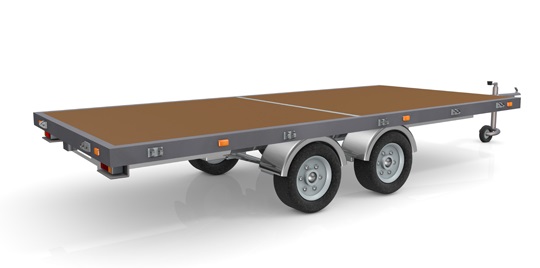
If you are not a big fan of tow dollies, you have one other option at hand, suitable for long-distance car towing. If you were to go in favor of a high-quality trailer for towing cars provided by a respectable rental company, you would most likely benefit from a lot of extra safety features and a loading ramp guaranteeing easy access. Some of the best models addressing all of your car hauling needs should be designed to support a max load of up to 5,290 lbs., come with security chains, tilt-out fenders and automatic brakes, and should be spacious and resistant enough to ensure a first-class, 100% safe towing experience.

Ask an expert

Identifying the right trailers for towing cars can be rather confusing, especially if you’re having a hard time trying to understand towing rules and recommendations. Make an inspired decision by simply discussing your options with a towing expert. Find the best one by using TalkLocal, a free service that will connect you with the right professional in just minutes!

Five Basic Pool Cleaning Tips for Homeowners

Thursday, October 17th, 2013

Five Basic Pool Cleaning Tips for Homeowners - Maid Services

It’s nice to have a pool installed in your yard, but maintaining it does require work. It doesn’t have to be terribly burdensome with these quick and easy pool cleaning tips:

1. Skim the surface of the pool every couple of days or so using a long-handled hand or leaf skimmer. Skimming off leaves and other debris is one of the simplest ways to keep a swimming pool clean and help it circulate more efficiently. Also, make sure to clean out your pool’s strainer basket weekly to remove any debris that skimming may have missed.

2. Vacuum your pool every week to keep the water clear. Vacuuming is very important to remove dirt and algae. Every time you vacuum, check the filter and clean as needed.

3. Brush the pool walls and tiles to reduce the buildup of algae and calcium deposits. This is one of the pool cleaning tips that should also be done once per week. Use tools suitable for what your pool tiles and walls are made of. For instance, use a stiff brush for plaster pool walls and softer type of brush for fiberglass or vinyl pool walls. Avoid using stiff brushes to clean tiles so as not to scratch them.

4. Clean the pool filter only when necessary. If there is some mild dirt in the filter, it may actually help catch other particles. On the other hand, you don’t want the filter to get too dirty. A good way to tell if it’s time to clean the filter is to follow this general rule: First, with the filter clean, take a reading off the pool’s pressure gauge. Take note of the value, and when it rises to around 10 pounds psi, then clean the filter.

5. Test the pool water’s pH level regularly to ensure its cleanliness. The ideal pH level is between 7.2-7.8, which is safe for swimming. Various test kits are available, which can be easily used by homeowners.

Leave It to the Professionals

Of course, you can save a lot of time and energy doing all of these pool cleaning tips by yourself if you hire a professional cleaning service periodically to take care of the hard and time-consuming stuff. Contact TalkLocal now and we’ll connect you with the right pros in minutes!

Are Cookies Malware?

Thursday, October 17th, 2013

Are Cookies Malware? - Computer Repair

Malware, which is short for malicious software, is any unwanted software that can harm a computer system or the data stored on a computer. Spyware is a type of malware that is deployed to a computer over the Internet without notice to or consent of the user, which basically tracks the user’s surfing behavior and sometimes gathers personally identifiable information about the user, and then provides all of this data to a third-party server.

So, Are Cookies Malware?

If you’re asking yourself, “Are cookies malware?”, then the answer is definitely no. In the first place, a cookie is not software. It’s just a small text file that contains details about your visit to a website. If you agreed to have that website remember your login details, then the cookie will contain that information as well your preferences so you don’t have to keep on entering information to the site whenever you return to it.

In this case, which is normally how cookies are used, cookies are good and help make a better Web browsing experience. They are also used to get feedback about the performance of a site and are very important for e-commerce sites to remember what products you looked at and added to your cart.

So What’s the Big Deal?

Why, then, are cookies malware to some people? Cookies are sometimes considered malware when they are used maliciously by third parties to track your online activities, usually for the purpose of targeted advertising. Again, tracking cookies and cookies in general will not be able to run any program or cause your computer to crash or hack your online accounts, or cause any such harm to your system.

However, if have any concerns about using cookies, you can control how your browser accepts or blocks cookies. You can delete cookies on your Mac or PC by changing the cookie preferences of your Web browser. Each browser will have different specific steps to configure the level of cookie acceptance.

Need Computer Help?

If you’re having malware problems with your computer or any other concern that requires the help of a professional, we can match you with qualified computer technicians servicing your area as fast as a few clicks of a mouse. When you need a pro, make it your first step to use TalkLocal, and we’ll take care of the rest.