
Archive for the ‘services’ Category


Types of Radiant Heaters: Oil-filled Electric Heaters

Tuesday, November 19th, 2013

Types of Radiant Heaters: Oil-filled Electric Heaters - Heating and Cooling

An oil-filled electric heater efficiently provides both convection and radiant heat. In these types of radiant heaters, the electrical elements first heat up the special oil sealed inside the unit. Afterwards, the heated oil is circulated throughout the heater’s coils, which in turn heat up the external surface.

The oil in this heater is only warmed up to a certain temperature and never to the point of burning. Also, you will never need to replace the oil, which makes this heater very easy to use. As with all types of radiant heaters, you need to make sure you choose the size of radiator appropriate for the area to be heated.

Benefits of Oil-Filled Radiant Heaters

– These heaters are available in different models to suit different needs.

– They provide an even spread of warmth.

– They are very quiet to operate since they have no fan.

– They are energy efficient and cost effective.

– They don’t cause draughts.

– They don’t consume oxygen in the air.

– Some models are portable, for easy transportation from one room to another.

Ideal for Homes

Oil-filled electric heaters are very safe to use and are, therefore, perfect to use in your home if you have children or pets. The heating element on these types of radiant heaters is completely enclosed within the unit so there is practically no danger of fire or burn-related injuries. They also have safety features, like overheat shutoff, to give users greater piece of mind.

How to Use Oil-Filled Radiators Efficiently

First of all, set the heater’s thermostat to a comfortable level. Also, adjust the heat appropriately for the size of the area or to other specific needs. If possible, it’s best to turn on the heater 30 minutes before you will need the room to be warm, and turn it off 30 minutes before you plan to leave the room.

If you don’t need the heat, you don’t have to leave the heater running throughout the day. By using the timer, you can control the operating cost of these types of radiant heaters while still maintaining comfort in your home.

Need Heating Help?

If you have an oil-filled electric heater that’s not working properly, have it looked at by a professional. TalkLocal offers a free service to connect you with up to three heating professionals. Speak with the right professional right now!

Window Installation Service Benefits

Monday, November 18th, 2013

Window Installation Service Benefits - Window Replacement

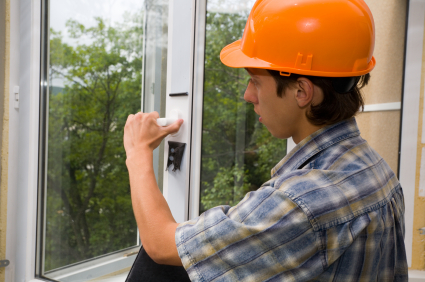
Our windows provide a long list of benefits, as long as they are properly installed. They ensure ideal ventilation, limit heat transfer, beautify our homes, and can become highly effective burglar deterrents. Nonetheless, incorrect installations always reduce the lifespan of any type of window by exposing it to water damage.

DIY project vs. Professional installations

So the question is: should you conduct a DIY project or should you go in favor of a decently priced professional window installation service? The final choice is up to you. Note that window installation is a relatively complex, lengthy process that requires special tools, patience, some skill, and lots of time.

You’ll need to use a utility knife, a 20-ounce hammer, two different levels, a caulk gun, measuring tape, and a hammer-tacker. You’ll also have to do a lot of measuring and purchase a long list of materials, including the window, caulk, roofing nails, foam insulation, waterproof membrane, and metal flashing.

How Much Does It Cost to Install a Window?

A DIY project of this kind would involve expenses ranging from $30 to $50, if you have already purchased all the necessary tools and the new window. A professional window installation service might cost you a bit more, but the professionals do guarantee flawless results and let you focus on much more important problems.

For one window, total costs associated with materials and supplies are estimated at $25. Moreover, window labor is priced at $165 per window, and the average mid-grade window cost ranges from $244 to $282. After doing the math, one could easily reach the conclusion that the total cost to install one window is $472.52, on average.

Ask an Expert

Looking for the best window installation service? When in doubt, don’t hesitate to consult different window replacement specialists who operate in your area. Find the best ones by relying on TalkLocal, your one and only connection to the right professionals, right now.

Repaint Mailbox Post

Monday, November 18th, 2013

Repaint Mailbox Post - Painters

Old, deteriorated mailboxes will inevitably lower the curb appeal of your home. Fortunately, you could easily fix this problem, by simply repainting your box and your post. You don’t need special skills and tools for this DIY project. Keep reading to find out how you could repaint mailbox post the easy way and make the most inspired decisions when it comes to buying the most adequate primer and paint.

Spot the Best Primers for This Job

Whatever you do, don’t forget to apply a primer before adding the first coats of paint. There are two types of primers currently available on the market: oil-based and water-based ones. Oil-based formulas are compatible with most kinds of paints.

Moreover, if you own a metallic mailbox post, make sure you purchase and apply a primer suitable for iron, galvanized steel, and aluminum surfaces. Primers make the new paint last longer and adhere better, and also enable you to obtain aesthetically pleasing results.

Get the Best Paint

Most exterior structures, including your mailbox post, require the use of water-based paints. Acrylic or latex paints guarantee a flawless adhesion on various types of porous surfaces and can be easily cleaned with just water.

On the other hand, oil-based paint formulas ensure extra coverage and require fewer coats, but dry slower than their water-based counterparts. Oil-based paints are suitable for metal surfaces prone to corrosion and also for wooden mailbox posts that eliminate sap or tannin.

Opt for the Best Finish

If you want to repaint your mailbox post, decide which type of finish you’d be interested in obtaining. A satin finish is very appealing and easy to maintain in the long term. Flat finishes are ideal for perfectionists who want to mask the tiniest imperfections and keep their mailboxes looking like new for the longest period of time.

Ask an Expert

With so many options at hand, finding the best primers and paints for your repainting job can be quite a hassle. Simplify your mission by contacting a professional painter who could repaint mailbox post in a timely manner. Find the best local professionals with TalkLocal, a free service brought to you to help you profit from satisfactory home improvement projects on a daily basis.

Fix Mailbox Door

Monday, November 18th, 2013

Fix Mailbox Door - Handyman

Can’t close the door of your mailbox? Defective mailbox doors are a common problem that upsets numerous homeowners. Some of them choose to repair or replace it on their own, while others go in favor of timely, professional services ensured by a trusted local handyman. If you think that the first alternative is right for you, check out the following guidelines to fix mailbox door in two simple steps without any help from a specialist.

Step 1: Diagnose Your Problem

Start by identifying the nature and extent of your problem. Your door may not close properly for various reasons including deterioration, rusty pop rivets, or external damage, such as severe weather.

Newer mailboxes made of cheap materials are usually inexpensive and unreliable. Homeowners try to fix them by reattaching the door using tape and even chewing gum. However, these solutions are temporary and deliver less than satisfactory results.

Step 2: Find the Perfect Long-term Solution to Your Problem

If you want to fix mailbox door and make sure it stays in place for the longest period of time, use nut mail magnets. Apply tiny magnets on your mailbox to keep the door closed at all times, even the worst weather conditions. If nut mail magnets are placed correctly, they do their job for several months in a row.

Here’s a great extra tip: make sure you rub the whole area with alcohol before sticking the commercial Velcro piece on the interior side of your mailbox. This is, by far, the simplest method to fix mailbox door.

You don’t need any special tools or skills, and the nut mail magnets work equally well on brick,  plastic, metal, and wood surfaces, so they are great for any type of mailbox. You can glue the magnet in a few minutes, by simply applying a powerful adhesive, like 3M Dual-LockTM, for instance.

Ask an Expert

If you simply can’t fix your mailbox door on your own, don’t hesitate to ask for expert help. Use TalkLocal to connect with up to three professional handymen in your area, in just minutes.

Types of Radiant Heaters: Water-Filled Electric Heaters

Monday, November 18th, 2013

Types of Radiant Heaters: Water-Filled Electric Heaters - Heating and Cooling

One of the newer ways to provide heat to your home is to use water-filled electrical heaters. These types of radiant heaters circulate water inside through a small pump and, within a few minutes, radiate clean and safe heat that does not dry out the moisture or surrounding air in the room, unlike many other electric heaters.

Also, they are not difficult to maintain and do not need any plumbing work to install in a home, home extension, office, or commercial building.  All you have to do is plug them into a power outlet.

How Do They Work?

These types of radiant heaters have an external folded casing to maximize heat output. This is actually the same kind of casing that you’ll find in any traditional gas radiator heating system.

When you switch on the heater, it will heat the water inside a pipe resting at the bottom of the unit. The heated water is then carried throughout the pipework inside the radiator by a small pump. As it is much faster to heat water than the oil in traditional oil radiators, these types of radiant heaters reach a temperature of 70 degrees in just a few minutes.

Different Types

Water-filled electrical heaters are available in different types. One type has an energy-saving, built-in timer control allowing you to adjust the on and off times of the heater once it has heated the room to a set temperature. The radiator’s thermostat will be able to detect if the designated room temperature has been reached and, if so, will switch off the heater automatically.

Another type of heater has a digital remote control that actually controls the built-in timer remotely. The remote control can be connected to several or all of the radiators in the house so they can be adjusted using just one control. The other type of water-filled electric heater is the low surface temperature (LST) radiator that is ideal for nurseries, care facilities, and schools.

How to Install

First, choose a location to mount the heater that is close enough to a wall socket. Using a spirit level, mark the area on the wall where the heater will go. Drill the brackets into the wall using the marked area as a guide. Place the heater onto the brackets. You should hear a click when the heater has been locked in place. Plug into the socket, and you’re ready to use your new heater.

For professional help in installing or servicing these types of radiant heaters, TalkLocal would be glad to connect you with qualified heating experts in your area. Talk to us now!

Build Flower Bed

Friday, November 15th, 2013

Build Flower Bed - Landscapers

If you’re considering changing the appearance of your garden by creating some flower beds, you need to start by making a basic plan. Building flower beds is not difficult, but there are many options as far as the shape of the flower bed is concerned, and you need to decide beforehand what you want.

You can create small or large flower beds, curved or rectangular, flat or raised. It depends on your preference and available garden space. That’s the beauty of creating your own, home build flower bed.

You can use a piece of paper to make a sketch before actually starting to build a flower bed. This is the best way to define what you want by establishing the size of the flower bed and its shape, the kind of flowers you want to plant and, if you want a raised flower bed, the type of border you’d like. Once you’ve established these details, you can start building your flower beds. There are several steps to take.

1. Mark the Perimeter of the Flower Bed

Use a spray paint to draw the shape of your flower bed, then delineate the perimeter by cutting a line around it.

2. Remove the Grass and Weeds

You can dig out the grass with a shovel or kill it with herbicide. If you decide to dig the grass out, fix the perimeter of the flower bed and start digging. Make sure you remove all of the grass before moving to the next stage. Herbicide kills the grass, but it’s harmful for the soil, and you won’t be able to plant anything for a while.

3. Loosen the Soil

Loosen the soil by using a shovel and a rake or a tiller. A tiller is best, especially for large flower beds, because it allows you to break up soil clumps and mix in compost. Loosen the soil about ten inches deep, and then let the soil dry a little. For smaller beds you can also use a digging fork.

4. Prepare the Soil

Spread a thick layer of compost over the loosened flower bed. Use the tiller to combine the compost with the soil. Smooth out the surface with a rake.

5. Plant the Flowers

Your home build flower bed is now ready, so you can start planting the flowers to complete your gardening project!

Need Assistance with Your Landscaping Projects?

If you would rather find professional landscaping help for all of your yard projects, contact TalkLocal right away, and we’ll connect you with the professionals you need in just minutes, for free!

Alternatives to Shoveling Snow

Friday, November 15th, 2013

Alternatives to Shoveling Snow - Snow Removal

In the winter months, snow can pile up on your driveway, front walk, patio, porch, and other places you need access to, and for most of us that means only one thing: picking up the trusty snow shovel and going to work.

This winter, if you feel like you couldn’t possibly toss one more shovelful of heavy, white snow, let us suggest some alternatives to shoveling snow that you can use to remove snow without a shovel, preventing the risk of injury, saving you time, and more.

Use a Broom

The first tool you can use as an easier alternative to shoveling snow is nothing more than a common household broom. Don’t sweep the snow the same way you sweep up dust inside the house, though. You’ll find you wear out faster and don’t move nearly enough snow that way. Instead, use the broom like an oar, as if paddling down a stream in a canoe. Place your back to the area you want the snow to go, and row your way to a clear path.

Use a Snow Blower

The second best tool to use as an alternative to shoveling snow is a snow blower. Just like using a leaf blower in the autumn to clear away fallen leaves, the snow blower will allow you to easily clear a path without lifting a single pile of snow with a shovel.

Hire Help

Finally, if neither of the above options works for you, or if you’re physically unable to do it yourself by any means, you should consider hiring someone to help you to shovel the snow from your property. Consider neighbors you see shoveling their own drive and offer them some cash to clear yours when they’re finished.

We hope this article helps you think of some new and different approaches to snow removal this winter. If you still need help, TalkLocal can connect you with a snow removal specialist in your local area today using our free concierge service.

Tile Roof Restoration

Friday, November 15th, 2013

Tile Roof Restoration - Roofers

Tile roofs are highly resilient, require minimal upkeep, and are aesthetically pleasing. However, after a certain period of time, they may demand professional repairs. How much money should you spend on your tile roof restoration project, and who should you call to do it?

Signs Indicating That You Should Invest in Tile Roof Restoration

Is your old, aging, tile roof impacting the curb appeal of your property? Does it stop you from preserving an ideal temperature inside your house? Here are a few common signs, indicating that you should invest in a tile roof restoration as soon as possible:

– A large number of cracked, displaced, and/or broken roof tiles

– Defective drainage channels located under your individual roof tiles

– Blocked downpipes and gutters

– Damaged, blocked, or displaced flashings

Getting Started

Tile roof restoration is far from child’s play. Note that a quick fix ensured by an amateur can cause further damages and put your safety on the line. Take your time to identify the best contractors, specializing in tile roofing issues, who can diagnose your problem and address it in a timely manner. If you want to complete this assignment on your own, you have to follow these steps:

1) Replace broken tiles completely.

2) Power-wash your roof to eliminate dirt and moss roots.

3) Remove ridge caps, replace the broken ones and cement new components to the roofing tiles.

4) Seal the ridge caps with a quality, flexible, acrylic compound.

5) Apply an anti-fungal barrier to prevent the growth of lichens and fungus.

How Much Would a Roof Restoration Cost?

If you can’t fix your roof on your own, you should know that professional roof restorations cost anywhere from $2,300 to $5,000. The total cost depends on the area where you live, the size of your roof, and the fees charged by the company that you choose to do business with.

Ask an expert

Looking for the most competent specialists who could tempt you with an inexpensive tile roof restoration? If so, count on TalkLocal to identify the best professionals in your area. Talk Local is a free service designed to simplify your life by putting you in contact with respectable professionals in only a few minutes.

Types of Radiant Heaters: Radiant Heating Panels

Friday, November 15th, 2013

Types of Radiant Heaters: Radiant Heating Panels - Heating and Cooling

Radiant panels can be mounted on a wall or a ceiling. This type of radiant heater is typically made of aluminium and is heated either by electricity or hot water carried through a pipe network. However, the latter option can pose some risk of water leaking in the wall or ceiling, so most residential radiant heating panels are based on electrical systems.

Cost of Electric Radiant Panels

Just like other types of radiant heaters that use electricity, electric radiant panels can be expensive to use because of the current, high electricity rates. Therefore, these heaters are ideally used as a supplementary source of heat in some rooms. They can also be used in a home extension when it’s not practical to use the main heating system.

Response Time

Out of all types of radiant heaters and other heating systems, radiant heating panels offer the fastest response time, because each panel can be controlled separately. This results in cost savings and reduced energy use compared with other heating systems.

When you enter a room with a radiant heating panel, you can easily increase the panel’s temperature setting so you can be comfortable in just a few minutes. If your radiant panels are heated by water, keep in mind that you need to set a minimum temperature on the heater’s thermostat to prevent frozen pipes.

Installation Tips

Knowing how these types of radiant heaters work will guide you on where best to position them in a room to provide the most comfort.

Radiant panels primarily supply warmth to objects within direct line of sight, which means occupants closer to the panel will feel warmer. This is why some people prefer to use wall-mounted radiant panels instead of the ones mounted on the ceiling, because the panels tend to heat the top space of a room more than the bottom part, essentially heating the top of the head and shoulders more than the rest of the body.

However, if you do choose to install ceiling-mounted radiant panels, installation is not too complicated, especially if you don’t mind the panel being visible. Just screw the panel in place through the ceiling with studs and then make a hole for the plug and cord. In a small room, screw the panel to the ceiling and simply run the electrical cord down a wall to the outlet.

Want Electric Radiant Heating Panels for Your Home?

If you don’t have the time to install the panel on your own or you want to ensure proper installation, hire a heating professional. TalkLocal can connect you with three qualified heating professionals. Get expert help now!

Testing an Electric Dryer Heating Element

Thursday, November 14th, 2013

Testing an Electric Dryer Heating Element - Appliances Repair

If your electric dryer is not getting hot or takes too long to dry clothes, you may have a faulty electric dryer heating element. Here are some easy steps on how to test this dryer component:

1. Ensure Safety.

Unplug your dryer. Before you start inspecting your electric dryer or any other electrical appliance, always make sure it’s disconnected from the power supply. Neglecting to do this greatly increases the risk of electrical shock.

2. Locate the Heating Element.

An electric dryer heating element is like a metal panel or box that is often located in the dryer’s back. However, different dryers may vary in the location of the heating element. If you’re not sure where the heating element of your dryer is, refer to the product manual to quickly locate it.

3. Remove the Heating Element.

To access a heating element located in the back of a dryer, unscrew the back panel and set it aside. Disconnect the wire from the dryer’s high-limit thermostat. Next, disconnect the wire of the heating element and unscrew it.

To access a heating element located in the front of a dryer, remove the front bottom panel of the dryer by unfastening the clips that hold it in place. Disconnect all wires connected to the heating element and unscrew the element to remove it.

4. Check Coils.

Inspect the coils to see if any are disconnected or damaged. If you find such issues, the electric dryer heating element will have to be replaced. Otherwise, continue the test.

5. Set Your Multi-meter.

To start the testing, you should set the multi-meter to the lowest setting (Rx1) on the resistance scale.

6. Take a Reading.

Take one probe of the multi-meter and touch it to one of the heating element terminals, take the other probe, and touch it to the other terminal. If the heater is working fine, you should get a high resistance reading up to 50 ohms. However, if the reading shows infinite resistance, then the heating element has failed and needs replacement.

Call In a Pro!

If you find that the electric dryer heating element is functioning, then you need to look for other possible causes for your dryer’s failure to heat. Consider calling in a professional to help with diagnosing and resolving the problem.

If you have a faulty heating element, you’ll also need expert help to replace it. TalkLocal specializes in matching homeowners with the right service professionals. Give us a try and find someone to fix your dryer quick.