How to Keep Snow Off Satellite Dish

Thursday, October 3rd, 2013

How to Keep Snow Off Satellite Dish - Snow Removal

Satellite Dishes

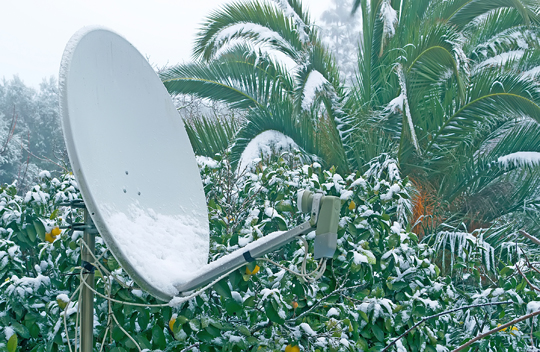
A satellite dish is essential for some people who do not receive television signals or cable television in remote areas. Thus, in areas where there is winter, snow piling up on satellite dishes, which are usually placed on top of houses, becomes a big problem. Snow usually blocks the signal transmission of the satellite dish and can become a problem for signal transmission.

Sometimes snow removal services aren’t always available to remove snow from these areas. There are things that you can do, however, that will let you know how to keep snow off satellite dish.

How to Keep Snow Off Satellite Dish

The best time to take action is late fall, before snow starts to fall. The first thing you have to do is use your hand to carefully wipe dead leaves and other debris from the satellite dish.

It’s important that you don’t move the satellite dish at all and that you don’t touch the Low Noise Block Converter or its supporting arm. Just clean the satellite dish gently of fallen leaves and debris.

After this, spray the metal dish with Rain-X or WD-40. Spray just lightly, and only the metal dish. Do not spray the Low Noise Block Converter or its supporting arm. WD-40 is one of the tools that you need to prevent snow from sticking or to remove snow. It’s very handy to have during winter.

Another alternative is to use cooking spray if you don’t have either of those on hand. However, cooking spray can leave a sticky residue on your satellite dish and can let mold and mildew form. So, it really is better to use Rain-X or WD-40 to prevent snow from sticking to your satellite dish.

Ready for Help?

TalkLocal can help you today! Give us a call and we can help you remove snow from your satellite dish with the help of an expert!


TalkLocal Launches to Fight for SPARTAnburg!

Thursday, October 3rd, 2013

Seva Call Launches to Fight for SPARTAnburg! - Seva Call

Greetings, citizens of Spartanburg, South Carolina! We have news, but don’t kick the messenger into a bottomless pit while shouting “THIS IS SPARTAnburg!!!” in your manliest, maniacal yawp. This is good news! Still, just to be safe, I’ll step aside and pass this message over to Seva Man.

(Seva Man bravely steps forward, and with a swoop of his cape, kneels graciously at your feet — though not within kicking distance.)

“We humble servants of TalkLocal,” Seva Man begins ceremoniously while looking around for swinging, sandaled feet, and bottomless pits, “would like to forge an alliance with the magnificent people of Spartanburg.”

Well, that went over without bloodshed. And that’s right Spartanburgers, TalkLocal — the local pro finding virtual concierge (formerly known as Seva Call) — is sending it’s time-saving troops to Spartanburg to banish the twin evils of inconvenience and incompatibility.

With TalkLocal, finding one of the 1,200 local search professionals in Spartanburg is this easy:

Seva Call Launches to Fight for SPARTAnburg! - Seva Man

Our algorithm constantly researches local pros and vets them based on location, availability, skill set, and even quality assurance indicators like call analytics, online reviews, and social media interaction.

In about 90 seconds, users talk to a top-rated local professional who knows their problem and wants to help on the consumer’s schedule. Plus, because we connect them through our secure line, their contact information remains private unless the consumer chooses to share it.

So, no more battling phone directories, review sites,  voicemail, and email to get help for your local service needs. Our army features over 50 service categories including plumbers, painters, and handyman. So, when it’s time to call the cavalry, get convenient, secure, personal attention on the line using TalkLocal!

Who Can Notarize a Document?

Wednesday, October 2nd, 2013

Who Can Notarize a Document? - Notaries

You may find yourself wondering about who can notarize a document. Well, the answer to this is not as straightforward as some people think. Not everyone can notarize a document. There are certain steps that must be taken before a document can be truly notarized by an authority. In general, a notary public should be the one asked to notarize a document. It is easy to find a notary public. Here, we outline the steps that the notary public has to take in order to notarize a document in case you need assistance.

First, the notary public has to identify the signer.

The notary public has to request some form of identification from you, with a picture attached. This can be a passport or a driver’s license.

Next, verify that the person understands the document.

The notary public has to understand that you understand what it is you are signing. It is important that you are aware of what you are signing. The notary public will not be held liable for the contents of what you are signing, so they have to make sure that you understand what you are undertaking.

Then, check the document.

The notary public has to scan the document visually for completeness before notarizing it.

Fourth, examine the notarial certificate.

The notary public has to check the document for the notarial language, and may refuse to notarize it if the language is not consistent with the notarial requirements.

Fourth, completing the notarial certificate.

This is the last step that the notary public will undertake. The notarial seal will be affixed next to your signature after everything has been checked and everything is in order. Records will be kept of your notary.

Need Assistance?

TalkLocal can help you notarize your documents today! Contact us and we will help you find a professional near you!

Small Bathroom Makeovers: Lighting and Wiring

Wednesday, October 2nd, 2013

Small Bathroom Makeovers: Lighting and Wiring - Electricians

These days, redesigning your bathroom to meet your aesthetic requirements is easier than ever before. Now you have the chance to identify and purchase modern, energy-efficient, accessible appliances to consult numerous eye-catching design ideas available online or in printed catalogs. You can also hire skilled electricians and plumbers who could guide you every single step of the way and help you take pride in a sophisticated, practical, fully functional bathroom.

Here are a few ideas that could inspire you when it comes to investing in small bathroom makeovers.

Saving Energy Every Single Step of the Way

Insulate Your Bathroom Walls, Floor, and Hot Pipes

Just think about it; why do you need small bathroom makeovers in the first place? You feel the need to perform one because you want to beautify your indoor space, but you’d also love to implement beneficial changes triggering significant financial savings in the long term.

In this case, start by insulating your bathroom walls properly, and don’t forget to insulate the floor also, to save up to $100 annually on energy bills. Why waste a significant amount of heat that you’re actually paying for? Remember to insulate your hot pipes to considerably reduce heat loss.

Invest in Energy-Efficient Light Fittings

LED luminaires are trendy, energy-efficient, accessible, and much more convenient than those old-fashioned light bulbs. Inefficient light bulbs are now considered a thing of the past. Did you know they actually turn only 5% of the overall amount of energy that they consume into bright, visible light? If you really want to pay smaller utility bills while adopting an eco-conscious attitude, invest in modern CFL light bulbs, which are up to 10 times more effective than standard incandescent lamps.

Pay the Right Price for Energy-Efficient LED Luminaires and Lamps

Are you ready to invest in small bathroom makeovers? If so, note that modern technology takes energy-efficiency to the next level, due to a new generation of LED luminaires and lamps, designed to provide bright light for up to 50,000 hours while consuming a reduced amount of energy.

Consult an Expert

It might be hard to make a smart decision when it comes to performing small bathroom makeovers. When in doubt, don’t hesitate to consult an experienced electrician, who could easily address all of your lighting needs and concerns. Choose the best one by relying on TalkLocal, a free service introduced to help you meet respectable professionals who are just a few clicks away.

Building a Cement Sidewalk

Wednesday, October 2nd, 2013

Building a Cement Sidewalk - Handyman

If you want to enhance the curb appeal of your home and replace that ugly, old, cracked path, building a cement sidewalk might be an excellent idea. You could either complete this relatively simple project on your own, or you could try to find a competent landscaper living and working in your area, who would gladly lend a helping hand, allowing you to finish this task on time and on a budget while taking pride in spectacular results.

What type of materials should I buy for my project?

You should know that the most recommended material for your new sidewalk is by far a concrete mix, based on aggregates like gravel, crushed stone and sand, and paste, obtained after mixing water and cement. Concrete is a cost-efficient, maintenance-free, durable material giving you more bang for your buck, so this particular material might be indeed the ideal option at hand when it comes to building a cement sidewalk.

Prepare the tools and do your homework

1. While in most regions you don’t need a special approval to build a cement sidewalk on your property, in some areas you have to obtain a building permit before implementing any changes. To avoid embarrassing situations and a fine, make sure you contact your local building inspector first, and ask them whether you need a permit or not.

2. Next, gather all of the necessary tools, including rakes, shovels, wheelbarrows, and professional concrete finishing utensils.

Getting down to business

3. Define the layout, using hardboard siding, a spacer block and marking paint.

4. Establish grades by using a laser. If you’d rather opt for a simpler, cheaper method, rely on a line level and on a string line to come up with a flawless sidewalk design.

5. Afterward, start digging. Use a shovel and a premium sod cutter to remove the excess soil. If you’re usually dealing with drainage problems, it is recommended to elevate the sidewalk a bit.

6. Once you’ve finished excavating the area, start forming the sidewalk by using rigid, yet extremely flexible pieces of plywood.

7. Use a string line and form pins buried in the ground to guide your next steps in the right direction.

8. Pour the necessary amount of concrete and roll it properly by utilizing your concrete roller.

9. Cut the edges with a stick edger and eliminate all imperfections by using a magnesium float.

Ask for help

Building a cement sidewalk requires lots of time, more than a few tools, and special skills. If you don’t have what it takes to complete this project on your own, simplify your mission by contracting a local handyman. Find the best ones in your area by consulting TalkLocal, your trusted source of information designed to help you meet reputable specialists who live and work in your area.

Clean Cast Iron Fireplace

Wednesday, October 2nd, 2013

Clean Cast Iron Fireplace - Maid Services

If you want to turn your home into a cozy, welcoming environment, you could always choose to purchase and install a solid, durable, appealing fireplace. Such amenities made from marble, granite, cement and sandstone are very popular these days, but the cast iron fireplace seems to attract a larger number of buyers who are looking for fashionable, antique-looking, Edwardian decorative elements.

Before making a final decision, think about the fact that keeping a cast iron fireplace in excellent condition requires lots of time, effort, and a strict maintenance routine. Keep reading to find out how to clean cast iron fireplace on your own, and remember that you can always count on professional help if for one reason or another you are unable to complete this particular DIY project.

Getting Started

You may be able to clean marble, granite, cement, and sandstone fireplaces by simply wiping them with a clean cloth and a mix of dish soap and water, but don’t even think about following the same path when it comes to removing dirt, soot, and debris accumulations from a cast iron fireplace, as you could reduce its lifespan by making it rust. Cast iron retains water and rusts very easily.

Eliminate all loose impurities using a handheld broom, and then remove the smallest particles of dirt by polishing the metal. For this special task, you will need a metal polish or some high-quality steel wool and special oil applied to lubricate the surface and ensure a higher level of protection against corrosion. As a final step, remember to use a microfiber (lint-free) cloth to wipe the entire surface in order to obtain a fantastic, shiny finish.

How to Eliminate Stubborn Particles of Dirt

Are you dealing with small particles that are virtually impossible to remove? In this case, apply this useful tip to clean cast iron fireplace and keep it looking like new for a longer period of time.

Use a soft cloth soaked with methylated spirit to remove even the tiniest, most rebellious dirt stains. Scrub the whole area until it is clean and dirt-free. It is recommended to vacuum up your cast iron fireplace at least once a week to simplify your maintenance routine.

Ask an Expert

Are you having a hard time trying to beautify and clean cast iron fireplace on your own? If so, don’t hesitate to contact a real professional offering you the very best maid services. Spot trustworthy specialists operating in your area by consulting TalkLocal, your #1 connection to the best professionals in your area.

4 Tips for an Eco-Friendly Landscaping

Wednesday, October 2nd, 2013

4 Tips for an Eco-Friendly Landscaping - Landscaping

Nothing dolls up a home like a well-designed landscape. But while landscaping often gets a bad rap, a manicured lawn, be it modern or tropical, can be eco-friendly at the same time. With intensive design attention, your lawn can transform from a plain panorama to a sustainable stunner. Here are 4 tips to an earth-friendly landscaping job.

1. Choose local plants

It’s a method called xeriscaping, which is usually achieved by going native with your plant choice. Since native plants are acclimated to local soils and seasons, they require less maintenance than imported plants.

Aside from that, they help attract native animals, thereby promoting diversity. You can learn more about which plants can complement your garden by consulting your local library or municipality.

2. Dress with mulch

Dressing your garden with mulch is an effective way to save time and energy. Plus, it beautifies and invigorates your garden. Mulching helps to improve soil productivity, trap moisture, and discourages weeds from growing. It is a great way of recycling, and therefore saves stress on the environment.

But then again, not all mulches are created equal. Good mulches serve their purpose like cocoa bark, straw mulch, leaves, bark mulch, and other organic matter. Bad mulches, on the other hand, such as cedar mulch, rubber mulch, wood chips, and those which are inorganic in nature may be counterproductive.

3. Sprinkle chemicals sparingly

While chemical-free gardening sounds utopian, it is not impossible. There are several ways to minimize the use of garden chemicals, or better yet, go completely chemical-free.

Start with repelling garden wreckers. Invite backyard buddies such as spiders, ladybugs, praying mantises; and/or intersperse your garden with aromatic and strong smelling plants. These methods will surely put off pests and discourage weeds from spreading.

Overall, it begins with your chemical-free landscaping design and goals. Reducing your chemical use does not only cut down pollution but also protects your family and pets. Should you have no choice but to use pesticides however, be sure to use organic products.

4. Use eco-friendly equipment and tools

Conventional equipment and tools are tempting to use since they make tasks easier and faster. But most of them are bad news for the environment. Using them would be a great irony in your eco-friendly landscaping goal.

Use benign equipment instead. For instance, instead of a gas-powered mower, use reel mowers, which are quiet and maintenance-free. Rather than using weed-whackers, use an eco-friendly cordless weed trimmer. Going green is a trend – so don’t be surprised to find a wealth of options when it comes to green gardening equipment and tools.

So help save the environment – start at your garden. With these simple tips, you don’t have to compromise the appeal of your home landscape and you can surely reduce your ecological footprint. Or call in professional, eco-friendly landscapers to help you design and create your ideal garden. TalkLocal will connect you directly with up to three professionals in your area in just minutes!

How to Keep Snow Out of Attic

Tuesday, October 1st, 2013

How to Keep Snow Out of Attic - Snow Removal

Snow in Attic

Having snow in your attic can become a big problem, especially in snow storms. After the storms, the melted snow can cause the roof to rot and weaken. That will cause big problems, and maybe even cause the roof to leak. Having snow in the attic is not good, and knowing how to keep snow out of attic is vital to keeping your home healthy and your home free from drafts.

How to Keep Snow Out of Attic

The first thing you need to do to keep snow out of the attic is to put a screen over the gable vents in the interior of the attic. This won’t block the airflow of the attic, but it will keep the snow out. Another thing you can do is put windows made of glass in the attic windows and keep them closed only during snow storms, and then keep them open otherwise.

It is important to keep the airflow in the attic open during the summer months, or the wind will stifle inside the attic and will cause dust to build-up. The attic is a place where you keep a lot of things, and dust building up is not good. Maintaining air flow in the attic will help prevent the build-up of dust.

Another idea is to vacuum the attic with a vacuum cleaner, but that is more of a remedy than a preventive measure. The best thing to do is to put galvanized wire onto the window screens to prevent snow from entering but still keep the airflow in check. This is very important so that your attic’s airflow is not hindered.

Call a Professional Today!

Contact TalklLocal today and let us help you find a professional near you to help you keep snow out of your attic! We’ll connect you with the right professionals in your area in just minutes, for free!

Building a Straight Yard Fence

Tuesday, October 1st, 2013

Building a Straight Yard Fence - Landscapers

Numerous homeowners choose to handle their home improvement assignments on their own without involving an expert. However, when it comes to building a straight yard fence, most of them are usually looking for useful tricks and tips, allowing them to obtain excellent results. If you want to start such an ambitious project by yourself, keep reading to find out everything there is to know about practical, appealing, straight yard fences and learn how to build one fast and with minimal effort.

The String Method

The biggest challenge is to build a straight fence. Wrong measurements, abundant vegetation, and sloping terrain can work to your disadvantage, making you misjudge lines. In this case, how do fence builders manage to design perfectly straight fences? Some of them use lasers, a modern method that you could also rely on; however, if you are trying to complete this project on a strict budget, choose to test the effectiveness of the string method, utilized by contractors for centuries to build flawless fences.

When it comes to building a straight yard fence, there are many elements that you should take into consideration. The ideal distance between the posts depends on many factors, including the type of fence you plan to design, its purpose, and the terrain you want to build on.

1. Decide exactly where your fence will begin (point A) and where it will end (point B).

2. Stretch a straight line, using string, from point A to point B to align all fence posts situated in between.

3. Make sure to place the fence posts in the correct position to prevent flaws that might compromise the aesthetics and the functionality of your yard fence. One-third of the overall length of the posts should be completely buried in the ground.

4. The posts can be packed with concrete or with dirt.

4. All wooden fence posts should be placed in an upright position, and each post should be firmly braced with solid stakes, after being aligned properly.

5. Make sure the stakes reach your layout string and then fill all holes with concrete.

6, Take a few seconds to inspect the alignment and make final adjustments if necessary.

7. Let the concrete mix set for approximately 48 hours before starting to install your fence panels or rails.

Ask an Expert

Building a straight yard fence can be quite difficult, especially for novices who have never conducted any type of home improvement projects before. In this case, it is recommended to opt for professional services ensured by talented landscapers. Find the best ones by consulting TalkLocal, your trusted source of information, designed to help you meet competent professionals who have what it takes to address your needs and demands in a timely manner.

What Is Creosote?

Tuesday, October 1st, 2013

What Is Creosote? - Maid Services

Millions of homeowners who have decided to install a beautiful fireplace inside their homes are looking for pertinent answers to one of the following questions: How could I possibly keep my fireplace clean at all times, to avoid considerable safety risks? What is creosote, and how could I get rid of it fast and effectively?

Keep reading to discover the best answers to these questions and more, and to find out how you could find the most respectable providers of maid services, designed to simplify your life and turn your property into a safe, contaminant-free environment.

What is Creosote?

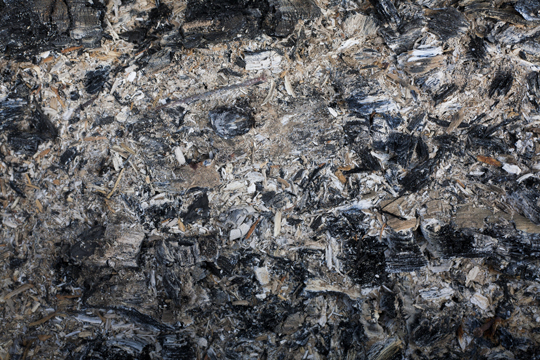
Creosote is a compound obtained from wood, tar and solidified flue gases. Creosote buildups usually appear on both interior sides of your fireplace, especially when the logs are incompletely burned.

Creosote accumulations go through three developmental stages; each stage requires specific cleaning methods and creosote removal agents to provide more than satisfactory results.

1. During the first phase, creosote buildups are represented by smooth accumulations, which could be quickly eliminated using soot eraser sponges.

2. During the second phase, the homeowner will have to deal with extremely flammable, curly, bubbly, or flaky, black or dark brown creosote accumulations.

3. Creosote accumulations in their third stage are known as glaze chimney deposits, which are hard to remove and could cause a devastating home fire almost instantly. Glaze buildups should be removed using special cleaning products and tools, like the glaze removal chains and a creosote removal powder.

How to Prevent Dirty Fireplace Hazards

As long as your fireplace functions optimally and you do your best to keep it clean and dirt-, dust-, and debris-free, you shouldn’t worry about your safety. Make sure you eliminate creosote buildups as soon as possible to avoid potential complications.

Ask an expert

If you don’t have what it takes to clean your fireplaces on your own, take the easy way out and ask for expert help today. Rely on TalkLocal, your trusted provider of fresh information, to identify the very best providers of impeccable maid services operating in your area, and simplify your daily life by making one phone call.