Archive for the ‘Handyman’ Category


Hot Tub Skirting

Friday, July 19th, 2013

Hot Tub Skirting - Handyman

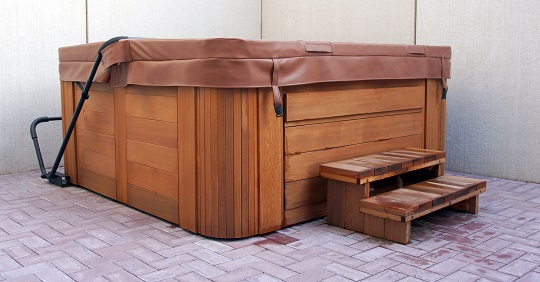
Hot tub skirting is the decorative material which surrounds a hot tub. Skirting serves as a decorative enclosure of the hot tub, as well as a mask for the plumbing contained underneath. Skirting comes in either a wood or a polymer finish, and it comes in many different colors.

Wooden Hot Tub Skirting

Wooden skirting usually is made out of cedar, but other popular woods are redwood and mahogany. All types of wooden skirting need maintenance, especially the skirting for outdoor hot tubs that are in climates which expose the hot tub to severe weather.

Wood skirting maintenance involves staining the wood every year. Some of the woods also require sanding. While these tasks can be performed at home, handyman service providers have the skills and tools required to sand and re-stain the wood quickly and easily. Do not let the wood fade and rot, because it is much easier to keep up the annual maintenance than to replace hot tub skirting. If this does happen, there are handyman service providers who can repair or replace the full skirting.

Non-Wooden Hot Tub Skirting

Skirting made out of plastic, polymer, or foam has become popular because these newer materials are virtually maintenance-free. All hot tub skirts eventually succumb to weather’s wear and tear, but by keeping up with the annual maintenance, they will last much longer than if no maintenance was performed.

Polystyrene hot tub skirting is prone to fading if exposed to sunlight year after year. The non-wood skirting types require less maintenance than wood. A skirt made out of foam will need to be touched up with paint occasionally. Painting maintenance can also be performed by a trained professional.

Need Professional Help

By using TalkLocal, you can easily and quickly find reputable  handyman workers in your area. Simply tell us what you need, where you are located, and when you would like an appointment, and Seva Call will make the calls for you. Within minutes you will be connected with the right professional.

Do It Yourself Skylight Install

Wednesday, July 17th, 2013

Do It Yourself Skylight Install - Window Replacement

Installing a skylight in your home can brighten your space on a daily basis. This is an improvement to your home that can add value as well as aesthetic appeal to your property. By following this do it yourself skylight install guide, you may be able to install a skylight in your home on your own.

Do It Yourself Skylight Install

1. First, you will need to determine the location in your home where you want to place the skylight. Common areas for a skylight install include the kitchen, bathroom, and family room.

2. Next, you will need to determine if you want to install a curb-mounted skylight or a frame-in-place model. A frame-in-place model is installed using L-shaped brackets while a curb-mounted model is mounted in an elevated position over the frame of the roof.

3. After selecting the right window for your needs, consider the placement of the skylight and of the light shaft carefully. Ideally, you will choose a location for the light shaft that falls between the ceiling joists and that does not require the joists to be cut. These windows are designed to minimize the need for cutting into joists, so a simple adjustment in the placement of the window may eliminate the need to cut into the joists. Framing the light shaft and window will require more effort if you do cut a ceiling joist. Keep in mind that the light shaft can be angled or vertical depending on the style that is suitable for your home.

4. The appropriate skylight framing assembly for the type of window that you have selected will need to be installed into your roof, and the light shaft will need to be framed with lumber.

5. To finalize the installation, the window will need to be carefully installed into the framing and sealed, and drywall will need to be installed in the light shaft.

Or Just Have A Professional Handle It

While you can enjoy considerable benefits from your new skylight, including improved ambiance and added value to your home, this is typically a project that you want to leave to a professional. If you would like to learn more about how a professional can install a skylight in one or more rooms in your home, just use TalkLocal. We will connect you with the right professional in just minutes.

Fence Installation Steps

Friday, July 12th, 2013

Fence Installation Steps - Handyman

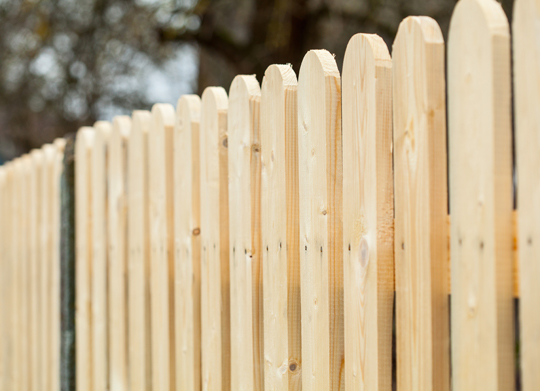
A fence can be a valuable structure for many people. It can keep things and people in or out of a yard and create barriers and borders. Many people hire a contractor or professional to install their fence, while many others do it themselves.

Installing the fence yourself can help you save money and give you a sense of accomplishment. If you want to make sure you are doing it properly, consider these fence installation tips.

Organize Your Materials

Organize all of your tools and supplies before you start installing the fence. Being organized will help you avoid making trips to and from the store, inside your home, and to your garage, and will allow you to focus on the task of installing the fence.

Dig The Holes

Dig the holes for your posts before you proceed with other fence installation steps. Make sure each hole is spaced properly and is the appropriate depth.

Set The Posts

Put the posts in the holes and pour the concrete around them. Make sure the poles are straight and the concrete is firm before you release the post. If the posts are not even and straight, the fence will not look right and could even fall over.

Install The Panels

Attach the fence panels to the posts one at a time. This way, you can make sure they are all level and match up with each other properly. This is one of the most important fence installation steps because the panels make up most of the fence. You may need to have someone help you install the panels if they are very big or heavy.

Finding Help

Installing a fence yourself doesn’t have to be difficult. Follow these simple fence installation steps, and you will have your fence up in no time at all. If you require help for the process, do not hesitate to visit TalkLocal, and let us locate a service professional in your area who can lend a hand.

Use Manual Levels

Monday, July 8th, 2013

Use Manual Levels - Handyman

When you take on any type of carpentry project, you will certainly want to know how to use manual levels. Being able to properly use this important tool ensures that you are building things (i.e. a shelf) straight and that one side is not slouching.

Laser levels may be the latest in the evolution of this tool, but there is no substitute for manual levels. While laser levels can help you layout lines where your objects are going to go, only manual labels are able to test whether what you have built is level or not.

How Does A Manual Level Work?

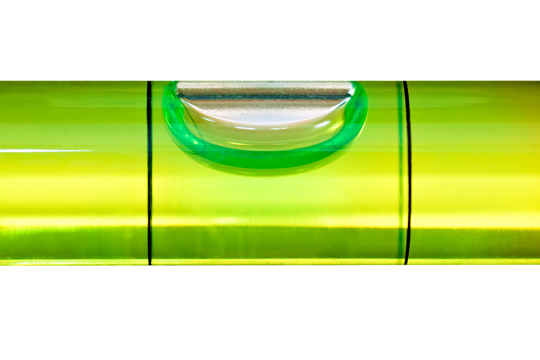
The beauty of a manual level is the fact that it is ultra simple to read and understand. All levels have at least one (many have more) vial of water with two lines painted on it. Inside the water is an air bubble.

You lay the level down on the surface you are measuring. If the bubble lands safely within the middle of the two lines, that indicates the surface is level. If the bubble falls partly outside of the lines or even touches one of the lines, that means the surface is slightly sloped in one direction.

Checking The Accuracy Of Your Level

Before you use manual levels, it certainly does not hurt to make sure it is providing accurate readings. Even though there is no electronic component, there is always a chance that the level might be damaged and not properly measuring the standard of level.

Set the level on a surface you know is flat and make sure the bubble falls within the two lines. Turn the level around and test it again. If the bubble does not give a consistent measurement, you can look into replacing the measurement vial.

Need Help With A Project?

It might be easy to use manual levels, but that doesn’t mean your project will be easy. For any building project, you can always call in the assistance of a local professional. You might not even know where to start when it comes to finding help.

Luckily, TalkLocal does. Tell us about your service professional needs and we’ll connect you with someone who can help immediately.

Non-Chemical Adhesive Removers

Sunday, July 7th, 2013

Non-Chemical Adhesive Removers - Handyman

When you need to remove a material stuck on by adhesive, you have several options. Many people want to avoid using harsh chemicals and opt for non-chemical adhesive removers.

The only problem with these products is that they are not as strong as products which contain chemicals. Luckily, there are several things you can do to help remove the material without the need of expensive products which contain strong chemicals.

Different Non-Chemical Adhesive Removers

– Use hot water to help dissolve the adhesive. If you are removing vinyl floor tiles, you could pour the water onto the tiles, one at a time. If you are removing letters or graphics from a car or window, you should spray the water on and give it time to soak it. The hot water will soften the adhesive and make it easier to remove with non-chemical adhesive removers.

– Use a plastic scraper to peel the material away from the surface. Be very careful when you do this step. You do not want to damage the surface, and if you are planning to save your material and reuse it for another project, you will have to handle it carefully. Peeling it back will allow you to see how much adhesive you need to remove and will allow the hot water or adhesive remover to soak into the adhesive better.

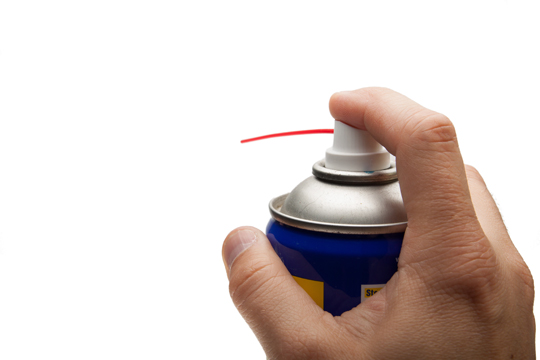
– Spray non-chemical adhesive removers onto the material and allow it to soak in. Many people make the mistake of trying to remove the adhesive as soon as they apply the remover. If you do not allow the product time to work, it will not be able to soften the adhesive and the material will be harder to move.

If you prefer to remove your material without using chemical sprays, consider using these tips and a trusted non-chemical adhesive remover instead. Certain products cannot be used on sensitive surfaces such as glass or vehicle paint, so be sure to read the product labels and test a small area of the surface before you use the product.

Get Help With Your Projects

Skilled handymen can be a huge asset when you have small tasks around the home. You don’t have to know a handyman already. TalkLocal can find one for you. Our screening process will filter out any unqualified professionals, so you will only be connected with someone who can help.

How To Install Batt Insulation

Saturday, July 6th, 2013

How To Install Batt Insulation - Handyman

Are you looking to install insulation in a room, but do not have access to the machinery needed to blow loose-fill material into place? With the products on today’s market, insulating has never been so user-friendly. Batt insulation comes in pre-cut panels, and all you have to do is install them. You don’t even have to be a master handyman.

Batt insulation comes in a variety of materials — from fiberglass and cotton to mineral. Each of these materials has their share of advantages and disadvantages. Once you investigate and find out which material will work best for you, purchase the batts in the appropriate dimensions.

How To Install Batt Insulation

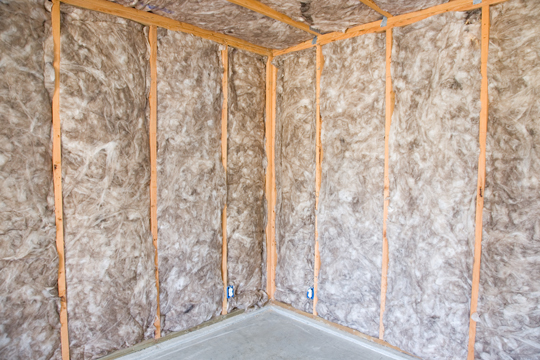
1. The spaces between wall studs are the primary areas you need to fill with insulation. It is very important that you fit the insulation in these gaps tightly. You do not want any gaps or empty space — it will decrease the efficiency of the heating and cooling system of your home.

2. Use a tape measure to get an exact measurement of the space you are looking to fill. Use a utility knife to cut the insulation batts when needed. You want the dimensions of the batts to be a little oversized, so you can cram the batts in for a tight fit.

3. If wires or cables run through the stud cavity, that does not mean you should skip the area. Instead, split apart the insulation batt. Install half of the batt behind the wiring and the other half in front.

4. Remember to insulate around windows and doors. While these spaces are small in comparison to the stud cavities, they are important. A lot of cold or hot air can infiltrate a home through these gaps. Always fit the insulation first and cut after. This ensures a tight fit.

5. Always wear protective goggles and gloves. While fiberglass is not a hazard you should worry about having in your home, handling it excessively can irritate your eyes, skin, and even lungs. Protect yourself appropriately.

Use Talk Local To Find Help

TalkLocal offers a vast directory of qualified professionals in your area who know how to install batt insulation. Finding them is easy and free, and we’ll connect you with them directly.

Chemical Adhesive Removers

Thursday, July 4th, 2013

Chemical Adhesive Removers - Handyman

Adhesive removers are chemicals that breakup and dissolve various types of adhesives. There are many different types of adhesive removers and each one can work on a different type of adhesive.

The most versatile and popular ones are chemical adhesive removers. They are also the strongest and the most toxic. If you are considering using them, you should know a little about these chemicals and how to safely handle them.

Dry Ice

Dry ice is extremely cold and toxic to both humans and animals. It can cause frost bite if it comes into contact with skin. It is also known to cause hypothermia and respiratory problems if inhaled.

If you are using dry ice to remove adhesives, you need to make sure you wear gloves and a face mask. Make sure the dry ice does not touch your skin.

Solvent-Based

Solvent-based chemical adhesive removers are the strongest adhesive removers available. The chemicals in these removers are extremely strong and can quickly and easily break up adhesive.

These types of adhesive removers are also extremely toxic and need to be handled carefully. You do not want to ingest these chemicals under any circumstances and should always wear gloves and a mask when handling them. They can be used to remove any type of adhesives and are often used and sold commercially because of their strength.

Be Careful

Chemical adhesive removers are fairly common and can be found at most department stores and office supply stores. They can be very handy and are often a necessity for anyone who works in an office or print shop or does a lot of craft projects.

Always be careful when handling any kind of adhesive remover and make sure you do not inhale, ingest the product, or get it on your skin. If you should happen to accidentally come in to contact with the product, contact poison control or see a doctor.

Need Help Around The House?

Instead of using these chemicals on your own, you can find a handyman to tend to your projects or chores. It is not hard to locate such a professional anymore.

With TalkLocal, all you have to do is enter some information and sit back and wait for results. We’ll connect you to the right professionals in just minutes.

Barbecue Pit Maintenance

Tuesday, July 2nd, 2013

Barbecue Pit Maintenance - Handyman

Summer is practically synonymous with barbecue. During this time of year, if you step outside, you’re sure to be greeted with the divine aroma of grilled food. Fortunately, having your personal barbecue pit means that you don’t have to play the role of the hungry bystander. You can cook up plenty of your own delicious chow. However, in order to get the most out of your barbecue pit, you need to know how to care for it. Here’s how to perform proper barbecue pit maintenance.

Seasoning Your Barbecue Pit

The most important aspect of caring for your barbecue pit is seasoning it with oil, especially if it’s new. This closes off the pores of the metal, preventing moisture and corrosive substances from causing rust. There are spray-on oils made specially for this purpose, making it fast and simple. However, most expert barbecuers recommend using bottled cooking oil because it does a better job. Using a large paint brush, slather the oil all over your barbecue pit. After using it a few times, the oil will dry into a protective coating.

Painting Your Barbecue Pit

Over time, heat, compounds from smoke, and exposure to the elements can wear away the paint on your pit, which promotes rust. Any metal surfaces inside your barbecue pit should be generously coated with a heat-resistant paint rated for temperatures between 800 and 1,000 degrees. However, while this will protect your pit for a time, it will eventually start chipping away again. Therefore, it needs to be reapplied or touched up periodically. This is a normal occurrence, especially if you leave your pit exposed. Using a grill cover can help slow the process. You can find a suitable cover anywhere that sells grills and grill accessories.

Keep It Clean

You should always make sure to clean out your pit after using it. Leaving burned wood, ashes, and grease buildup can ruin food’s flavor, promote rust and make your pit look ugly. Also, remove any rust with a fine wire brush, then touch up the area with barbecue paint in order to prevent further corrosion. If your pit is in desperate need of cleaning or repair, hand this tough job off to someone who has the proper tools and experience.

Use TalkLocal to find a reputable handyman near you. We will connect you with up to three professionals in your area who will be able to help you when you need them.

Graphite Lubricant Uses

Wednesday, June 26th, 2013

Graphite Lubricant Uses - Handyman

Graphite is a dry lubricant that is used to reduce friction. Graphite lubricant uses can vary but is often used in locks and various types of machinery. Because graphite is such a soft metal, it can easily be ground into a powder. This makes it the perfect dry lubricant. But dry lubricants won’t work for everything. Here are some of the most common ways to use graphite as a lubricant.

Locks

Graphite is often used to lubricate locks and make them easier to turn. Just like other devices, locks have moving parts inside that can stick if there is too much friction. Graphite is poured or sprayed into the lock and is able to get in between the moving parts. The graphite then helps break up the friction and makes the parts move better. This makes the lock easier to turn and reduces the wear and tear on your keys.

Pots and Pans

You may not know it, but one of the most common graphite lubricant uses is as coating on pots and pans. Since the graphite can tolerate heat, it works well as a coating. While many pots and pans tend to use Teflon as a coating, many also contain graphite.

Machinery

The delicate parts in many machines prefer dry lubricants to liquid ones. This is because the dry lubricants tend to last longer on the moving parts. Many types of machinery which contain gears and other moving parts are lubricated with graphite. Graphite is even sold in bulk amounts so large companies can buy a lot at one time and use it on their machinery.

If you have ever wondered about graphite lubricant uses, you now know how versatile it is. If you are in need of a lubricant but think a liquid one may be too messy or just will not cut it, consider using graphite as a dry lubricant.

Need Help Around The Home Or Office?

Maintaining certain appliances or devices can be tricky. It certainly requires a lot more than just a good lube job. If you ever need a handyman, but don’t know where to find one, turn to TalkLocal. We put service professionals of all kinds at your finger tips through our innovative online service. We do all the work; you get results. Try it out!

Use Laser Levels

Monday, June 24th, 2013

Use Laser Levels - Handyman

As technology advances, even the most basic tools get new spins and improvements to help us. When building or measuring, especially when installing shelves or hanging décor, you want to keep things level and straight. Nowadays, laser levels are replacing traditional water levels. Knowing how to use laser levels can make your construction or do-it-yourself project speed by in no time.

How to use laser levels:

Prepare: Make sure your batteries are fully charged and ready to go. Sit the laser on a level surface to test it out so you know whether you need to adjust the water bubble or not. Make sure you have any wall mounts necessary if you’re doing ceiling work.

Test: You will want to test the calibration of the laser level. Put the level on the floor near the end of a long wall. When you turn on the laser, you’ll want to mark the line with a pencil at either end of the wall. Now, move the level to the other end of the wall and check to see if the line still matches both marks. That means it’s properly calibrated and ready to go.

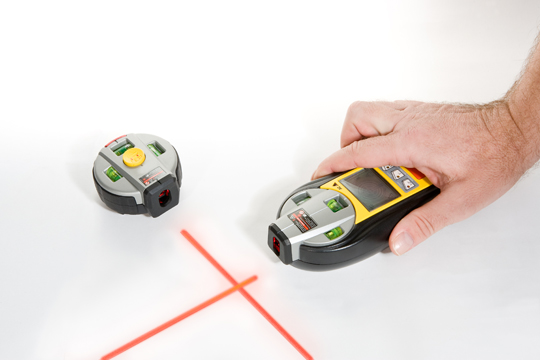
Use: Now that you have prepared and tested your laser level, you’re ready to use your level for your job. The level can produce lines that are vertical, horizontal, curved, sloped, and so on. Many can produce more than one line at once and certain laser levels can rotate as, well. Make sure you select the line you need. If you will need to change settings often, you may consider purchasing a laser level with a remote control.

Care: Taking care of a laser level is different from taking care of a water level. When it isn’t in use, you need to make sure it is turned off and locked into its carrying case. When you’re going a long time without using it, remove the batteries or battery pack so they won’t drain.

Safety: Although they make the job a lot easier, laser levels aren’t toys. Make sure you’re wearing reflective eye protection. Do not ever look into the beam or point it at anyone, and make sure you shine it away from other workers when moving or adjusting the level.

Finding Help For Projects

Using a laser level can make your job smoother, easier, and faster. If you need help picking one out or just have questions for a handyman, TalkLocal can connect you with the experts in your area who have the answers.

We gather a little bit of information about your needs so that we only feed you relevant results.