
Archive for the ‘services’ Category


Charter Bus Road Trip

Monday, June 24th, 2013

Charter Bus Road Trip - Bus Rental

If the price of fuel or airline tickets are forcing you to think outside of the box for your next road trip, you may be considering what it takes to book a charter bus road trip.

Most travel sites will tell you that the efficiency of buses makes for traveling by bus cheaper than plane or car, and they can conveniently drop you off right at your destination. Planes and trains can only get you to the closest stop.

Most charter buses also include amenities such as a restroom, TV screens for movies, reclining seats, and air conditioning. Here are five considerations when you are chartering a bus road trip.

Charter Bus Road Trip Considerations

1. Is the person you are speaking with a representative of the bus company, or are they simply a broker? Brokers will charge as much as 25 percent commission for finding a bus company for you. You will get a much cheaper rate if you work directly with the company yourself. We’ll tell you an easy way to connect with those companies a little later.

2. Unlike flying, there are no comprehensive websites for comparing bus rates. The best way to compare prices is to call each company individually.

3. Ask about gratuity. Some companies require certain rates of gratuity for your driver. If you are booking for a group, this may be included in your total price.

4. Ask about driver accommodation. Some companies require that the group pay for the drivers’ hotel or more, while others include that price in the total.

5. Ask about down payment. Some companies will require payment in full upon booking the trip, while others will accept a down payment of about 22 percent with payment in full about 10 days prior to the trip.

Finding Charter Bus Rentals

Your best bet when trying to book a charter bus road trip is to reach out to reputable companies. TalkLocal has the ability to find one near you quickly. Our service is free, and you will be on the phone with one in minutes. Better yet, we find three of them, so you can make the final decision.


Neighbor’s Tree Is On My Property

Sunday, June 23rd, 2013

neighbor's tree is on my property - tree removal

Home ownership can be a wonderful investment and can provide a sense of security to any family. Unfortunately, there can be a downside to home ownership such as maintenance and property disputes.

If you find yourself constantly cleaning up foliage that isn’t yours and saying “Hey! That neighbor’s tree is on my property!” you may be dealing with one of those downsides. Here are a few guidelines for how to proceed if you find a tree is causing you problems.

The Trunk Is On Their Property

If the entire trunk of the offending tree is on your neighbor’s property, you have a limited amount of action you can take.

You have the right to trim any limbs that overhang your property, but not to the extent of damaging the tree. Tree damage typically constitutes large fines. The best plan of action is to talk to your neighbor.

Explain the situation, and see if he or she is willing to trim the branches, remove the tree, or simply clean up the foliage that ends up in your yard. If they refuse, your only option is to trim the limbs on your side of the property line.

The Trunk Is Partially On Your Property

When trees age, they get larger around the trunk. This could cause a tree that was once totally on one side of a property line to encroach onto another property.

Typically, the law sees this tree as owned by both properties. The best plan of action is to try to work out an agreement with your neighbor. He or she may not be partial to the tree and you may be able to have it totally removed. If he or she wants to keep the tree, some areas may allow for partial removal, including the trunk.

Need To Start Cutting?

To know for sure, ask an expert. Tree removal specialists in your area will be familiar with the laws and can answer your questions when you say “My neighbor’s tree is on my property, what can I do?”. TalkLocal can find a specialist in your area at no cost to you.

How To Save Energy With Home Improvements: Electricity

Sunday, June 23rd, 2013

How To Save Energy With Home Improvements - Electricity - Electricians

Many people often overlook the fact that the best way to save energy is at the source: electricity.

You may be surprised to learn that saving energy through reducing your electricity use is actually quite simple. We have a variety of suggestions, most of which are low, or no, cost. After reading this, you will be able to tell all your friends how to save energy with home improvements.

Why Change At All?

By making a few small changes in your home, you will not only help to save the environment, but you will save on your budget, as well. The benefits to the environment may not be easy to see, but the reduction in your electric bill certainly will be.

Energy Star Appliances

By updating your appliances to new, Energy Star-rated models, you have an assurance that each of those appliances will perform significantly better than your older ones in terms of energy use. These devices include televisions, washers and dryers, refrigerators, and ovens.

Light Bulbs

A less expensive way to save on energy is through replacing your incandescent light bulbs with those rated for energy-efficiency. These light bulbs use about 75 percent less energy and generate 75 percent less heat, making them safer than their less efficient counterparts.

Switches

The cheapest way to save on energy is by not using it. This isn’t exactly an answer to how to save energy through home improvements; it is more a way to save energy through habit changes.

This free method entails keeping lights off and unplugging unused appliances such as toasters and coffee makers. You can also install inexpensive motion detectors to only turn on outdoor lights when motion is sensed.

You Might Need An Electrician

Working with electricity is an overwhelming risk. If it is not one you are comfortable with, consult an expert. TalkLocal can find one in your area quickly, and our service is absolutely free. You will be speaking with a qualified professional in minutes.

Soundproof Storage Facility

Sunday, June 23rd, 2013

Soundproof Storage Facility - Moving and Storage

When you are considering a place to store your stuff, you want to make sure you make the best choice. Your things are valuable to you, and it is important that the storage facility you choose will protect them. If you have valuables which are very fragile or sensitive, you may want to choose a soundproof storage facility. Here are some tips for choosing the best one.

Price

Whether you are planning to store your item long-term or only for a few months, you want to make sure you are getting the best deal possible. Treat shopping for a storage facility the same way you would treat shopping for anything else. Shop around and negotiate.

Most storage facilities are competitive and, believe it or not, some facility owners will even negotiate a price with you. If you are planning to keep your items in storage for several months, you may get a good deal by paying for several months at one time.

Security

You want your belongings to be safe while in storage and that means choosing a facility that offers the best security. Thieves can break into storage units and steal things if they are not properly secured. You can help protect your things by adding more than one lock. Choosing a soundproof storage facility which has lighting and locked gates can also help you keep your items safe.

Distance

If you think you will be using the items in storage soon or often, you should consider the distance the facility is from your home. If you do not want to take a long drive to pick up your items, choose one that is close by. You may have to pay a little more for something close to you, but it might be worth it when you consider the cost of gas.

Find A Facility Through Talk Local

There are many things to consider when choosing a soundproof storage facility. Consider these points and others, and make the choice that best fits your needs and lifestyle. To find a facility that offers these storage units, use TalkLocal. You don’t have to waste your time calling around to places only to find out that they don’t offer what you’re looking for. TalkLocal will connect you with the right professional in just minutes.

Painting Over Mold Stains

Sunday, June 23rd, 2013

Painting Over Mold Stains - Painters

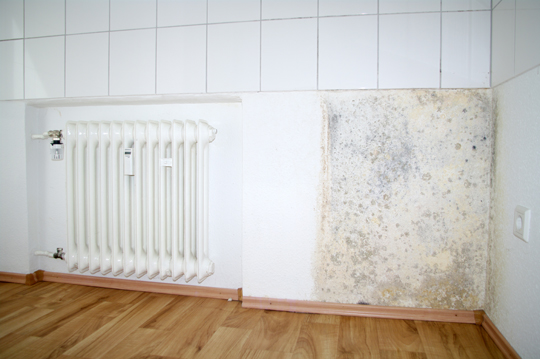
Unfortunately, mold is not uncommon within households throughout the United States. Various leaks or other moisture issues in a home can lay a breeding ground for this particularly harmful substance. Mold can stain walls, putting a major damper on the aesthetics of a room. More importantly, if not properly treated, mold can present serious health risks to you and your family.

Simply painting over mold stains is not going to remedy the problem. You must take a few extra steps that you might bypass when preparing a normal wall for paint.

Here are the extra steps to consider when painting over mold stains.

Identify and Repair the Source: Unless you fix the source of the problem, mold stains are going to continue coming back. Before you get any of your painting equipment out, figure out what is causing the mold and repair it.

Use Bleach and Water: You do not have to order special chemicals to disinfect the mold on your walls — the solution might be under your kitchen sink already. While it does not disinfect all types of mold, a simple mixture of bleach and water gets the job done in most cases. Spray the mixture on the stain and wipe it away. Continue this process until you have come as close as you can to eliminating the stain.

Repair Any Damage: If the mold damaged the wall in any way, use spackle to repair it.

First Apply A Primer: It is especially important to use a stain-covering primer before you start painting over mold stains. This ensures that the discoloration left over will not show through the finished product. Apply one or two coats of the primer.

Paint: Once you have taken those measures, you can go about painting your walls per usual. You can purchase some paints that have special mold-fighting ingredients in them for added protection.

Find Local Painters

This is all old news to professional painters, who make a living finding the most effective ways to make your home’s paint job look flawless. If you would rather hire someone for the job, try seeking out a reputable painter through TalkLocal. We will connect you with the right professional directly, in just minutes.

Home Food Composting

Sunday, June 23rd, 2013

Home Food Composting - Garbage Removal

Isn’t it a shame to see all the spoiled food in your refrigerator go to waste? You probably feel bad enough for not eating those tasty leftovers, so, instead of throwing them in the garbage, you might consider home food composting.

This is an effective way of limiting waste in local landfills, while taking a more eco-friendly approach to everyday living. Home food composting is easy and can benefit both you and the environment. If you are interested in engaging in this increasingly popular activity, here is some information.

Know Your Locality’s Stance On Food Composting

You might not want to gather together a compost pile before you consider local laws. Some areas forbid composting food because they believe it to be unsanitary, citing that it attracts various animals or bugs. Other areas are very much accepting of home food composting, and will even provide curbside service. Check with local resources to find out what the laws are in your area.

How To Store Food Compost

Compost can be stored in a number of ways. The following are a few:

– Compost Pail: This is a way to keep food compost in the house before dumping it into a bucket or compost pile. Some companies offer airtight pails specifically for this purpose.

– Compost Buckets: You can throw all of your food waste into a large bucket and let the food decompose. It always helps to add in dirt, leaves, mulch, or other natural substances to speed up the decomposition process.

– Compost Pile: Board up an area of the yard and stack your food compost there until it breaks down.

Some Foods You Can Compost:

– Fruits and vegetables

– Grains

– Egg shells

– Coffee grounds and filters

– Expired boxed foods

Foods To Avoid Composting

– Meat or meat byproduct

– Fish

– Dairy products

– Greases and oils

Find A Resource On Home Food Composting

There are a number of garbage removal experts who can help you clear away waste that you do not compost. When you need to get a hold of them, try using TalkLocal. We will connect with someone who can help you right away.

How To Save Energy With Home Improvements: Roofing

Saturday, June 22nd, 2013

How To Save Energy With Home Improvements: Roofing - Roofers

Although your first instinct when trying to figure out how to save energy with home improvements may be to invest in better appliances, perhaps you should consider updating your roofing. We all know heat rises, and therefore your roof is your last line of defense when it comes to insulation.

Find out why saving on energy is important and how to do it with your roof.

What Does Saving Energy Mean For You?

With all the talk of “going green” today, it isn’t likely you have been immune to the outpouring of information on energy usage. In case you have missed it, here’s how it works.

To produce energy, we mostly rely on fossil fuels. These fuels are not only irreplaceable, but they emit what are known as greenhouse gasses. These gasses destroy the atmosphere and are thought to contribute to global warming, which has been blamed for the increase in extreme weather. If none of that convinces you, perhaps the impact on your wallet will. Using less energy means you spend less money. Simple.

Roofing Solutions

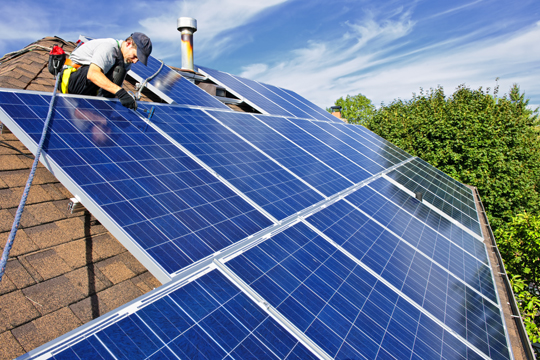
A more pricey answer for how to save energy with home improvements is to install solar panels. Although it is rare to be able to function entirely off of solar energy, using solar panels can decrease your energy usage. The panels use the sun’s energy and convert it into electricity you can use to power things in your home.

A less expensive option is to install insulated roofing. Although this type won’t generate its own energy, it will prevent heat from escaping during the winter or entering in the summer.

Also, do not forget about reflective roofing, which also helps to prevent the sun from heating up your attic and subsequently your home. The reflective materials cause the sun’s rays to bounce off instead of absorbing into the roof.

Start Saving!

To find out more about what energy-efficient roofing can do for you, consult an expert. TalkLocal can find a roofing professional in your area that is highly qualified. The best part is that our service is absolutely free, and you will be speaking to a qualified professional in minutes. We also leave you with options, so you can make the final choice.

Computer Won’t Hibernate

Saturday, June 22nd, 2013

Computer Won't Hibernate - Computer Repair

The hibernate setting on your computer is a godsend when you have numerous documents or tabs opened on your computer. Instead of reopening everything, hibernating your computer will save everything until you return to it at a later time. It saves battery and shortens the time it takes for your computer to boot.

Though there are some great benefits to the hibernate setting, some users choose to disable it. If you find that your computer won’t hibernate, a simple fix may be to check the setting.

To Enable Hibernate In Windows 7:​

1. Click the Start Menu.

2. Type “cmd” in the search box.

3. Hold Ctrl + Shift + Enter.

4. Type “powercfg /hibernate on” in the command prompt. This should enable your hibernation on your computer.​​

Now you need to turn on Hibernate on in your power options.​

1. Open Advanced Power Plan Setting.

2. Click the + by Hibernate after to expand it.

3. In the box beside Setting (Minutes), type the number of minutes for your computer to be ​idle      ​before it hibernates.

4. Click OK.

If you are able to hibernate your computer, but it turns on again shortly after, there may be a device or program that is disrupting hibernation.

To Prevent Devices From Disrupting Hibernation:

1. Click the Start button >> Control Panel >> System and Security.

2. Under system, click Device Manager. Type the administrator password or give confirmation if needed.

3. One of the hardware categories listed may be disrupting hibernation — USB flash drives are common culprits. Double-click one of the devices to check.

4. Click Power Management.

5. Clear the check box next to Allow this device to wake the computer.

6. Repeat steps 3 through 5 for all devices.

To Prevent Programs From Disrupting Hibernation:

1. Click the Start button >> Control Panel >> System and Security >> Power Options.

2. Click Change plan settings on the Select a power plan page.

3. Click Change advanced power settings on the Change settings for the plan page.

4. Expand Sleep >> expand Allow wake timers.

5. Click Disable. This should prevent your computer from being disrupted when it is running on battery and when it is plugged in.

6. Click OK.

Need Help? We’ve Got Your Back

If none of the above options have allowed your computer to hibernate, you should consult technical support. TalkLocal can help you find local professionals to help you with all of your computer needs. You will be connected with up to three, high-quality professionals in your area within minutes.

What Is A Mattock?

Saturday, June 22nd, 2013

What Is A Mattock? - Handyman

If you are a gardener, you may be aware of the many tools needed to create the perfect garden or flower bed. Some of these tools, such as shovels and watering cans, are easy to identify because they are familiar.

There are many other tools that are not as well known and can even look like they are from another planet. A mattock is one of these tools. The mattock has been around for centuries and was used by many ancient cultures, including the ancient Greeks. If you have ever wondered about a mattock, this information will help you.

What Is A Mattock?

A mattock is a hand tool that is used to dig holes and small trenches. It resembles an ax and has a double-headed, dull blade on one end. These tools range in size from three to four feet long and can weigh as much as eight pounds. They typically have wooden handles, but some are made from metal and other materials as well. A screw holds the head of the mattock in place so it does not fall off the handle as it is being used.

What Is A Mattock Used For?

Mattocks have all sorts of uses, most of them in the garden. Many gardeners and farmers use the tool to crush up dirt so that plants can be planted in soft soil. They are also used to dig holes for bulbs, plants, and even seeds. Many people will even use a mattock to cut down small trees, break up and remove gravel, or cut up small logs and stumps so they can be removed and the area can be used as a garden or flower bed.

The mattock may look a little strange but it is a very useful tool. Once you have mastered the technique, you will not know how you every lived without such a versatile piece of garden equipment.

Need Gardening Help?

Whether you are looking for a place to buy a mattock or scouring for help in your garden, TalkLocal has all your resources on one, convenient website. Through our innovative service, you will be connected with professionals of all industries right in your local area. We’ll have you on the phone with the right professional in just minutes.

Small Bose Speakers

Saturday, June 22nd, 2013

Small Bose Speakers - TV Repair

Speakers are a contentious issue among fans of music, movies, and video games. Everyone is looking for something different — from thumping bass to surround-sound battle scenes, consumers are all looking for different things from their speakers. TV is useless without sound.

If you are researching new speakers, you’ll want to make a list of your specific needs. Such as:

– Price. Money is finite, after all.

– Layout of the room the speakers will be used in.

– Portability needs, if any.

– What devices you’ll be attaching your speakers to.

– The sound you’re looking for.

Small Bose Speakers

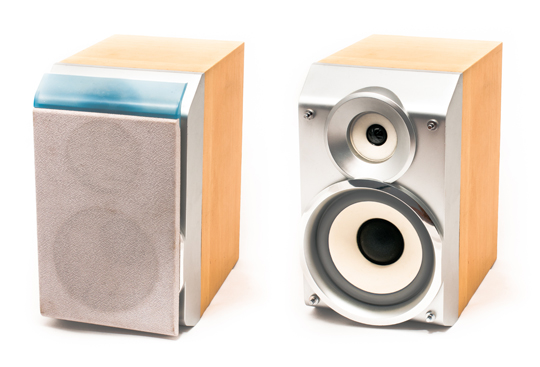
Many consumers have grown to be big fans of small Bose speakers. Bose products are a bit of an investment over popular national brands like Sony or Panasonic.  Compared to designer speaker brands like Polk, Bowers and Wilkins, or Kilpsch, Bose speakers can actually save you money while still providing great sound.

Small Bose speakers are especially effective for those that want to get a lot of sound from a small speaker or two. They also help you limit the number of wires running to and from your television. Small Bose speakers sound great whether you are watching a movie or blasting a Shostakovich symphony.

Whether you are looking for small Bose speakers or some towering concert-hall stacks, everybody has an opinion to offer on which speakers you need. That’s why the best thing may be to do a little leg work.

The only surefire way to find out which speakers you like the best will be to go and listen to some. The sales associate should offer to demonstrate the bass, treble, surround, and other effects through any speakers you are interested in. Avoid anyone who tries to drastically up-sell you or who will not give you straight answers to your questions. Your new speakers will be a big investment that should bring you years of aural enjoyment.

Need Help Installing Them?

TalkLocal can help you locate a local professional to help you install your small Bose speakers and other audio equipment. Try it right now, and you can be chatting with a service professional in a minute or two, for free!