
Archive for the ‘services’ Category


Install An Automatic Gate Opener

Wednesday, May 22nd, 2013

Install An Automatic Gate Opener - Handyman

Gates are often used for added privacy and security to a home. However, they can become pretty inconvenient if you have to manually open and shut them all the time. If this is the case, it might be time to install an automatic gate opener. This is an electronic arm or mechanism connected to an access control that allows a gate to close automatically or with a remote.

This seems like a project only a professional could handle, but surprisingly, a lot of automatic gate openers on the market are easy enough to install yourself. Here are some steps that could help you install an automatic gate opener at your home or office.

Picking Out The Right Gate Opener

Automatic gate openers are far from one-size-fits-all. You have to be careful to install an automatic gate opener that can handle your specific gate. To do so, you must ask yourself a number of questions. How big is your gate? How much does it weigh? Does it swing inward or outward? When you shop around, chances are, a store attendant will be able to help you make the right buy.

Review Installation Instructions

These systems come with in-depth instructions specific to the product. You might be eager to install an automatic gate opener, but you need to thoroughly review all of the instructions before tackling the project. Some even come with a DVD that will provide helpful visual instruction.

General steps for the installation process include:

– Fasten the bracket assembly to one of the poles.

– Using the bracket assembly, mount the gate opening arm.

– A stop plate goes on the other end, allowing for the arm to stay in position when the gate is closed.

– A control box is mounted nearby with the proper power source. This is the brains of the automatic gate opener.

– Power cables must run from the control box to the arm.

– Adjust all of the settings on the control box to ensure that the opener functions as needed.

Call In For Back-Up

Again, this process will be a little different, depending on what kind of gate opener you purchase. While this seems like a very random home improvement project, there are professionals in your local area that can help. You can find them through TalkLocal. We will connect you with only people that can help, so you don’t have to wade through a sea of unqualified professionals.


Moving With Bedbugs

Wednesday, May 22nd, 2013

Moving With Bedbugs - Pest Control

Bed bugs are more common than ever — especially for those who rent. Over 99 percent of exterminators report seeing bedbug infestations within the last year. Chances are, someone in your current complex (if you share housing) has them. Maybe you have already been bitten by them.

If you have them now, bedbugs will try their best to come with you on your furniture, in your books, electronics, clothes, and of course, your bed. Moving with bedbugs may seem impossible, but with a little knowledge and some diligent effort, it really is possible to leave them behind.

What You’ll Need:

– A powerful vacuum cleaner with a detachable hose (bagless is best)

– Isopropyl alcohol

– Cotton balls (do not cheap out on the synthetics, get cotton)

– Spray bottle

– Air tight bags

– Zip liners

– Diatomaceous Earth

Using Dryness

Moving with bedbugs is really about arriving without them. This means concentrating on giving bedbugs what they hate. They hate dryness, and will flee any area sprayed with strong rubbing alcohol. This is not a permanent solution though, even if you do it daily. Vacuuming, then spraying around, and under your bed and furniture will still keep bedbugs from spreading and may make your home uncomfortable enough that the bedbugs may decide to go elsewhere.

Heat

Bedbugs also hate heat. Wash every piece of clothing, bedding, towel, draperies, cushion covers — everything made of cloth that you own. Leave them in a hot dryer for a bit longer than usual. When they come out, immediately seal these clothes in a zip-top or space-type bag. Vacuuming the air out will save room. Once these items are sealed, do not open the bags until you arrive at the new place. If you have a laundromat nearby with a giant dryer, use this for large items like sleeping bags or comforters. Ideally, you should take these items directly to your new place after cleaning.

Check Unlikely Places

Bedbugs are crafty and annoying, and will hide in places you least suspect — such as your camera, modem, DVD player, or video game console. Take these items apart as much as you’re able and vacuum out the inside. Next, clean every part with alcohol. Seal these in bags once they’re clean, and/or remove them from the infested area.

Don’t Throw Your Stuff Away!

If you are moving with bedbugs and debating whether or not to throw out your mattress, we urge you not to.  They’re expensive, and in most cases, trashing the mattress is not necessary.  Entire mattresses and pillows can all be zipped up in impenetrable liners. Sprinkle in a bit of Diatomaceous Earth, as well. Diatomaceous Earth will kill any bedbugs that remain, as well as the eggs. Once you move, do not remove the liner for at least a year. Ideally though, you can leave them on forever. If you want to leave it to the experts to kill these pests, TalkLocal can help you find one. Our service is fast and free!

Massage For Lower Back Pain

Wednesday, May 22nd, 2013

Massage For Lower Back Pain - Massage Therapy

When you experience lower back pain, whether due to normal stiffness over time, or you have a specific injury, having a lower back massage can alleviate a lot of the pain and discomfort. Lower back massages are the go-to for the all-too-common lower back issues. No more Ibuprofen or Tylenol; check out the benefits of massage for lower back pain for once!

How Does Massage For Lower Back Pain Work?

Massages are aimed at loosening up the muscles and tissue in specific areas of the body. For lower back pain, the massage is geared towards loosening the surrounding muscles of the lower back in order to take the pressure off of your strained muscles. A 10-week intervention program of massage for lower back pain has proven results to almost completely eliminate the pain from your back. That is definitely something to check out!

The Benefits Of Massage For Lower Back Pain

Not only will the lower back messages decrease your pain, it will also improve your range of motion. You will be back to functioning like your old self with better ease of movement. In addition, having a massage relaxes your mind from a stressful day and can be used as a meditation exercise. Not only will you feel a sense of relief throughout your back, the muscles in your back will then cause other parts of your body to become loosened and will experience pain reduction.

Getting a massage for lower back pain can extend to your overall mental health, and even to other areas of your body. Overall, you will feel looser, healthier, and much more relieved!

Find Yourself A Massage Therapist

To get more information about the best massage therapists near you, check out TalkLocal. You will be connected directly high-quality massage therapists right in your neighborhood. It is quick, easy, and free to use. Check it out!

Auto Key Won’t Turn In Ignition

Tuesday, May 21st, 2013

Auto Key Won't Turn In Ignition - Auto Repair

One of the most frustrating things during the morning rush is finally getting in your car only to find that your auto key won’t turn in ignition.  While this problem is usually rare, don’t panic. In most cases, the problem is really minor and you’ll first want to do some basic troubleshooting before trying to call a professional.

Do You Have The Right Key?

While this may seem obvious, but this can be quite common for people who own more than one car.  It happens sometimes when you’re in a rush or running behind schedule, so make sure you’re using the correct key.  You may also want to take the time to check that your key isn’t damaged or bent, as your key needs to be firmly seated all the way in the ignition before it can turn.  Try using a spare key and see whether it makes a difference.

Is Your Car In The Right Gear?

Depending on your vehicle and its transmission, your vehicle usually needs to be in either Neutral (for manuals) or Park (for automatics) before it can start. Be sure that you are in the correct gear before starting your car.

Is Your Steering Wheel Properly Aligned?

Oftentimes, vehicles need to have the ignition and the steering column in a precise position before being able to start the car.  In order to do this, you’ll first want to insert your key and begin to apply turning pressure on the key.  Shift the steering wheel back and forth until you find the “free spot” where your key can turn in the ignition.  You may need to apply considerable pressure or give your steering wheel a good yank before it actually moves.

Is Your Car Still Not Starting?

If none of the above tips helped to solve your ignition problem, you may want to contact an auto repair professional to take a look at your ignition and give you a personalized assessment.  Save yourself the hassle of searching and use TalkLocal, so that you can talk to high-quality, local mechanics in just minutes!

How To Remove Shrubs

Tuesday, May 21st, 2013

How To Remove Shrubs - LandscapersJust because you plant a shrub and it takes root, doesn’t mean that you cannot move it around within your landscape or remove it altogether. When a shrub is no longer healthy, or simply does not mesh with your landscape, it might be high time to get rid of it.

If you do not know how to remove shrubs, you will likely end up with tired arms and an achy back. Once the roots take hold, a shrub is not going anywhere without a fight.

How To Remove Shrubs

1. Trim the shrub back as best as you can. It is not easy trying to handle a shrub with long, out-of-control branches. Prune the shrub the best you can so you don’t have to deal with something so bulky.

2. Start by digging in the area around the shrub. If you immediately dig in your shovel at the base of the shrub, you will be slowed up by thick, stubborn roots. Plus, if you break those roots, you will damage the shrub and you will not be able to replant it.

3. Dig around the base of the plant with a roughly two-foot radius from where the shrub enters the ground. Once you dig down, start working your way in toward the shrub.

4. Even if you plan on replanting the shrub, you can still clip away the smaller roots to make it easier to dig. You will want to try to preserve the larger roots if possible. To do this, dig around these main roots, clearing the soil away to expose them.

5. As you dig and clear dirt away, continually wiggle the shrub in an effort to jar it loose. This certainly will not be a quick and easy process. If the shrub has been there for a long time, or is especially big, the roots will have a firm hold on the soil.

6. Once you are able to remove the shrub completely, make sure to go back and take out any roots that remain in the soil. This ensures that you won’t face unwanted growth in the future.

Call In The Guys That Know How To Remove Shrubs

There is a real science to removing shrubs, and most landscapers have it down cold. If you require the services of a professional landscaper, TalkLocal can help you find one in your area fast. Try out our service and see how effective it truly is.

Types Of Car Window Tint Film

Tuesday, May 21st, 2013

Types Of Car Window Tint Film - Auto Glass Repair

Window tint is a multi-purpose tool these days. While window tinting is often seen as a sleek-looking addition to a vehicle, it can also be used on homes, office buildings, and other work spaces. Tinting windows can ensure an added layer of privacy in addition to regulating the amount of sun and light that enters a window.

As far as automobiles go, there are several types of car window tint film available on the market. Window tint film contains polyester — the thicker the polyester, the darker the tint of the window. However, different features have been added to film over the years to produce these different types of car window tint film.

Dyed Film

Dyed film is probably the most common of the different types of car window tint film. A dye is added to the film to absorb heat and reduce visibility. When sunlight hits the window, most of the heat is absorbed by the dye. The heat that gets through, reaches the window but evaporates before entering the vehicle.

Metalized Film

These car window tint films use a very thin layer of metal to both reflect light away while absorbing both heat and radiation. A wide variety of metals (25 different types) can be used in metalized films. The metal is layered incredibly thin.

Hybrid Film

These films combine the best of both dyed and metalized films. They bring together both the absorbing powers of dyed films and the reflecting powers of metalized films. Because most of the sunlight is reflected instead of absorbed, the tint can be a lot lighter than traditional, dyed films.

Ceramic Film

You might not have heard of ceramic window tint films yet, as they are somewhat of a breakthrough innovation in the industry. Ceramic films incorporate ceramic tints that not only tint windows, but also strengthen them.

Where Can I Get My Windows Tinted?

All of these different types of car window tint film are effective, so it boils down to personal preference. When you know what type of tint job you want, visit TalkLocal to find a technician that can help.

Key Broke Off Inside The Lock

Tuesday, May 21st, 2013

Key Broke Off Inside The Lock - Locksmiths

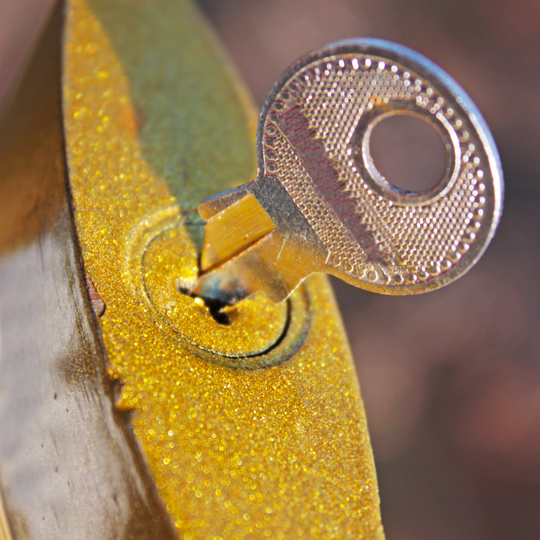
When you are in a hurry and are not careful with your lock and key, you might find yourself with a big problem. Sometimes you can bend your key or scratch it, but other times you can cause some serious damage — like when the key breaks before you completely remove it. Knowing what to do if your key broke off inside the lock ahead of time can save you a lot of trouble if it happens.

If Your Key Broke Off Inside The Lock, try following these steps (note, this will not work if you have a skeleton key):

1. You will need to get a thin-bladed piece of metal, preferably serrated metal. For example, a broken coping saw blade or jig saw blade would work well.

2. If it is possible for you to remove the lock from the door, do so. If it is not possible or not easy for you to remove the lock from the door, do not worry.

3. Figure out how the key is positioned. You need to know this so you can work from the side with the teeth. The smooth side won’t help you here.

4. Spray the keyhole with some sort of lubricant, such as graphite powder. Do not drown the keyhole, but make sure it is evenly coated to ensure a smooth transition.

5. Match the blade and key tooth-to-tooth and slide your blade into the keyhole.

6. Keep pushing, slowly but smoothly, until the blade’s teeth grab the key’s teeth.

7. Pull the blade out very slowly, making sure it remains connected with the key. This should pull the broken key piece out.

These steps will work for most typical locks, but some lock and key sets will be more difficult. For example, deadbolts will be harder to wriggle through because they are designed to be sturdier.

Connect With A Locksmith

If this does not work, you may need to consider getting some professional assistance. TalkLocal can connect you with local locksmiths that can get your broken key out and fix your lock. The search process is quick and easy.

Laptop Screen Won’t Turn On

Tuesday, May 21st, 2013

Laptop Screen Won't Turn On - Computer Repair

Few things are scarier than your laptop screen going (and staying) dark when you need to get to your finals paper, thesis, or an important e-mail. Whether you are using a PC or a Mac, Windows, Linux, or something else entirely, if your laptop screen won’t turn on, you need a fast and effective solution.

Determine the Cause

You will want to determine if the problem is with the screen, or the whole laptop. Is the power light on? Can you hear the hard drive or the fan? If so, you can trust that the laptop is still functioning. If not, the problem may be as simple as the power adapter. Biting pets, swivel chairs, and power surges can take out even the most reliable adapters. Trying another power adapter may just do the trick. Keep in mind that if the laptop isn’t turning on at all, that’s a more serious problem that could be related to the motherboard or the hard drive itself. Sorry, but you’ll need to call tech support or take it in for that.

Recycle the Power Source

If the laptop screen won’t turn on despite receiving power, you may need to do what’s called recycling the power source. This involves unplugging the laptop and removing the battery completely. You may need a screwdriver for this. When the battery is out, reattach the power adapter and turn the laptop on, holding the power button down for a good 10 to 12 seconds.

Hard Restart

Mac users may have success performing what’s called a hard restartThis involves pressing and holding the power button until the computer shuts down on its own. Wait 20 seconds, then press the power button once to restart. If this does not solve the issue, your next step is calling the good people at Applecare.

If all seems to be in order but your laptop screen won’t turn on, you may simply want to attach an external monitor for the time being. This will reduce the portability of your laptop significantly, but it will also give you some much-needed functionality, and allow you access to your files.

Get help

This could be considered a computer emergency, which requires the swift help from a computer repair professional. TalkLocal can track down a local professional in a matter of minutes and get you on the phone with them. Thousands of people have used our free service. Try for yourself.

Building A Chain Link Fence

Monday, May 20th, 2013

Building A Chain Link Fence - Handyman

Chain link fences seem to be as practical as they are cost-efficient. Like driveway gates, many people utilize these types of fences in their yards to keep unwanted visitors away and to stop their children or pets from wandering off. Building a chain link fence in your yard will take plenty of time, effort, tools, and supplies, but it is certainly a do-it-yourself project worth taking on if you are concerned with saving a few bucks.

Building A Chain Link Fence

1. Before you even break ground, you’ll want to examine your property line and make sure that you are not infringing on someone else’s territory. If you constructed your fence and your neighbor had an issue with it, you might be forced to take the whole thing down. Also, you’ll want to make sure that building a chain link fence complies with property codes for your area. You always want to comply with local statutes when altering or renovating your property.

2. Plan out the areas where your chain link fence will run. This takes careful measurement and the right tools to ensure that the fence is straight. You can either mark the fence line with spray paint on the grass or else outline it with string tied to wooden stakes.

3. The posts are the first element of the fence to go in. Dig each hole with a post hole digger. These holes must be separated by equal distance. Also, the post hole should be deep — approximately 1-2 feet. Once the posts are dropped into the holes, fill in the holes with cement to stabilize the posts.

4. Most common chain link fence kits come with pipe fittings and tension bands. Install this hardware on the poles before bringing out the chain mesh.

5. Run the chain mesh from post to post, making sure it stays tight the entire way. Through careful planning, you should have purchased just the right amount of chain meshing for your fence.

6. Most chain link fences include a gate. Gate kits are commonly available with all chain link fence supplies and make installing a gate amazingly simple.

Too Much For You?

It takes a lot of energy and know-how to build a chain link fence that looks good and serves its purpose. There are always local professionals available to help when you are in a jam. You don’t have to search hard for them, either. Just use TalkLocal‘s nifty service and you’ll be talking with someone that can help in a mere 90 seconds.

Ventilation Systems Designed For Efficient Heating and Cooling

Monday, May 20th, 2013

Ventilation Systems Designed For Efficient Heating and Cooling - Heating and Cooling

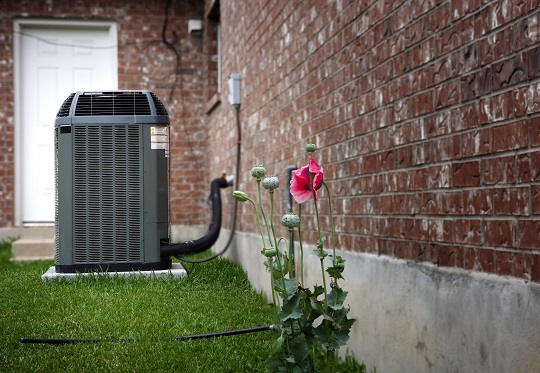
One of the best ways to save money is actually to be green.  Many homeowners use quite a bit of energy when heating and cooling their homes, ultimately realizing such inefficiencies in their monthly energy bills.  As such, picking and investing in ventilation systems designed for efficient heating and cooling can save you both time and money.  Read on for tips on how to choose the right ventilation system for your home.

Size Does Matter

One of the most important factors to consider is the size of the ventilation system.  Most ventilation systems serve three major purposes: cooling, heating, and dehumidification.  When cooling, air conditioning systems will usually stop cooling after reaching a certain temperature threshold.  However, if the ventilation system is too large, the air conditioner will stop cooling before all of the humidity is removed, causing the air to feel heavy and clammy, ultimately wasting energy and money.  Make sure that whoever is installing your ventilation system is using an approved computer program designed to calculate the proper sizing of your unit.

Location

Choosing the correct location of the ventilation is also incredibly important to having an efficient heating and cooling system.  Your ventilation system should ideally be located inside the home and in air-conditioned space, since its primary job is to circulate and condition the air in your home.  If your air handler is located outside or in the garage, it not only will have to work harder to condition the air to the proper temperature, but also may be exposed to dirt and other air pollutants, leading to poorer air quality.

Windows and Weatherproofing

While you definitely want to consider the efficiency of your HVAC system, you must also think about your home as well.  Make sure that your windows are high-quality, multi-paned windows that have proper weather stripping.  Your front door, garage doors, and any other entrances to your home should also have the proper insulation and caulking so that you have a tight building envelope.  This will ensure that your home will remain as efficient as possible and save you money!

Talk To A Professional

There are many other factors that you may want to consider, such as the maintenance of your HVAC system and home insulation.  You should talk with a HVAC specialist if you’re considering replacing or installing a new HVAC system.  TalkLocal can connect you with a highly-rated HVAC specialist in your area in just minutes!