
Archive for the ‘services’ Category


Tailor Made Shirt

Wednesday, December 18th, 2013

Tailor Made Shirt - Tailors

A man should experience wearing a tailor made shirt or two, even just a few times in his life. Sure, it’s obviously going to cost more, but it is well worth the money and the wait, as long as you have it done by a reputable tailor. Ordering a custom shirt is a unique, fun experience, but knowing how to go about it is important to prevent disappointing results.

You might have heard how thread count matters when it comes to bedding. Well, the same applies when it comes to dress shirts. Fabrics with higher thread counts are softer. While high-end designer shirts often have a thread count of more than 200, you’ll be perfectly fine with anything over 140.

Two-ply fabric would be a quality choice for dress shirts. In terms of where the fabric was made, Italy and Egypt are known to be first-rate cotton manufacturers.

It would defeat the purpose of buying a tailor made shirt if it ends up not fitting you properly. What a waste of money and time that would be! So it’s best to leave the measuring to a skilled tailor.

If you’re planning to buy a tailor made shirt from an online store, simply pay a local tailor to get your measurements. When measuring any area, the tailor should always get the widest circumference. Also, make sure to be very specific about how you would like the shirt to fit.

One of the best things about having a tailor made shirt done is that every detail is given a lot of attention. When it comes to the buttons, plastic is a common choice. Go for pearl buttons if you want to look extra sharp. Cuffs with gauntlet buttons are considered more stylish.

The sides of the shirt are ideally hand-sewn, while the seams should be wrinkle-free and smooth. Only a single line of stitching should be seen on the shirt’s sides. The collar should also be wrinkle-free, firm, and with collar tabs.

You want a tailor who you can trust will do a great job. A good tailor can easily tell the style that will suit you and flatter your physical characteristics and size. He or she should also offer to take your measurements to ensure a perfect fit.

If you’re on the lookout for a good tailor, TalkLocal can help. Contact us now and we’ll do the search for you. You’ll be connected to quality tailors in your area within minutes.
How to Avoid Emergency HVAC Repair Service

Tuesday, December 17th, 2013

How to Avoid Emergency HVAC Repair Service - Heating and Cooling

Modern heating, ventilation, and air conditioning (HVAC) systems are designed to work incredibly efficiently. Yet most emergency calls for HVAC repair service are caused by simple issues. However, all it takes is a few practical steps so that you can avoid the trouble of a broken down AC system in the middle of summer, or a heating problem in winter.

Here are some tips to ensure the smooth operation of your HVAC system:

1. Schedule a routine HVAC maintenance program.

As with most mechanical devices, a regular maintenance program will keep an HVAC system in smooth, running condition. With so many moving components that work together, failing to check the parts and pieces on a regular basis can easily lead to problems that need emergency repairs. Here are the basic things that should be part of a routine HVAC maintenance:

– Monthly cleaning or replacement of air filters inside the home

– Monthly cleaning of the ductwork to minimize dust and debris buildup

– Annual replacement of HVAC filters

– Annual cleaning of the coils

2. Keep the HVAC system clean of debris.

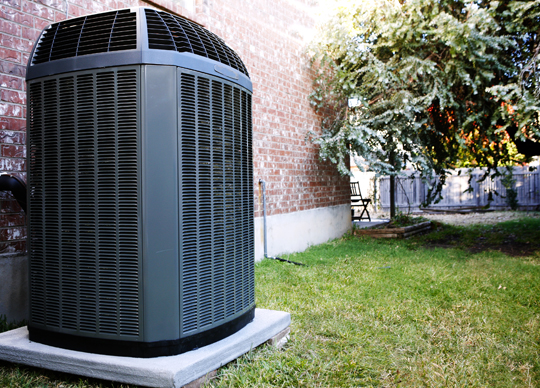
You can lessen the amount or frequency of emergency HVAC repair service calls simply by being mindful of where your unit is located. It may be situated in an area with trees nearby, so it can easily be covered with debris that falls from the trees, in addition to dust and dirt. Make it a point to check your HVAC system at least once a month and clear any debris off the unit that might block airflow.

3. Pay attention to the thermostat.

Another simple but effective way to prevent most issues that require emergency HVAC repair service is to make sure the system runs consistently. Many repairs are caused by frequent adjusting of the thermostat, especially in areas with extreme weather.

When the thermostat is changed frequently, the unit works harder to change temperatures, which affects its performance sooner or later. Find the temperature that makes your home comfortable throughout the day, and try to keep the thermostat at that.

Do You Need HVAC Repair Service?

By following the tips above, you will avoid needing urgent HVAC repair service, which often happens at the most inconvenient times. Fortunately, whenever you need to find an HVAC professional quickly, all you need to do is use TalkLocal. Emergency or not, we can help you locate a qualified HVAC technician in your area at no cost. Try us now!

Types of Sewer Line Cleaners

Tuesday, December 17th, 2013

Types of Sewer Line Cleaners - Plumbers

To prevent problems with sewer lines, it is important to clean them regularly. The large number of sewer line cleaning products that you can find on the market can be confusing. Here are some types of cleaning products that can help you keep your sewer line properly working and avoid pipe clogs and more serious problems.

Boiling Water

The easiest way to prevent debris buildup inside the sewer line is to use boiling water to flush your drains. By doing this once a week, you will keep your pipes clean of waste and avoid drain blockage. However, if your pipes are made of PVC, it is not advisable to pour boiling water through them.

Borax

Another simple method to clean a slow-flowing or clogged pipe is to use powdered sodium borate or Borax. Pour one cup of this powder down the drain and then add some boiling water. Wait for about twenty minutes and flush it.

Washing Soda

To remove the debris that tends to accumulate in your sewer line, you can also use sodium carbonate (washing soda). Dissolve four spoons of washing soda in hot water and pour it slowly down the drain. Wait for about fifteen minutes, and rinse it with hot water.

Chemical Sewer Line Cleaners

You can find a wide variety of chemical sewer line cleaner products on supermarket shelves. Whether they are liquid, powder, or gel products, they all contain various chemicals. When choosing a drain cleaner, it’s important to read the label carefully and follow the instructions closely. It might not be suitable for your sewer line or drain, and may cause damage, instead of maintaining it. Moreover, some of them include strong chemicals in their composition, which can be toxic.

Get Plumbing Help

If you’re not sure which cleaning products to use for your sewer line, or if you need help with your plumbing, contact TalkLocal today. We will put in touch with experienced local professionals who can help you out. Our service is fast and free.

Refinishing Teak Wood

Tuesday, December 17th, 2013

Refinishing Teak Wood - Painters

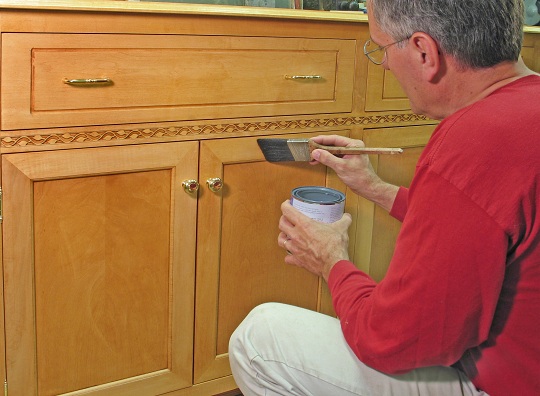
If you have teak furniture or a teak deck, you’ve probably noticed that after years of exposure to the elements, its yellowish-brown color has faded to grey. Moreover, the wood surface might be scratched and stained. If you want to restore its appearance and natural elegance, it might be a good idea to refinish it.

Here are some tips on what you need to do when refinishing teak wood.

 What You Need:

– Teak oil

– Lacquer thinner

– Sandpaper or a vibrating sander

– Chemical stripper for teak wood

– Soft cloths

– Protective gloves

Steps to Follow When Refinishing Teak Wood

1. Use protective equipment, and work in a ventilated space, preferably outdoors.

2. Clean the wood with a soft cloth to remove dust, and polish the surface of your teak furniture or flooring.

3. Take the chemical stripper and apply it to remove the existing finish. Wait for about thirty minutes.

4. Remove the remaining chemical stripper from the wood and apply lacquer thinner evenly over the entire surface. When applying products designed for teak wood, such as chemical stripper and lacquer, follow the instructions on the label closely.

5. Use a circular sander to sand the wood or sandpaper if you prefer. The circular sander will make your job much easier, and you’ll finish sanding your teak wood in a shorter time.

6. Now, it’s time to apply the new finish. You can restore the color of your teak furniture or flooring with an oil-based stain. If color is not your top priority, and you just want to give your teak wood a fresh look, you can forget about staining and leave it as it is.

In time, due to exposure to the sun, teak will regain a grey patina. It’s up to you to keep it that way or restore its original color from time to time.

Want to Leave Refinishing to the Professionals?

Not sure about refinishing your teak furniture or flooring yourself? TalkLocal can connect you with experienced local professionals in minutes, for free!

Flat Roof Membrane Installation Made Easy

Tuesday, December 17th, 2013

Flat Roof Membrane Installation Made Easy - Roofers

One of the problems with having a flat roof is preventing water and snow from pooling on the roof. Some install pipes or use tar paper and gravel to make a flat roof watertight. By installing a flat roof membrane made of different compounds, including synthetic rubber, water can be directed to flow off the roof.

The membrane is UV-resistant, and it’s easy to spot leaks. Here’s a quick guide on how to install a flat roof membrane:

1. Prepare the Roof                      

The roof must be clean in order for the flat roof membrane to adhere well. Usually, these membranes are installed on top of roof shingles. Make sure you use a cleaner that is suitable for the type of shingle on your roof.

However, if you are installing a flat roof membrane before roof shingles have been installed, use a solution of water mixed with a little oil-free liquid soap to clean the roof.  Allow the roof to dry before installing the membrane.

2. Make Sure the Membrane Fits

Measure the dimensions of your roof, and trim the flat roof membrane to the required size. Trimming is important to ensure a correct fit, not too long or short. Once the membrane is trimmed, spread it out on the roof and move it about until it fits properly. Make any necessary adjustments.

3. Install the Membrane

Now, you’re ready to attach the membrane. Open the bonding adhesive and mix very well before using. Starting in one section, remove the membrane from the roof.

Using a paintbrush, apply the adhesive onto the roof and then onto the back of the membrane. Be sure not to use too much adhesive around the edges to avoid messy sides when the membrane is attached.

Press down the membrane over the roof. Remove air bubbles by running a roller brush over a section. Continue to the next section, and so on, until the entire flat roof membrane is attached.

4. Final Steps

Finish up by cleaning the seams of the flat roof membrane with soapy water (same solution as in Step 1). Then, put seam tape along the seams. Leave the roof alone for several hours to let it cure.

Need Roofing Help?

Installing a flat roof membrane requires a lot of elbow grease, but the steps above should help you get the job done. Most homeowners, however, choose to hire a professional to take care of the installation. TalkLocal offers a free service to help you find the right service professional. Contact us now to find a qualified roofer in your area.

Used Snow Removal Equipment

Monday, December 16th, 2013

Used Snow Removal Equipment - Snow Removal

People who want to save money and put their DIY skills on full display often choose to remove snow from their properties on their own. Of course, this decision enables them to save anywhere from $30 to a few hundreds of dollars, depending on the total surface that requires a timely snow removal process.

However, used snow removal equipment can pose huge safety risks, especially when they are used by people who aren’t really up to this challenge.

Snow Shoveling Can Put Your Life on the Line

At the beginning of each cold season, doctors advise people with a wide range of health problems, including elevated blood pressure, heart diseases, and elevated cholesterol levels, to rely on professional snow removal services, rather than trying to shovel snow on their own.

Recent studies indicate that more than 1,600 annual premature deaths are associated with heart failure triggered by the labor-intensive snow shoveling process.

Snow Blowers Shouldn’t Be Considered a Risk-free Option

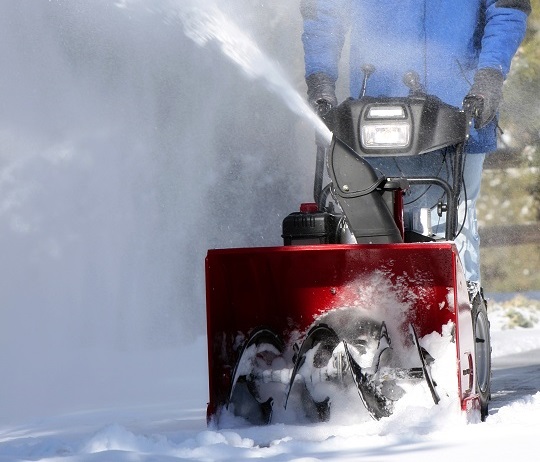
People who want to save time, money, and effort during winter by avoiding the tiresome chore of shoveling snow buildups, often choose to purchase or rent a snow blower. The question is this: can this type of used snow removal equipment actually represent a major safety threat?

According to a report issued by the Consumer Product Safety Commission (CPSC), more than 6,000 individuals were injured after utilizing these snow removal machines in 2009 alone. These injuries include hand and finger traumas, triggered by the sharp blades that collect the snow.

Furthermore, people who still use older corded models of snow blowers risk electrocution. At the same time, a snow blower running on gas could very well make you deaf, especially if you utilize them regularly. In this case, the safest option at hand seems to be a rechargeable snow blower, running on a powerful lithium-ion battery.

Ask an Expert

Used snow removal equipment may be a bargain, but it could also expose you to a long list of major risks. To avoid any kind of threats and eliminate snow buildups the easy way, count on professional snow removal services. Find the best snow removal companies in your area with TalkLocal, your direct connection to the best professionals in your area.

Carpet Dry Cleaning

Monday, December 16th, 2013

Carpet Dry Cleaning - Carpet Cleaners

Every once in a while, you have to clean your delicate carpets thoroughly to remove difficult stains, eliminate unpleasant odors, and minimize health threats. But how could you actually identify and embrace the most suitable carpet cleaning method without consulting an expert? Could carpet dry cleaning be right for you?

The Benefits of Carpet Dry Cleaning

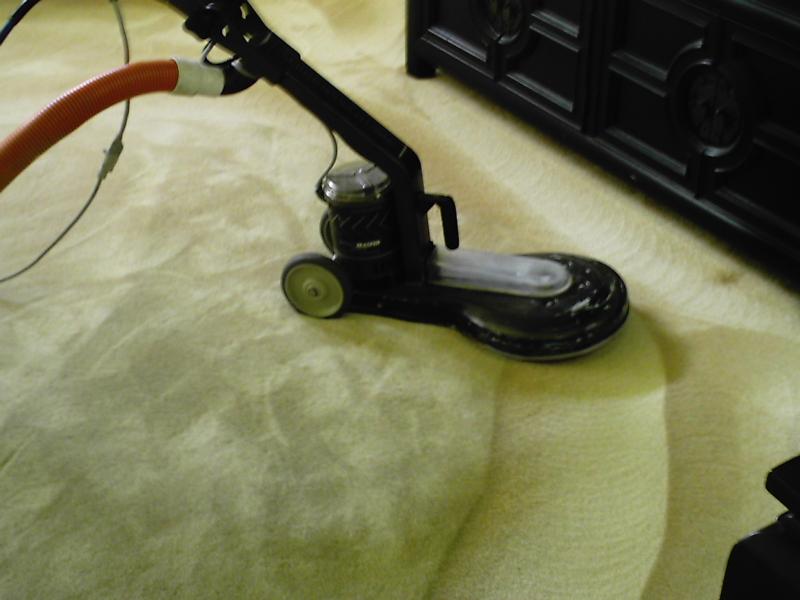
Carpet dry cleaning is a fast, convenient method to clean your carpets and keep them in excellent condition for many more years to come. This risk-free cleaning process has a long list of benefits, including the following.

Permanent, Rapid Stain Removal– Some cleaning methods just mask some of the most stubborn stains and never manage to eliminate them in an effective manner. On the other hand, carpet dry cleaning services ensure permanent, trouble-free stain removal.

Zero Health Risks– Since it does not employ the usage of dangerous chemical compounds, carpet dry cleaning does not pose any health risks.

An Organic, Time-Effective Method to Clean Carpets– Carpet dry cleaning allows homeowners to profit from immediate results. In other words, they can step on the carpet as soon as the cleaning process comes to an end.

No Detergent Residue- Detergent residue attracts dirt particles like a magnet and compromises all your cleaning efforts. Furthermore, carpet dry cleaning does not involve the usage of liquid detergents; therefore, those who rely on this method don’t have to waste any money on repetitive carpet cleaning cycles.

No Wet Carpets- Last, but not least, wet carpets can lead to an extensive mold contamination. The dry cleaning process eliminates this risk, while purifying and beautifying your carpets in record time.

Contact an Expert

Don’t want to scrub and freshen up your carpets on your own? If so, count on the very best carpet dry cleaning services provided by a local company. Find the best ones in your area with TalkLocal, a free service that connects you with the best professionals in your area in just minutes.

7 Tips Heating Wood Stoves

Monday, December 16th, 2013

7 Tips Heating Wood Stoves - Heating and Cooling

When you burn wood efficiently, you will be reducing pollution and health risks while enjoying a warmer home for less the cost. Here are 7 tips heating wood stoves to maximize efficiency:

Un-split wood will dry very slowly, so split wood works best as firewood. Don’t stack firewood tightly, so air can circulate and dry the wood faster. Split firewood into smaller pieces with a diameter of about 4 to 6 inches. Smaller pieces of split firewood will burn more efficiently, as more of its surface area contacts the flame. Use these pieces to start your fires, and then use larger firewood when the fire is already built.

Burning seasoned firewood generates more heat energy, unlike unseasoned firewood, which also emits more smoke and adds to the dangerous buildup of creosote in chimneys.

3. Don’t burn fuel that is not meant for your stove.

If you have a wood stove, burn wood and only wood in it. However, never burn treated or painted wood in your wood stove. You also shouldn’t use your wood stove to burn trash or household garbage. Doing so will release harmful chemicals into the air. You should also never burn coal or any other fuel in your stove that it’s not designed to handle, because it can damage the stove.

Your fire should be getting sufficient air so that it will burn clean and hot. When your wood stove is burning properly, it will burn hotter, more efficiently, and produce less smoke. Inspect the stove’s air intake to make sure no spider webs or dust buildup is blocking airflow. Brush the screen clean if the stove has a through-floor air intake.

Avoid putting too much firewood in the stove so as not to restrict air flow, which is necessary for good combustion. Instead of overloading the stove, simply refuel more frequently with smaller batches.

6. Ensure your wood stove is the proper size.

This is one of the most important of these 7 tips on heating a wood stove. A properly sized stove will burn efficiently even during the coldest weather. To ensure that you choose the right size for your stove, determine the size of the area to be heated in square feet and the amount of surrounding insulation to be heated. Bring these numbers along to a dealer.

7. Inspect the wood stove

Schedule a yearly or half-yearly inspection of the stove and chimney. Check for warping, gaps in the baffle, and creosote buildup.

Need Professional Assistance?

If you want to learn more about heating wood stoves or your unit needs some repairs or maintenance, TalkLocal can save you time in searching for qualified heating professionals in your area. We’ll connect you with the service you need fast and free of charge!

How to Use Body Weight Exercises for Gymnasts to Become More Fit

Monday, December 16th, 2013

How to Use Body Weight Exercises for Gymnasts - Gyms and Fitness

Body weight exercises are often more effective than weightlifting if you want to build muscle, improve your strength, and become more fit. Instead of lifting weights, you can use your own body weight to attain your fitness goals.

Gymnasts are great at using body weight exercises to build muscle and strength. If you want to look like a gymnast and make the most of your body weight exercises, you need to make sure you adopt a gymnast’s approach.

What Is the Key Aspect of a Gymnast’s Approach to Body Weight Exercises?

Leverage and Muscle Contraction

To increase their performance, gymnasts focus on leverage. They change the leverage of their exercises periodically, making them more difficult.

Gymnasts believe that the most important thing when exercising is muscular contraction. By working out more, at an increasingly faster pace, you are likely to maximize muscle contraction. Gymnasts’ amazing strength and much admired physique results from consistently applying this principle in their body weight exercises. Unlike other forms of exercise, body weight exercises for gymnasts require full body contraction. In time, muscles become stronger, and resistance increases.

Are Body Weight Exercises for Gymnasts Recommended for Fitness Enthusiasts?

Some of the body weight exercises for gymnasts may be daunting, requiring skill and preparation before practicing them. However, if you are a fitness enthusiast, you can practice most kinds of body weight exercises for gymnasts on your own. Provided you do it right. Besides strength, tone, and muscle, body weight exercises develop balance, agility, and coordination.

How Can Body Weight Exercises Build You That Incredible Gymnast’s Physique?

Gymnasts not only look great, but they also move with a characteristic grace that people who lift weights or do bodybuilding often lack. When done correctly and consistently, body weight exercises will help you develop a gymnast’s envied physique and impressive athletic strength.

Need Professional Help?

If you’re looking for someone to introduce you to body weight exercises, TalkLocal can put you in touch with a professional trainer, fast and for free.

Oral Surgery Insurance

Monday, December 16th, 2013

Oral Surgery Insurance - Dentists

Health insurance coverage varies significantly from plan to plan. When it comes to oral surgery, some procedures may be covered, while others won’t. Here are some general guidelines to help you get an idea about which oral surgery procedures are covered and which aren’t.

Medical Insurance and Oral Surgery Insurance

Medical insurance generally covers oral surgery procedures, which maintain your health. These may include procedures for facial trauma resulting from accidents and injuries, jaw disorders, or facial deformity correction. Specific dental procedures aren’t usually covered by medical insurance. However, policies may vary. There are distinct dental insurance plans, which offer partial coverage for dental procedures.

What Oral Surgery Procedures Are Covered by Dental Insurance?

Your dental insurance may cover procedures such as fillings, root canals, crowns, or bridges, but only partially. Generally, full coverage is offered for routine checkups, such as cleaning or preventative care. Wisdom teeth extraction may also be covered by dental insurance, at least part of the cost.

Are Cosmetic Procedures Covered by Dental Insurance?

The basic principle for insurance coverage is that the surgical procedure is supposed to make you healthier. Procedures which are considered to be of a cosmetic nature, are not typically covered by dental insurance.

Dental implants, gum grafts, tooth whitening, or veneers, for instance, are regarded as cosmetic procedures, and are not usually covered by insurance. However, there are dental plans, which offer full or partial coverage for some cosmetic procedures, such as braces.

To find out exactly what to expect about the costs of your oral surgery, it’s best to talk to your dentist. Even though many surgical procedures may not be fully covered by your medical insurance, you can discuss your options with your oral surgeon.

Looking for a Dentist or Oral Surgeon?

TalkLocal can instantly put you in touch with experienced professionals in your area who can answer all your questions about oral surgical procedures and dental insurance coverage.