The Ultimate Guide to Hot Tub Chemicals

Monday, December 9th, 2013

The Ultimate Guide to Hot Tub Chemicals - Handyman

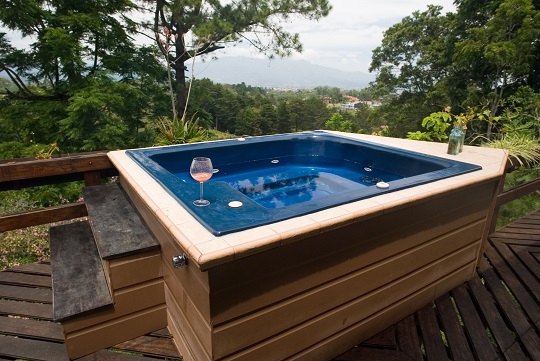
As you sit in your hot tub, letting go of the stress that has accumulated over the day, you notice particles of dirt starting to float above the water. You think about giving your hot tub or spa a much needed break. The first thing that comes to your mind is reading about the chemicals and the maintenance tips on keeping the spa or hot tub clean. This is a guide that can help you master spa maintenance.

Everything You Need to Know About Spa Chemicals

If you wish to make the most of your spa or hot tub, you need to be very particular about its maintenance and cleanliness. Spa or hot tub chemicals and filters are the two most important contributors in the health of a spa.

There are innumerable types of spa chemicals available on the market today. You need to understand that the functions of the spa chemical are linked to the sanitation and sparkle of the hot tub or spa. In order to maintain the spa or hot tub condition,s the chemical balance of the water inside these vessels should be checked every week.

Even though the chemicals are required for sanitizing the water, too much off the sanitizing chemical inside the water can make your skin feel itchy and also cause rashes. Therefore, while using these chemicals,you need to ensure that the ratio of the chemicals that you use is per the requirement of the capacity of the water in the spa.

Two of the most commonly used spa or hot tub chemical sanitizers are chlorine and bromine. While both are equally good in cleaning up the water, many people prefer bromine because it has a neutral odor. However, chlorine gives out a very unpleasant odor when used to clean spa or hot tub water.

Sanitizing chemicals for your hot tub or spa are available in different forms: granules, tablets, and liquids.

Spa Boss Chemicals and Their Use

Apart from sanitizing chemicals, you also require spa boss chemicals for the maintenance of your spas and filters. There are also other types of chemicals including pH balancers and test strips. Spa boss chemicals, however, are an important type that helps to balance the pH levels and alkaline levels of the water in the hot tub or spa.

Need Spa or Hot Tub Help?

Using the right spa chemicals for your hot tub or spa is essential for the overall health of your spa or hot tub. Be sure that you use the user manual for understanding the chemical requirement of your hot tub or spa. If you are preparing your hot tub or spa for a cleansing session, check out some tips from Master Spa. You can also win a free Chemicals and Filters supply by entering the giveaway contest being presently run.

If you want to find a hot tub professional in your area, just use TalkLocal. We’ll connect you with up to three professionals in your area in just minutes.

Rubber Flat Roof Installation Guide

Monday, December 9th, 2013

Rubber Flat Roof Installation Guide - Roofers

Flat roofs or roofs with very minimal slope are susceptible to leakage because of their design. Rolled asphalt roofing material is commonly used to protect against leaks, but when this is not enough, the best solution is likely to be a rubber flat roof.

Also known as ethylene propylene diene monomer, or EPDM for short, rubber roofing is easy for most do-it-yourself enthusiasts to install. You only need a few tools and a special liquid adhesive to attach the material.

1. Prep Work

You will need to strip the deck of any existing roofing material, including all flashings around the vent pipes. Sweep the bare roof deck, clean with soapy water, and leave to dry completely.

You also want the deck to be in good condition before starting any work. However, if there is some minor deterioration or the surface is not entirely flat, you can layer the deck with high-density fiberboard secured with fasteners for a smooth surface.

2. Laying Out the Material

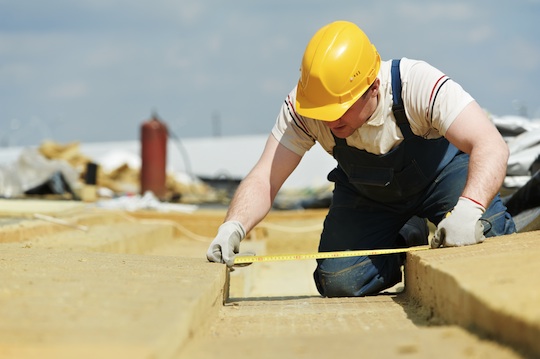
EPDM rubber flat roof material comes in rolls of two sizes (10 x 20 ft. or 20 x 100 ft.), so it’s easy to measure and plan how to its installation over your deck.

First, lay out the sheets over the deck. Carefully cut out the parts where there are pipes or other protrusions so the sheets lay flat. Spread them so they overlap each other by 3 inches.

If your deck joins with a vertical wall, the sheet should cover the wall up to 12 inches high to ensure good adhesion. You will need to seal this later with a metal termination bar.

3. Adhering the Sheet to the Roof

Install the membrane sheet by sheet. Roll one sheet back on itself and apply liquid adhesive onto the exposed deck and onto the back of the sheet using a paint roller. Be careful not to apply adhesive onto the overlapping sheet areas.

Allow the glue to partially cure for about 20 minutes, then carefully roll back the rubber flat roof sheet onto the deck, avoiding wrinkles.

If there are air bubbles, use a stiff brush to work them out, starting from the center of the sheet. Repeat this process to glue all sheets to the deck.

4. Finishing Up

Seal the overlapping sheets by applying soft seaming tape along the seams. Trim the membrane off the edges of the roof. Install the correct boot flashings, adding termination bars, if necessary.

Need Rubber Roof Installation?

When installing rubber flat roof sheets, be sure to follow the manufacturer’s instructions, which may differ from the steps described above. If you need professional help, use TalkLocal’s free service to get in touch with a reliable roofer today!

How to Find Cheap Oral Surgeons

Monday, December 9th, 2013

How to Find Cheap Oral Surgeons - Dentists

Going to the dentist regularly is essential for your oral health. But what happens when you need an oral surgical procedure? If your dentist also happens to be a trained oral surgeon, you need to look no further. However, if he or she specializes only in general dentistry, you need to find an experienced oral surgeon.

What Does an Oral Surgeon Do?

Oral surgeons, or maxillofacial surgeons, are dentists who specialize not only in general dentistry, but also in dental surgeries. Oral surgeons treat various dental diseases, as well as conditions of the mouth, gums, or jaw.

What Surgeries Does an Oral Surgeon Perform?

An oral surgeon can perform a wide range of oral surgeries, including:

Wisdom Teeth Removal

Many people experience problems with their wisdom teeth. They sometimes grow sideways, affecting neighboring teeth, and can cause serious problems such as abscesses if left untreated. In this case, removal is a recommended preventative measure.

Dental Implants

Dental implants consist in inserting a titanium screw into the jawbone to replace a missing tooth. This is a surgical procedure, which requires special skills.

TMJ Syndrome

This condition affects the temporomandibular joint in your jaw, and can cause headaches and pain in the neck. An oral surgeon can provide appropriate treatment for TMJ syndrome.

Tumor or Cyst Removal

Oral surgeons are also trained to remove possible tumors or cysts in the mouth, gum, or jaw, which might be caused by a disease or an accident.

Reconstructive Surgery

People suffering facial traumas have reconstructive surgery to recover after an accident or injury. Oral surgeons can reconstruct your mouth, either entirely or partially, with the help of dental implants, bridges, crowns, and inlays, among others.

How Can You Find Cheap Oral Surgeons?

To find the best oral surgeon for your needs, contact TalkLocal today. We’ll put you in touch with up to three reputable oral surgeons in your area, so that you can make your choice.

What Is the Cost of a Motherboard?

Monday, December 9th, 2013

What Is the Cost of a Motherboard? - Computer Repair

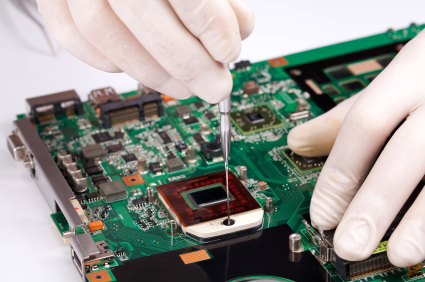
All computers, including laptops, have a motherboard. It’s the fundamental hardware component in a computer, which ensures the connection between all the other components and peripherals. The cost of a motherboard depends on the technology used, as well as on design and manufacturer.

If you want to buy a new motherboard or replace a broken one, there are several things to consider. The two major factors that will probably influence your purchasing decision are the quality and cost of a motherboard. They are directly related: a cheaper motherboard is weaker and likely not to last long, while a more expensive motherboard will perform better and last longer. Before you make a choice, consider your needs and budget.

What Is a Motherboard?

Also called a main board, a motherboard is the central component of a computer. This printed circuit board contains many fundamental parts of your system, while at the same time ensuring connection with your computer peripherals. All other components, including the processor, memory, hard disk, video, sound, CD, and DVD, depend on the motherboard.

What Is the Cost of a Motherboard?

The cost of a motherboard may vary from manufacturer to manufacturer, depending on the components used, the design, and the technology employed. The manufacture of a motherboard is a complex process, which starts with the design. When designing a motherboard, the manufacturer takes into account the characteristics of the central processing unit (CPU). Low-cost motherboards don’t use the latest technology. If you want to buy a cutting-edge motherboard, you must expect to pay more.

Need Help with Your Computer?

Buying a new motherboard or replacing it is a serious job. If you’re not sure about what kind of motherboard you need for your computer ,or if you’re looking for help to install your newly purchased motherboard, contact TalkLocal today. We’ll connect you for free with local professionals who can do it for you.

How to Replace Siding

Friday, December 6th, 2013

How to Replace Siding - Roofers

Today, homeowners have different options for their siding including wood, vinyl, aluminum, fiber-cement boards, and composite boards. Whichever type of siding you have, its purpose is the same – to keep out external elements and moisture from entering your home. By paying attention to the condition of your siding and knowing when to replace siding, you can make sure it will continue to protect your house for longer.

Should You Replace the House Siding?

Go around your house and inspect your siding, looking for the following signs to know if you do need to replace siding:

– Warped, wavy, rotting, or caving in sections

– Popping out nails, which may indicate that the siding has misaligned probably by some movement or material expansion/contraction.

– Shrinking, cracking, or worn caulk can cause the siding to shift and become lopsided. When this happens, the siding will not be able to do its job properly. The siding will appear seamless when the caulk is applied properly or is still in good condition.

– Fading paint. Note: If you have vinyl siding, check your warranty before painting the siding over to make sure that repainting or any alteration will not void the warranty.

– Discolored or streaked areas caused by water stains.

– Rodents or pests have taken up residence in the space between the siding and the interior wall.

Replacing Aluminum Siding

1. Purchase siding replacement. Go to your local hardware store and buy the siding material that matches with what you have on your house. It’s okay if it’s a different color, just as long as the profile is the same.

2. Remove the damaged area. Use a sharp utility knife to score around the section to be replaced. Use a hammer nail puller to help you remove the entire section.

3. Replace the siding. Take the replacement piece and remove the top part of it that is usually under the lap. Simply install the new siding into place and nail it down to attach permanently.

4. Seal the area. Apply a little bit of sealant under the joint of the lap. Wipe off any excess caulk.

5. Finish the job. Sand the section using 120-grit paper. Paint with a suitable paint product. To ensure a paint color match, take the old siding to your local paint store and ask for the matching color paint.

Expert Siding Replacement

To replace siding the easy and convenient way, simply leave the job to an experienced contractor. TalkLocal offers a free service to match homeowners with up to three qualified service professionals. Let us help you today!

Eco Electric Heating System Guide

Friday, December 6th, 2013

Eco Electric Heating System Guide - Heating and Cooling

With concerns over climate change and dwindling fossil fuel supplies, people are being forced to rethink the way things are done. This includes methods for home heating.

Today, architects and builders are designing and constructing homes with excellent insulation and less energy consumption in mind. Eco electric heating systems are perfectly geared towards the global need for cleaner forms of energy.

Eco-Friendly Technology

One revolutionary eco electric heating system is underfloor heating, which uses radiant heat to slowly warm a floor surface. It is ecologically friendly and economical, particularly if the eco electric heating system uses renewable eco-friendly fuel sources such as hydropower and wind. The idea behind underfloor heating systems has been around for centuries, but developments in this technology have produced a system that is designed to warm homes without contributing to environmental deterioration.

Reduces Energy Waste

Underfloor heating is an excellent eco electric heating system, because it offers the advantage of local heating, allowing individual room temperatures to be adjusted according to the daily need for heating throughout the seasons. Because warmth is focused exactly where and when it is needed, energy is not wasted.

Heat Retention

Another feature of underfloor heating systems is heat retention, which is crucial to energy efficiency. Eco electric heating can retain heat for a long time after the power supply has been turned off. It may take some time to heat up, but it also takes longer to lose heat, so you can remain warm for some time after turning off the power.

This is possible because of the insulation boards that are embedded on the subfloor below the heating system. With the boards reflecting heat upwards, there is no lost heat, meaning reduced running times and energy use.

Consult with a Heating Professional

By choosing eco electric heating for your home, you’re doing your bit to slow the change in our climate. A heating professional can help you understand more about underfloor heating and advise you on its suitability for your home. TalkLocal is a free service that can connect you quickly with reputable professionals in your area. Try Seva Call now!

Why Tread in Snow Tires Matters

Friday, December 6th, 2013

Why Tread in Snow Tires Matters - Snow Removal

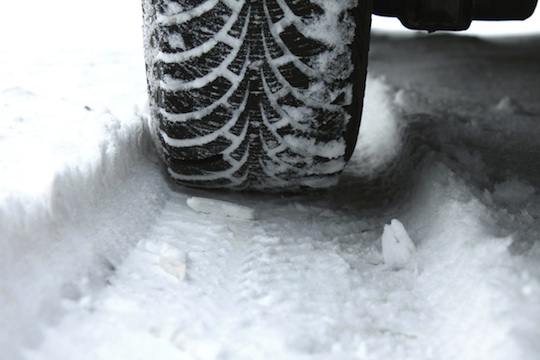
Snow tires, or winter tires, are specially designed for snow and ice. Their tread patterns are different from those of all-season tires or regular tires. The tread in snow tires allows them to dig down deeper into snow and bite into ice. Moreover, the rubber used in manufacturing them is softer, which makes it more flexible during harsh weather conditions.

This allows winter tires to adjust more easily to the road. Unlike snow tires, regular tires may become rigid and brittle when it’s cold.

What Are the Main Features of Good Snow Tires?

The performance of snow tires during winter depends on:

– Tread design

– Tread rubber compound

– Tread depth

What Is the Right Tread Depth?

Generally, tires need to be replaced when their tread depth reaches 2/32 inch. In the U.S., tires should have visible tread wear indicator bars, which show when the limit has been reached. Specialists advise drivers to change their tires before they reach the 2/32 inch limit.

With winter approaching, if the tread depth of your tires has reached 6/32 inch, it’s recommended to replace your tires. Worn out tire treads influence braking and traction. Shallow treads make braking more difficult, which means that you will need a longer interval to stop your car. Deeper tire treads can compress snow, making traction much easier.

Snow Tires Wear Out Faster

Another important aspect to keep in mind is the fact that snow tires may wear out faster than all seasons or regular tires. You are going to use your snow tires for about three months per year, probably on a daily basis. Depending on snow tire quality and the wear and tear they are subjected to, your snow tires may last for about two to five seasons.

To increase their life span, make sure you replace them in spring with regular tires.

Need Help with Your Car?

Contact TalkLocal and we’ll connect you with the snow removal and tire experts in your area, in just minutes, and for free.

When to Schedule Auto Service Parts Replacement

Friday, December 6th, 2013

How to Find a Trustworthy Auto Mechanic Auto Repair

Being a responsible car owner requires more than just regular oil changes. With so many gadgets available today to remind yourself of important things, there’s really no reason to forget about proper car maintenance, including auto service parts replacement. Here are some recommendations to keep your car in excellent condition.

Air filter: A car engine depends on good airflow to run properly, and that air needs to be free of impurities, a job which the air filter handles. Replace as needed, or at a one-year or 12,000-mile interval. Take note of manufacturer recommendations when replacing related parts.

Fuel filter: In a fuel-injected car, this part is on constant duty to prevent contaminants from clogging up injectors, so you will need to replace it eventually. However, this particular auto service parts replacement can be a complex job, so consider leaving it to a professional mechanic. Generally, replacement should be done at a two-year or 24,000-mile interval.

Spark plugs: Nowadays, spark plugs require less upkeep or service, thanks to technology developments in spark plug construction and cleaner-burning auto engines. However, spark plugs still need auto service parts replacement for good engine performance. Ideally, they should be replaced at mileage interval of 30,000 up to 100,000 miles.

Belts: One of the most needed auto service parts replacement for most cars on the road is belt replacement. You may need to replace the engine or timing belts if you see any sign of tears, misalignment, cracks, and pilling that lead to material loss and glazing due to extra friction. Engine belts should be replaced at a three-year or 36,000-mile interval, and timing belts every 60,000 up to 90,000-miles.

Battery: There’s no getting around replacing your car battery. You have to do this sooner or later. The important thing is to make sure to choose a battery replacement that matches the specs of your car manufacturer. Replace the battery as needed or every four to five years.

Tires: Inspect tires for wear at least once every month. Using a tread depth gauge is the best way to determine if replacement is necessary. Also, check tire inflation and pressure according to your owner’s manual. Generally, replacement should be done when the tire treads have reached their minimum safe depth, or at least every six years.

Brakes: Replacing the brake system is the most important auto service parts replacement no car owner should ever ignore. Check the level of your car’s brake fluid and change it every couple of years or every 24,000 miles. Pay attention to the condition of the brake pad (check the brake’s wear indicator) and make sure to have it replaced immediately if already worn down.

Not Ready to Replace Your Own Car Parts?                                  

Let a professional handle auto service parts replacement to ensure a safe and proper job. TalkLocal can connect you to a qualified technician within minutes. Try us now!

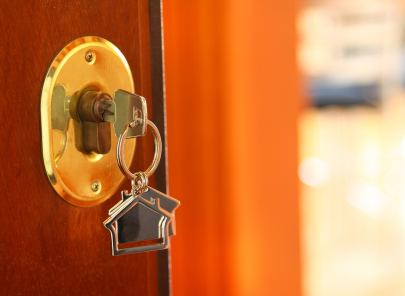
Front Door Won’t Unlock

Friday, December 6th, 2013

Front Door Won’t Unlock - Locksmiths

Not being able to get into your own house for one reason or another can be extremely frustrating. When your home becomes inaccessible because a lock won’t give in, you want to find a solution as quickly as possible. What can you do if your front door won’t unlock? You can look for a locksmith or you can try to fix the problem by yourself. Let’s see what options you have.

Causes and Solutions

1. Cause: Dirt Accumulation

One possible situation you may be confronted with is this: you try to open the door and the key simply sticks. All you have is a firmly fixed door and the key, which seems useless in your hands. First, you should make sure your lock is effectively lubricated. Dirt can build up over time and prevent your front door from being unlocked.

– Solution: Powdered Graphite

To solve the problem, you should apply powdered graphite. You can find powdered graphite in the form of aerosol spray. If you haven’t bought any for this purpose, you can use the powdered graphite from a simple pencil.

2. Cause: Cold Weather

Cold weather is another possible cause why your front door won’t unlock.

– Solution: Lighter

If the door lock is covered in ice, what you should do is remove all the ice from the exterior part of the lock first. Then you should try heating the lock using a lighter or a match.

3. Cause: Roughened key or edges

Sometimes keys become rougher and that is why they don’t function properly anymore.

– Solution: Nail file

In this case, you could try using a nail file to solve the problem. The nail file, which is that long thin piece of metal used for shaping nails, can shape your keys as well.

Need Help?

If you tried all the solutions above and none of them functioned, TalkLocal can help you get into contact with professional locksmiths who will address your problem and solve it in no time. Our service is prompt and free.

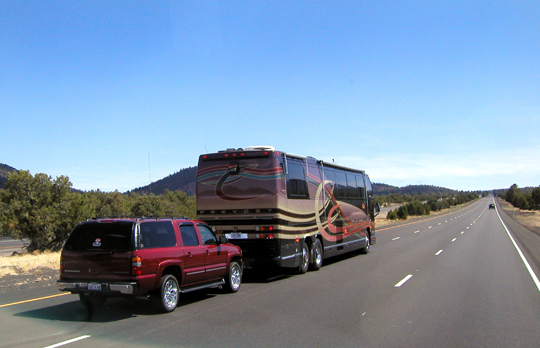
What You Need to Know about Towing Vehicle Behind RV

Thursday, December 5th, 2013

What You Need to Know about Towing Vehicle Behind RV - Towing

Recreational vehicles (RV), or motor homes, are great if you and your family are avid travelers and if you love camping and spending time outdoors. However, if you stop in one place for a few days or more, you might find it difficult to drive around for groceries or visit the surroundings in your RV.

In this case, having your car with you comes in handy as it gives you more mobility, especially after you’ve parked your RV and connected it to utility lines. It’s easier to navigate city traffic and find parking spots if you’re driving a small vehicle, instead of a heavy RV. It’s also a cost-effective alternative.

Nevertheless, there are some things you need to know before towing vehicle behind your RV. Here are some tips.

Dollies and trailers are a more expensive option than towing a vehicle behind an RV. Moreover, you need considerable space to store them both, at home and when camping. A car is easier to tow and more advantageous. Also called four-down towing, this a more affordable and comfortable option than using a trailer.

To tow your vehicle behind an RV, it needs to have manual transmission. Cars with electronic transmissions and front-wheel systems require more planning and caution when it comes to towing. Some cars with automatic transmissions are not suitable for flat towing. That’s because the moving parts of the car need to be lubricated while moving, and vehicles with automatic transmissions don’t allow lubrication unless the engine is running.

To avoid damage, it’s best to consult your vehicle owner’s manual to find out whether your car is suitable for towing behind RV or not. In addition, there are online lists, which tell you which vehicles are towable behind an RV.

Need help with your car or RV? Speak with a towing expert in your area to have your questions answered. TalkLocal can connect you with up to three professionals in just minutes to get you on the road in no time.