Best Snow Shoveling Techniques

Thursday, October 17th, 2013

Best Snow Shoveling Techniques - Snow Removal

Injuries related to snow removal are nothing to mess around with. Although getting your driveway clear so you can head to work is very important, keeping your spine in line and avoiding injuries is even more important.

Practicing the best snow shoveling techniques will help you avoid pain while being productive in your snow removal ventures.

Here are some of the best snow shoveling techniques you should consider:

Lighten your load: Don’t overwhelm yourself or your shovel. It might be tempting to try to scoop up a large section of snow at once so you can get done faster, but you are actually likely to hurt yourself doing that. Instead, lighten your load by filling it with smaller amounts of snow, which allows you to avoid straining yourself and move a little faster.

Don’t throw: When you scoop up a shovel-full of snow, you probably want to toss it to the side or over your shoulder. That’s actually not the best idea. Instead, you should walk to where you want to dump the snow and shake it off of your shovel there. This avoids unnecessary strain on your upper back, shoulders, and arms.

Stand properly: You don’t need to bend over and strain your spine in the process. Instead, you want to squat and use your legs. Keep your back straight, separate your knees, and squat to pick up the snow. Then, use your legs to raise yourself up with the snow on your shovel. Keep your arms close to your body to keep the weight centered. You don’t need to use your back.

These are some of the best snow shoveling techniques for a reason. They help you avoid some of the most common injuries tied in with snow removal.

Getting More Help

Sometimes, depending on the snowfall and the time of year, you may need professional assistance or a different type of snow removal method. If so, TalkLocal is a great resource. With one search, we will go find you companies and professionals that can help AND get you on the phone with them in a matter of minutes.

Benefits of Acupressure Massage

Wednesday, October 16th, 2013

Benefits of Acupressure Massage - Massage Therapy

Imagine that you’re finally relaxing in a peaceful, delightful environment, while two skilled hands are massaging your sore areas, eliminating tension and stiffness and allowing you to attain a much-needed state of complete relaxation. Now think about the fact that some of the most popular alternative therapies based on centuries-old practices, including the stimulation of patients’ acupressure points, offer long-term advantages that you should always take into consideration. If you are still not certain that you need to schedule an appointment for a massage therapy session right away, keep reading to discover some of the most remarkable benefits of acupressure massage.

Acupressure Massage Fights Numerous Neurological Disorders

Recent studies indicate that acupressure massage therapy conducted by skilled practitioners plays an important part in treating numerous types of neurological disorders, including epilepsy, partial paralysis, chronic headaches, multiple sclerosis, and vertigo. At the same time, this form of therapy allows partially disabled patients to recover smoothly, fighting limb stiffness in a highly effective manner. The best part is that the remarkable benefits of acupressure massage can be experienced by most people, as there are no restrictions and no risks associated with this popular alternative therapy.

Acupressure Massage Contributes to Adequate Child Development

Acupressure massage also helps kids sleep better, reduce stress levels, and fight constipation and chest colds. This form of therapy also prevents bed-wetting episodes, allowing the young ones to get a good night’s rest.

Acupressure Massage Alleviates Common Side Effects of Menopause, Pregnancy, and Post-Menstrual Trauma

Millions of women choose to discover the benefits of acupressure massage, especially when they’re dealing with one of the many side effects of pregnancy and menopause, including nausea, irritability, back pain, and mood swings. Believe it or not, all of these factors stopping countless women from getting out of their beds in the morning can be easily eliminated with just a few sessions of acupressure massage.

How to Find the Best Practitioner Specialized in Acupressure Massage

Finding and stimulating important acupressure points on your own can be very challenging, especially if you lack the experience and training required to do so. In this case, solve your problems by simply scheduling an appointment with one of the highly qualified practitioners who operate in your area. Find the most popular ones by consulting TalkLocal, your direct connection to the best professionals.

Vine Growing Vegetables

Wednesday, October 16th, 2013

Vine Growing Vegetables - Landscapers

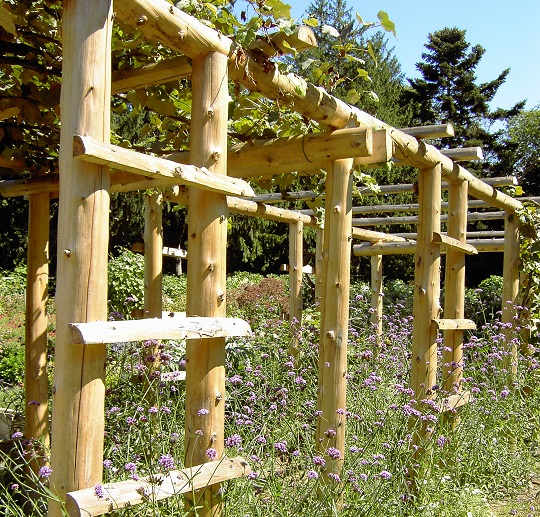
If you plan to turn your backyard into a spacious garden, you should know more than a thing or two about some of the most common vine growing vegetables that could be easily cultivated on your property. Keep reading to discover how to grow your own sweet potato vines, Malabar spinach, soybeans, Brussels sprouts, capers, and various other types of tasty, nutritious vegetables that grow on a vine.

Common Vine Growing Plants Suitable for Most Environments

If this is your first project of this kind, don’t focus your attention on exotic plants demanding extensive care. Instead, choose to cultivate some of the most common vine growing vegetables: sweet potatoes, soybeans, Malabar spinach, and a virtually endless list of other candidates. Some of these are considered vegetables by cooks, judging by their culinary purpose, but catalogued as fruits by botanists, like tomatoes, zucchinis, peas, beans, pumpkins, and so on.

These plants grow very long and can easily climb on top of a wide range of structures, including fences, tall walls, and special cages. Apart from offering you tasty, healthy, organic veggies on an annual basis, plants that grow on a vine can also beautify your property and give it a great personal touch.

Choosing the Best Vine Growing Plants for Your Garden

When it comes to choosing the very best vine growing vegetables for your outdoor space, start by evaluating your needs. What kind of vegetables do you usually put on your dinner table? Afterward, discuss your options with a landscaper and try to find out whether or not your favorite candidates are actually inspired picks. Ask questions related to soil and climate requirements for each type of plant.

Moreover, if you want to narrow down your search, dig a little deeper and try to find out useful information on flowering season, frost tolerance, watering and feeding specifications, size, color, uses, and common problems. For instance, you should know that sweet potato vines are great assets for any home, as they could easily cover a cracked, old, ugly wall and boost the curb appeal of your property.

Furthermore, if you adore simple salads, choose to cultivate Malabar spinach. You’d be surprised to discover that it actually tastes like a combination of pepper and citrus. In addition, remember that soybeans are often affected by zinc deficiency; this is why they should be treated with premium, kelp-based fertilizer.

All in all, if you benefit from accurate information, the best plant food and a set of basic gardening tools, you should be able to cultivate your very own vine growing vegetables in no time.

Ask an Expert

Identifying the best vine growing vegetables for your garden can be stressful and time-consuming, especially since you’d have to read and filter a large amount of information before making a final decision. Simplify the process by contacting a respectable landscaper operating in your area. Find the best one with TalkLocal, a free service that connects you with high-quality professionals in your area.

Toshiba TV Power Button Not Working

Wednesday, October 16th, 2013

Toshiba TV Power Button Not Working - TV Repair

What can you do when your TV set decides to go on strike and its power button suddenly stops working properly? In this context, you could choose to handle this problem on your own, by relying on instructional tutorials available online, or you could go in favor of a professional fix, ensured by a competent TV repair specialist.

Toshiba TV power button not working?

1. Assuming that you have enough time, patience, and experience to solve your problem on your own, start by unplugging your TV and turning it around on a clean, flat surface.

2. Gently remove its back cover and take a look inside.

3. You should be able to identify the power switch. The mechanism is quite simple: a fully functional button has to push a plastic plate linked to the power switch.

4. If and when the plate is broken, the whole system is compromised. In fact, this could be the main reason why your power button doesn’t function properly.

5. Fix the problem by placing a small amount of epoxy on the plastic clip and gluing this tiny piece to the switch.

6. Wait a few minutes, then put the cover back, turn on the TV, and evaluate the result of your DIY repair project.

Why Rely on Professional Services?

Toshiba TV power button not working? You have no reason to worry! This is a common problem experienced by numerous people who own Toshiba TV sets. You should know that first-class repair services, ensured by experienced technicians, could help you save a lot of time and money while eliminating those annoying power button issues that give you such a hard time.

Ask for Help

Not all people have what it takes to fix their TV sets on their own. If you can’t identify and address a wide range of technical problems that stop your television from working properly, it is highly recommended to contact a TV repair specialist who operates in your area. Spot the best ones by relying on TalkLocal, a free service introduced to help you meet dependable, hardworking professionals who live and work in your city.

Types of Wood for Cabinets

Wednesday, October 16th, 2013

Types of Wood for Cabinets - Handyman

Modern, tasteful, durable wood cabinets can beautify even the dullest indoor spaces, adding value to your house and reflecting your unique sense of style. These days, one could easily find various types of wood for cabinets, displaying different features and different price tags. Which type is best for you? Decide based on your aesthetic requirements, real necessities, demands, and financial possibilities.

Identifying the Most Appealing Types of Wood for Cabinets

With so many appealing alternatives, how could you possibly make an inspired choice? Discuss your option with a handyman and analyze different color and grain variations. Red oak, red birch, maple, walnut, alder, and cherry are only a few options worth considering if you want to take pride in durable, high-quality, rustic, or sophisticated cabinets giving a personal touch to your room.

Designing the Perfect Cabinets for Your Home

If you want to design your very own cabinets, make sure you opt for those particular types of wood that are inexpensive, widely accessible, extremely strong, and durable. If you love golden tones, don’t hesitate to go in favor of a cabinet made from white oak.

Conversely, red oak could be the best kind of wood for your project, due to its affordability and remarkable versatility. It is available in different finishes and styles.

Cherry is ideal for elegant, traditional cabinets. This wood is well liked for its beautiful reddish-brown color, and it is usually stained to obtain a uniform color.

Pine cabinets are the perfect option for you if you adore the discreet shades of pale yellow of this type of wood and its numerous knots, making it perfect for rustic decors.

Count on an Expert Opinion

Undoubtedly, finding the most amazing types of wood for cabinets can be confusing and time-consuming. Narrow your search by counting on expert advice from an experienced local handyman. Find the best ones by relying on TalkLocal, a free service launched to make finding the right professional quick and easy.

Types Of Snow Plows

Wednesday, October 16th, 2013

Types Of Snow Plows - Snow Removal

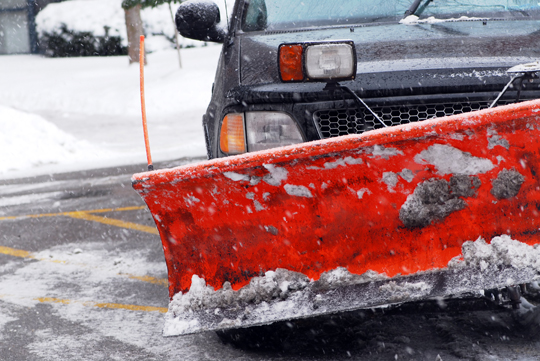
Snow can rear its ugly head when you least expect it. When it does, that’s not the best time to start your research. Before the fluffy white stuff falls, why not take a minute to familiarize yourself with some basic facts about different types of snow plows? After all, some snow is too deep and thick for a snow plow. Consider the three distinct grades of snow plows, separated by the types of jobs they are best for:

Commercial snow plows: These are used for roadways, commercial parking lots, and large driveways. They require professional installation. Commercial plows are often hydraulic and electric, so you can control them from inside your vehicle.

Residential snow plows: Residential plows are smaller versions of the above. They are easier to install and less cumbersome overall , while still being effective on driveways and other big jobs.

All-terrain plows: All-terrain plows are smaller, lighter, and better for use on a variety of terrains. They are great for areas with occasional snow as they install and uninstall quickly.

Next, look at the three basic plow designs.

Straight plows form a solid line that looks very much like a manual snow shovel. Available in steel, aluminum, and polycarbonate, they are used to move snow away from buildings. V-plows have a tell-tale “V” shape and are best for tougher jobs like hard-packed snow, ice, or for making that first indentation into a snow bank.

Box plows are more like construction equipment that is also used for snow.  These plows use a kind of scoop to pick up the snow so it can be dumped elsewhere.

Finally, be aware of the functionality of the various types of snow plows.

Manual plows are popular because they are easy to put on and take off when the need arises.

Electric plows require permanent installation of certain parts on the vehicle. The trade-off is that electric plows are reliable and easy to operate fully from inside the cab.

Hydraulic plows are similar to electric, but run on hydraulics (a liquid version of pneumatics). Again, hydraulic plows require professional installation and leave their mark on your vehicle all year.

All Set For Winter?

With some awareness of the various types of snow plows, choosing one should be as easy as figuring out your needs. Consider the terrain, how much snow you expect, and whether or not you want to permanently modify your vehicle. If your head is spinning and you would just like to call someone to plow snow for you, hop on TalkLocal. We make snow removal experts a few mouse clicks away. You do not have to search endlessly to find one in your area.

Troubleshooting an Unrecognized Mouse

Tuesday, October 15th, 2013

Troubleshooting an Unrecognized Mouse - Computer Repair

Hardware elements that do not function properly are a real source of frustration for most people who use a computer on a daily basis. While some problems are easy to detect and solve, others are much more complex and require the skills and the in-depth knowledge of a computer repair expert. When it comes to troubleshooting an unrecognized mouse, you don’t necessarily need professional services to overcome this technical obstacle. Just follow a few simple steps to be able to use a fully functional mouse in no time.

Identifying the Nature of Your Problem

What kind of problem are you dealing with? Is your pointer moving erratically in different areas of your computer screen? Is the pointer unresponsive when you touch the mouse and move it in different directions? Does your pointing device stop working all of a sudden? Identify the real cause of your problem; it could be your mouse, but it could always be your USB port.

Different Methods to Troubleshoot an Unrecognized Mouse

Connect your device to a different USB port and see if it works. If it doesn’t, connect different USB devices to the same port. If other USB devices function flawlessly, then your mouse is definitely the one and only problem.

Start by replacing its old batteries and remember to resync your device after installing new batteries. If the device still doesn’t work, try to test it on a different computer. If the mouse is still not recognized in the new environment, then undoubtedly, the device is defective and should be replaced with a newer one.

Ask an Expert

Troubleshooting an unrecognized mouse is not a complicated task; however, numerous people prefer to contact a computer repair expert when they are forced to deal with such an unpleasant, stressful problem. When it comes to software and hardware issues, it is always easier to rely on expert advice and professional services. Rest at ease, knowing that you could always find the very best computer repair experts in your area with just a little bit of help from TalkLocal, your free connection to local professionals.

How to Inspect Roof Hail Damage

Tuesday, October 15th, 2013

How to Inspect Roof Hail Damage - Roofers

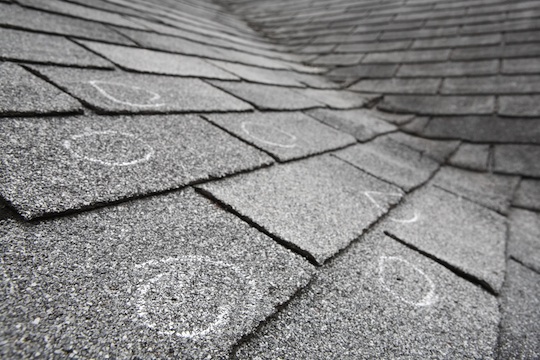
To inspect roof hail damage is sometimes easy for homeowners, but they sometimes need professionals. It is easy enough if the damage is obvious. Hail can produce damage that is visible to the naked eye. Hail produces great, circular holes that can damage shingles and other parts of the roof that are susceptible to damage. As with all things, prevention is better than cure, so preventing damage from hail, like preventing damage from hurricanes, is better than trying to fix damage after the fact.

Check Your Windows and Gutters

Tears on your window screens and gutters are the first signs of damages from hail. Check at ground level for dents and scratches. This will depend on the direction and the size of the hail. Just because your gutters look fine doesn’t mean that your roof is okay. Sometimes, gutters withstand hail better because the material is stronger.

Examine Your Roof

Get a ladder and go on top of your roof. Inspect the softer materials of your roof such as the vents, stacks, and roof jacks. This is because hail will damage these materials more easily than it will damage shingles.

Inspect the Shingles

Look for circular dents and impacts on your shingles. You should also check for circular dents and impacts on the granules of your roof. If you find that there are numerous hits of hail on an area of 10’ x 10’ on your roof, then you should replace your roof entirely.

Roof shingles that are damaged this much need to be replaced because they are susceptible to leaking and thus are not safe for use anymore. Contact a professional for more help regarding this matter, because it won’t be easy for you to replace the whole roof by yourself.

In Need of Professional Help?

TalkLocal can get you the help that you need. Give us a call today and let us connect you with up to three professionals in your area in just minutes.

Tricks of A Burglar’s Trade – The Inside Story

Tuesday, October 15th, 2013

Tricks of A Burglar’s Trade – The Inside Story - Locksmiths

How do you get into the mindset of a thief? The answer to that question will help you protect your property more effectively and keep your home safer. So we took to the streets to obtain some interesting insights from some “industry professionals” – actual burglars!

It wasn’t easy, but we gathered together the most consistent answers from various sources to get to know how most burglars think.

We’re going to share the tricks of a burglar’s trade with you, from the perspective of a professional! Meet “Pat”, your friendly neighborhood burglar.

So, what am I looking for before I decide to break into your property? How do I break in, and what am I looking for once I get inside?

What I Look For

First, I get the low-down on the neighborhood before choosing a property. I work between 8am and 11am, sometimes dressed as a cable or phone repair man, so I can avoid looking suspicious.

> High fences protecting your privacy – these keep nosy neighbors away so I can easily get on with my work.

> High vegetation like trees or shrubbery are perfect for hiding me. Even better if the trees and shrubs cover your windows, so nobody sees me breaking in.

> Toys and other equipment in the yard – If I see kids’ toys I know there’s a mom living here. That’s great news, because I know there will be plenty of jewelry to plunder!

> When I need a closer look at a home, I may even post a flier on the door, which lets me see if you have a burglar alarm installed.

How I Break into Your Home

> First, I’ll knock on the front door to see if anyone is home. If someone answers, I’ll just whip out a convincing story and move along.

> If no one answers, I’ll check the front and back doors to see if one is unlocked. You’ll be surprised at the number of homeowners who fail to secure their doors when they leave the house. Many will leave a key under a mat or somewhere equally obvious.

> Of course, I do have my own tools – my trusty crowbar can easily shatter your windows.

> However, I do have a one-minute time limit at this stage. If you’ve made it difficult and I can’t gain access within sixty seconds, I’ll just move on to the next house.

What I do Once I’m Inside

> First, I head to the master bedroom to look for jewelry, cash, or other valuables. This is where most of the best loot can be found, and I’m always amazed that so much is left in obvious places such as drawers or under the bed.

> Having checked under that bed, I’ll make a final run through your closets.

> Pills fetch good money, so my next stop is the bathroom, where I can help myself to any of your prescriptions.

> Now it’s downstairs to search the kitchen and living room. Here I’m looking for high ticket items – electronics such as laptops and iPads – along with car keys, credit cards, and any personal information you’ve left lying around.

> When I’m done looting your home, I call for my driver. When he arrives we load up the van with your stuff and simply drive away.

> Your house has been cleared out, but once the van’s loaded we’re off to the next victim – it’s a never ending circle of crime.

Believe it or not, this whole process takes just eight to twelve minutes!

Usually my job is easy, but there is a lot you can do to deter me and my many colleagues. The most obvious step is to invest in a top quality security system. If I see one of these in your home, then I’ll just walk on by and look for another target.

You could also leave the TV, stereo, and lights on when you’re not at home. I know that lots of people do this even when the property is empty, but I’m not going to take that chance. Also, I don’t like dogs, and the larger the animal the more likely we are to look elsewhere.

So now that I’ve let you in on a few trade secrets, you can make plans to deter me and my fellow crooks by checking out TalkLocal. TalkLocal will connect you with up to three quality locksmiths in your area in just minutes.

Guest written by Kevin Raposo. Kevin covers issues related to home security, safety, and crime.  When he’s not writing, he is usually playing his guitar & drums.

Tread On Snow Tires

Tuesday, October 15th, 2013

Tred On Snow Tires - Snow Removal

For those of you that have driven in areas that are consistently hit by snow and ice, you know how much of a hazard this inclement weather can be. You also probably know the value of snow tires and how they can help you maintain control while out on the roads. The tread on snow tires is one of the main factors that allow these to be so effective.

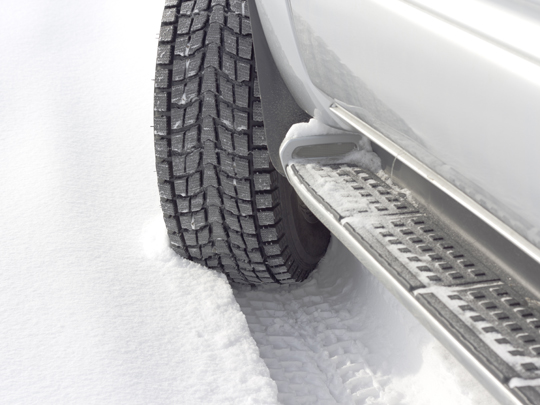
The tread on snow tires allows the tire to cut through the snow and ice in order to grip the road better. Because the tread is so important, you need to monitor your snow tires to make sure that they are still capable of doing their job.

Here are a few things to look for.

Depth of the tread: As your snow tires continue to wear, the depth of the tread begins to decrease. It is a commonly accepted notion that once you are left with 2/32 inches of remaining tread, it is time to replace the tires. In order to comply with federal regulations, tire manufacturers include a marking on the tire that become visible when the tread has worn down to dangerous levels.

Luckily for snow tire owners, these tires come with deeper treads to begin with. You should think about replacing them at 6/32 inches in order to keep them effective in snow and ice.

Tire and tread compound: Snow tires are created from a more pliable rubber than all-season tires. This is because the tires will be rolling over snow and jagged ice. Tires that are marketed as snow tires should have this quality, but it is important for you to investigate. You do not want to be sold an all-season tire from a dealer that is playing it off as a snow tire.

Tread design: The tread on snow tires have a specific design that allows them to cut through the snow and ice and grip the road. This is another distinguishing difference from all-season tires. While the design of tread on snow tires may differ, they will always be different from all-season tires.

Always Be Cautious In The Snow

As you probably can tell, equipping your vehicle with snow tires is essential. You need the tread to handle your vehicle safely. To find someone that can install these for you, visit TalkLocal. We make finding service professionals of all industries incredibly easy.