Archive for the ‘services’ Category


How Do I Know When to Replace Shocks?

Tuesday, August 27th, 2013

How Do I Know When to Replace Shocks? - Auto Repair

Leaky and Damaged Shocks

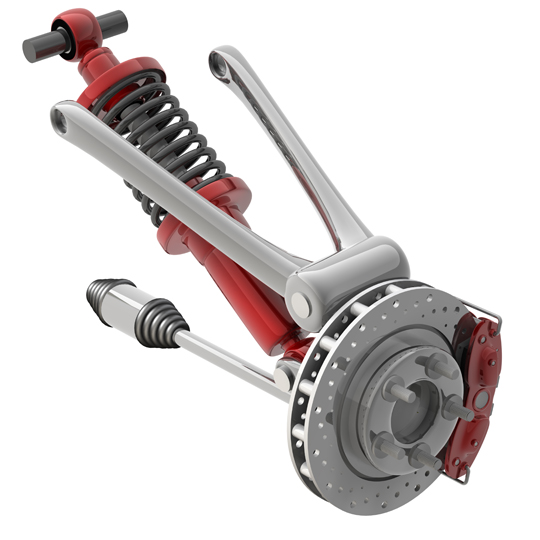
Knowing when to replace shocks is important if you want to keep your car in good shape. Replacing shocks is needed if your current shocks are damaged and leaking. You also need to replace your shocks if they are worn out from use. Unlike squeaky brakes, car shocks are more complicated to replace, and you definitely need professional help. You can tell if there is leakage if there is oily wetness on the exterior of the shocks or struts. Additionally, you can tell if there is damage when you can see that the mount is broken or the housing is dented.

Shocks that are Not Suitable

In some cases, the original shocks are not leaky, damaged, or worn out, but simply that they are not adequate for the demands of your car. In this instance, you need to replace your current shocks with more rigid ones. If the problem is the car oil; you also need to replace this too.

Unlike filters or plugs, shocks do not have a specific mileage needed before they can be replaced. However, knowing when to replace shocks after a certain mileage is reached is important, too. Most shocks need to be replaced after 30,000 to 40,000 miles, but the mileage for your car will vary greatly.

Pinpointing the exact time that shocks need to be replaced is sometimes hard, because by the time you realize that they need to be changed, it is usually way past the time that they actually need to be. The best way to consider when to replace shocks is by observing the ride of your car. If your car bounces excessively after a hump in the road, then your car’s shocks need to be replaced.

Finding a Professional

Are you having a hard time looking for a professional to evaluate your car’s shocks? TalkLocal can help you locate a professional near you. Give us a call today and feel the difference being in the hands of a professional makes.


How Does Yoga Help You Lose Weight?

Tuesday, August 27th, 2013

How Does Yoga Help You Lose Weight? - Personal Trainers

Mind and Body Relaxation

Yoga is widely known to reduce stress. Did you know that stress is a big contributor to weight gain? By relaxing your mind and body, you are ensuring that you will be free from stress. Another thing that being stress-free can do is to help you stop emotional eating, which is the reason why a lot of people are overweight. During the stretching exercises in yoga, you can relax both your mind and your body.

Body Detoxification

When you are overweight, it also means that your body is high in toxicity. How does yoga help you lose weight? Yoga detoxifies your body through breathing exercises, which are important in detoxification. Also, yoga twists are specific yoga poses that help in detoxification.

Yoga also tones the inner organs, making them work better. Inner organs involved in detoxification, such as the kidneys and the liver, will work better if they are in good shape. Practicing yoga will even help you become lean.

Emotional Relief

While doing yoga, you can help yourself release emotional tension. By simply relaxing, you can overcome the emotions involved in being overweight, such as emotional eating and low self-esteem. A lot of people fall into the trap of overeating and emotional eating. This is not due to the fact that they are hungry, but due to the boredom and loneliness they are feeling. More often than not, people use food to relieve emotional stress. When bored or feeling bad, a lot of people resort to eating to overcome their emotions. Yoga reduces this by making you feel more confident about yourself and helping you release your emotions.

Looking For a Personal Trainer?

TalkLocal can help you locate a professional near you. Give us a call today, and let us help you achieve the body that you have been dreaming of.

How to Clean Limestone Fireplace

Tuesday, August 27th, 2013

How to Clean Limestone Fireplace - Maid Services

A fireplace is a central point in any house, which not only keeps you warm in chilly weather, but also attracts attention through its aesthetic qualities. If you have a limestone fireplace, you are probably proud of its appearance and want to preserve it as long as possible. For that, you need to clean it regularly and protect it from possible damage. The following tips should make this easier for you.

Use the Right Cleaning Methods to Clean Limestone Fireplace

You can enjoy your limestone fireplace for a long time if you remember that limestone is a soft, natural rock that requires particular care. Its porous structure exposes it to various hazards, such as easy staining and scratching.

How Can You Keep Your Limestone Fireplace Clean and in Good Condition?

– Use soft cloths, preferably cotton, to clean the dust on your limestone fireplace.

– Don’t rub its surface with abrasive cleaning products, or you’ll scratch it and destroy its texture. Use liquid soap in a very low concentration. Make soft, circular motions when cleaning the surface of your limestone fireplace. Don’t apply pressure and don’t rub it forcefully or you might scratch it.

– Avoid sprays or wax, as they can produce discoloration and stains.

– This porous material absorbs water easily, that’s why it’s not advisable to place a flower vase on your limestone fireplace, as it will create spots on it that won’t come off when attempting to clean them.

– Refrain from placing objects, especially sharp or rough-edged items, directly on the mantel of your fireplace, as it can scratch easily.

How Can You Protect Your Clean Limestone Fireplace?

The simplest way to protect your fireplace is to have it sealed. This is very effective, especially if the fireplace is new. Sealants create a protection layer, preventing water and other liquids from penetrating through the limestone while at the same time protecting it from scratches or stains. Sealing your fireplace is a cost-effective solution that will preserve the beauty of your piece for years to come. For better results, it is advisable to apply two layers of sealant.

Additional Help

If you don’t have time to clean your limestone fireplace yourself or if you feel it’s safer to let a cleaning professional take care of it, TalkLocal can find you reliable maid services in the area, in no time.

What You Need to Know About Chimney Flue Repair

Tuesday, August 27th, 2013

What You Need to Know About Chimney Flue Repair - Handyman

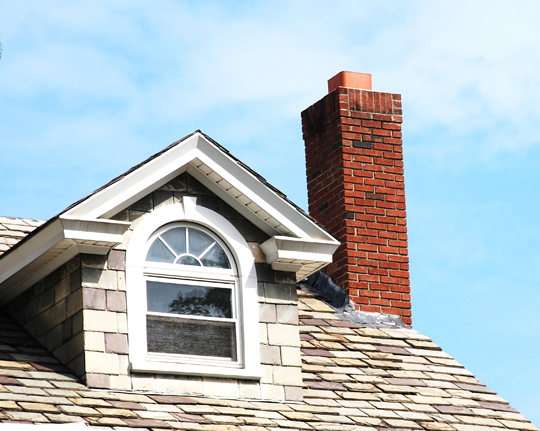
The chimney is one of those unassuming, but extremely important parts of the house. Nobody notices the chimney except in two circumstances: during the holiday season when kids are expecting Santa to come through the chimney and when the chimney doesn’t work properly. Chimney flue repair and inspection are a must, because your family’s safety is at stake. Annual inspections are recommended, and if you notice any signs that tell you something is wrong, such as the possible smell of toxic gases, act immediately.

There are two ways to approach your chimney flue repair: You can do it yourself if you are familiar with such tasks, or ask for qualified help. If you decide to do it yourself, it is important to be very confident about the task, as fixing the chimney flue is essential. Your health and safety depend on it.

What Problems Can a Broken Chimney Flue Cause?

Besides safety and health concerns, a damaged chimney flue prevents your heating system from functioning properly and can lead to energy loss. By postponing a chimney flue repair job, you not only put yourself in danger, but also lose money.

What Does a Chimney Flue Repair Involve?

First of all, you need to clean the chimney flue to see exactly what is wrong. During this process, you will have to remove soot and debris and see whether there is a blockage or the bricks have been displaced. If the chimney flue is seriously damaged and you need to rebuild it completely, you might think twice before doing it by yourself.

After cleaning the chimney flue, remove the exterior bricks if they are loose or broken. Work carefully while on the roof. When you’re done, it’s time to replace old bricks with new ones. Try to find similar bricks to match the rest of the chimney. Use mortar to fix the bricks tightly and when the brickwork is ready, waterproof the chimney with caulking. This will prevent water from penetrating it and gas from finding a way out through cracks. The last stage of your chimney flue repair is finishing. Check for mortar chips and apply some more caulk to reinforce it.

Additional Help

Chimney repair is a serious job, and if you’re not experienced in home improvement projects of this kind, you might want to find a qualified professional to do it for you. TalkLocal can connect you with contractors and handymen specializing in chimney repairs in minutes.

Door Knob Latch Stuck

Tuesday, August 27th, 2013

Door Knob Latch Stuck - Locksmiths

Numerous homeowners who understand the basic lock-and-key mechanism choose to handle common, simple locksmith problems on their own. Armed with a lot of patience and the right set of tools, they open doors, install locks, and try to replace defective components. But do you have what it takes to handle a door knob latch stuck type of emergency situation in record time, without compromising the whole system?

How to solve your problem fast

A door latch can stop functioning properly for numerous reasons, including sudden atmospheric changes. If you are dealing with this problem, stay calm and follow these 4 simple steps to obtain the desirable results in record time.

1)    Try to jiggle your door

If you find your door knob latch stuck inside your door’s strike hole, try to jiggle the door a bit, in order to unlock it fast without relying on any tools or special products.

2)    Remove the door knob and clean your latch system

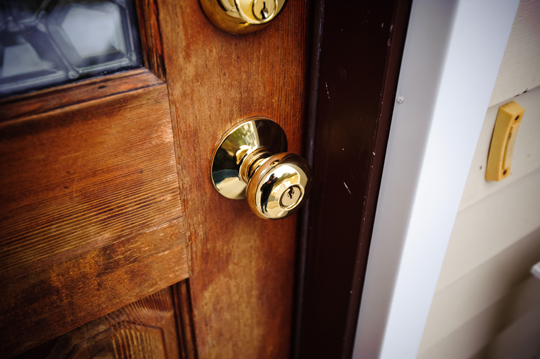
Here’s another helpful tip: Remove your door knob and take a closer look at the door latch mechanism. Its functionality could be compromised by a significant amount of dirt or other impurities. Clean it using water, let it dry, and then reinstall it properly.

3)    Buy and apply a first-class lubricant

If the problem persists, follow a different approach: Purchase and apply high-quality, silicon- or petroleum-based lubricant, perfect for this kind of job. Some homeowners choose to utilize WD-40, while others rely on vegetable oil to solve their problem. Before applying the substance, it is advisable to contact a skilled locksmith in your area and ask for his opinion on this matter. Afterward, carefully lubricate all of the components of your locking system. This should be the end of your “door knob latch stuck” problem.

4)    Simply remove and replace your door knob latch

If high-quality lubricant didn’t do the trick, this probably means that you should contact the best locksmith in your area and ask him or her to replace your door knob latch.

Find the right locksmith

You could always choose to conduct a DIY project, buy the new door knob yourself from almost any hardware store, and install it using a screwdriver. However, in case you would rather opt for professional services guaranteeing spectacular, long-term results, count on TalkLocal, your primary source of information to find the most reputable locksmith experts who are just one call away. Always solve your locksmith problems in a timely manner to avoid significant security threats that could disrupt your balance and put your safety on the line.

Malware Infection Removal

Monday, August 26th, 2013

Malware Infection Removal - Computer Repair

Once installed on your computer, malware can defend itself. This means that malware can hide itself from being detected by antivirus programs installed on your computer or even attempt to damage any security programs you have.

With that being said, it is advised that you try running a malware infection removal program. Virus scanners hosted on an online website are free from the reach of the virus infecting your computer, which means that it can provide an objective result.

Online scanners, however, may not detect all of the threats on your computer. For a better result, it is generally advised to try multiple reputable scanners and use the methods listed below.

Run Anti-Virus Software in Safe Mode

The Safe Mode is a mode of computer operation that boots up only the core components required for the computer to function. That means that any downloaded programs in your computer will have no effect, since they are not put into operation. The safe mode is generally used to remove or undo poorly configured software that might have messed up the operating system or to remove viruses infecting your computer.

To boot up your computer using the Safe Mode and run a scan, follow these steps.

1. During the computer bootup, enter the Safe Mode by pressing the F8 Key.

2. As the computer starts up, select the option “Safe Mode With Networking”.

3. Successfully boot into Safe Mode.

4. Run another scan using your anti-virus scanners once you are logged into the system.

Running a scan while in Safe Mode provides an objective result of the scan, much like the online scanners. Some existing anti-virus programs already have a setting to run a scan during bootup built into their own system — AVAST is a popular example.

So What If a Virus Has Been Detected?

Regarding computer security, it’s always better to be safe then sorry. Consider changing your passwords once a threat has been identified. It’s also important to prevent threats from happening in the future – download and run highly maintained anti-virus programs and avoid downloading suspicious files.

If there is a bigger problem that requires the help of a professional, TalkLocal can connect you with the right local expert to fix your issue. You’ll be on the phone with the right professional in just minutes.

What is a Roof Valley?

Monday, August 26th, 2013

What is a Roof Valley? - Roofers

If you are planning to take up a home improvement task or doing your own roofing this season, you may need an answer to the question, what is a roof valley? A roof valley essentially is the joint where two slopes of a roof meet. This is the place where rainwater collects and flows down. Proper installation and waterproofing of a roof valley are very important to make sure water does not enter the roof.

There are essentially two types of roof valleys: open valleys and closed valleys. In the case of an open valley, a trough is created with a waterproof material along the valley. This lets all of the water drain down. In the case of a closed valley, shingles are applied all over the valley and the water simply runs over them naturally. While both methods have been almost equally effective, the closed valley is the preferred style these days because of the high efficiency of ice/water shield waterproofing material and also the larger aesthetic appeal.

Installing a Roof Valley

1. To successfully install a roof valley, first of all, carefully line the valley with an ice and water shield and nail it in place. It is better to have someone help with the right positioning of the shield.

2. Once done, take the metal flashing, place it in the center appropriately and start nailing that in place, too, after carefully pressing it down to stick to the shielding.

3. Use metal flashing strips no more than 10 feet long and make sure the upper one overlaps the lower one by at least 6 inches. This will ensure that no water gets in. Once done, cover up the flashing with the help of roofing cement.

4. Next comes the roll roofing. It is best to apply two layers of roll roofing, the first one with the mineral side facing down and another layer with the mineral side facing up. Having done that successfully, carefully shingle the valley and seal the shingles with roofing cement. You are now good to go with a waterproof roof valley.

Need a Roofing Contractor?

Roof valley installations are best performed by trained professionals. So if you need a professional roofer, let us at TalkLocal help you choose the best one in your area for free and connect you directly to an expert professional who will take care of your roofing needs.

Types of Paint Brushes

Monday, August 26th, 2013

Types of Paint Brushes - Painters

Choosing the right types of paint brushes is crucial to getting the right finish when painting a wall or surface. People pay plenty of attention to the kind of paint they choose, but very little attention is paid to the kind of brush used. Good quality brushes apply a thicker, smoother, more perfect, finished coat of paint, imparting a regal look to the painted surface. Choose the right brushes, and you will see how a simple paint job can transform your home or outdoors.

Different Types of Paint Brushes

The first and foremost way to classify types of paint brushes is by the bristles, which could be natural or synthetic. Depending on the type of paint you are applying, the choice of brushes will change. For instance, any brush could be used for oil-based paints, but if you are working with enamels or a topcoat, it’s advisable to use high-quality natural bristle brushes. Similarly, for latex coatings, you must use synthetic, preferably polyester brushes.

The size of brushes is also extremely important. You must use a size of brush appropriate to the kind of job you are doing. It is best to use a 4-inch wide flat brush for large surfaces, mostly exteriors. For corners and narrow places, use a 2-inch, tapered brush. A one-inch brush is great for molding and woodwork, while for precise and clean painting of window frames and trims, angled sash brushes are an absolute must-have.

What to Look for in Your Brush

Some of the crucial things a paint brush must possess are a good volume of bristles with the right flex. See to it that the bristles have split ends to give a finer finish and smooth results. The flex is crucial. A brush must spring back to its shape soon to consistently paint firm lines.

Bristles that are shorter toward the edges and longer in the center provide more control and better direction. Also, make sure to tug the bristles before you buy to check the quality. No more than two hairs should come out when you tug. If they do, that’s not one of the types of paint brushes you want to buy.

Get Professional Painting Help

If you need a professional paint job done, TalkLocal can help you find the best painters in town. Just let us know exactly what you need and we will be happy to connect you to the most suitable painter.

Types of Evergreen Shrubs

Monday, August 26th, 2013

Types of Evergreen Shrubs - Landscapers

Evergreen shrubs make your garden colorful and alive. These plants have a distinct look to them that will make them a great addition to your home. There are many types of evergreen shrubs, but we will discuss the most common and most colorful ones that will let you add variety to your garden. While they are smaller than espalier trees, many evergreen shrubs are known to produce flowers all year round, thus making them ideal as decorations.

Seven Types of Evergreen Shrubs

Winter heaths, or flowering stalwarts, are pretty shrubs that flower at the most unlikely of seasons. These plants live up to their name, and they flower in winter. They may even flower for half of the year if the conditions are ideal. Ideal conditions include nitrogen-rich soil and plenty of water.

Minuet laurels are plants with very colorful flowers. They are quite small, making them ideal for a small garden.

Blue Star Junipers are another type of evergreen shrub that are ideal for small gardens. These plants do not bloom, but they have blue needles that are quite attractive.

The next plants are Emerald and Gold Euonymus. They are so named because their leaves are emerald in the periphery but are gold in the center. They are quite beautiful plants that you can add to your garden.

Emerald Gaiety Euonymus are cousins of the emerald and gold, but instead, their leaves are green and white.

Moonshadow Euonymus plants are green and gold varieties of the euonymus plants. They are small and compact and make for a lovely ground cover.

Dwarf English Boxwoods are small plants that are attractive as the background for other evergreen shrubs.

Need Help With Your Landscaping?

If you are in need of a good landscaper but have trouble locating one in your area, then you can contact TalkLocal today and let us help you. We can find you a landscaper in your area in just minutes, for free!

How to Prepare for a Blackout

Monday, August 26th, 2013

How to Prepare for a Blackout - Electricians

Rolling blackouts usually happen during summer, when demand greatly outstrips supply. Prolonged power outages can also occur when electrical lines are knocked out during bad weather. Whether planned or not, don’t be caught off-guard when the electricity goes out for hours. Here are some tips on how to prepare for a blackout:

– Have a flashlight on hand in every room in your house. Make sure there are fresh batteries available, too. Better yet, consider getting a shake flashlight that works without batteries.

– Invest in emergency lights. There are many options for emergency lighting, including battery-operated lamps, rechargeable LED lamps, and solar lamps.

– Keep candles and matches on hand. However, always use them with caution. Never use candles if there’s a risk of a gas leak inside your home.

– If you rely on electricity for your water supply, make sure you have in stock at least a gallon of water safe for drinking for every person in your household.

– If you’re on any medication that needs cold storage, you must have an ice chest handy and a frozen ice pack ready in your freezer.

– Always keep your vehicle’s gas tank full or at least half full, because gas station pumps are powered by electricity.

– Post the emergency phone number for your electric utility provider where it can easily be seen in case you need to report the power outage.

Other Supplies to Prepare:

– Non-perishable food

– Can opener

– Portable battery-operated radio

– First-aid kit and a 7-day supply of medication

– Personal care and sanitation supplies

– Extra cash

– Copies of important documents

– Emergency contact information

Preserving Food

A big concern during a power outage is food spoilage. Here’s how to prepare for a blackout, specifically to preserve perishable food:

– Keep several coolers handy in your home. Styrofoam coolers are cheap and work well to protect perishables.

– Prepare a supply of extra ice in your freezer so you can quickly place them in one of the coolers to chill food.

– Know where to buy ice in your area. Food will keep longer if you surround it with ice inside the cooler or the freezer.

– Purchase a fast-response food thermometer. This thermometer can quickly and precisely check the internal temperature of perishable food like meat, which should be at 40 degrees or below in order to be safe for eating.

Find an Electrician Fast!

By knowing how to prepare for a blackout, you can stay safe in your home and be as comfortable as you can until the power comes back. If the power outage is due to a failure in your electrical system, use TalkLocal to find a local, professional electrician to fix the problem. Send us your request through our website, and we’ll send you qualified professionals that match your needs.